Kentukiana
KENTUKIANA 3: Teaching Spanish in a 'Kentuckian' Classroom
By Jorge Duro · December 30, 2023

Once the first week at school was behind me, both the second and the ones that followed were more positive and, above all, hopeful. The kids started behaving better, though I couldn't quite declare victory yet, for there would come extremely difficult and frustrating days, as in any job — only in this one the thing ‘wears you down’ a little more.
In short, I can say those first two months were exciting: the students tested me constantly, and I kept adjusting to their tests. I had to learn to deal with a large and motley crowd of students in terms of race, culture (North American, South American, African American, and Muslim), cognitive level, and even way of speaking — I had a harder time understanding them than the adults themselves.
The funny thing is that they saddled me with every level (3rd, 4th, 5th, and 6th grade), some 323 students divided into 18 groups, with ages ranging from 7 to 12 years old, 45-minute sessions, and an average of about 18 students per class. I should add that every one of them passes through my classroom just once a week, which is ‘the same as nothing at all’. That said, we can tease out the advantages this setup has, such as being able to repeat the same session for practically every grade, making some differentiation, of course, between the levels of the little ones and the big kids. But it also carries major disadvantages, like not being able to do proper follow-up with each group and student, which neither helps them consolidate what they have learned nor helps me evaluate them the way I should. This leads to a slow, low-quality learning process that guarantees neither the solid acquisition of a vocabulary, let alone the simplest grammar structures needed to pull off a brief conversation. It all comes down to seriously lowering the content and the criteria to be assessed — if I even get to assess at all. So tell me, your honors, how can a student learn properly, and how can I grade them fairly, if I only see them once a week, for a scant 45 minutes, and with a deficit in study habits and in attention that is hard to correct? Well, by reinventing yourself, friends, by racking your brain, pooling your skills and leaning on whatever we education professionals do best, which in my case, for example, is music and songs — theatrics, basically. Otherwise, what are we teachers here for — superheroes of education, classroom charmers, multifaceted actors? Unfortunately, nobody teaches you any of this but experience, so once again the key lies in learning to run the room effectively, what is known here by the classic term classroom management.
they saddled me with every level (3rd, 4th, 5th, and 6th grade), almost 300 students divided into 18 groups, with ages ranging between 7 and 12 years old, 45-minute sessions, and an average of about 16 students per class.
Well, by reinventing yourself, friends, by racking your brain, pooling your skills and leaning on whatever we education professionals do best, which in my case, for example, is music and songs — theatrics, basically.
I remember the day a certain lightbulb went off in my head and I invented the alphabet rap. I leaned on the beat provided by the Artiphon Orba, an interesting little sound synthesizer that Nick, the music teacher, gave me at the start of the school year, and together with the odd song like ‘Aprende el alfabeto y las vocales en español con BASHO & FRIENDS‘, I quickly won over the class, producing guaranteed success.
Then came new lessons and new songs, but I will save those for future posts, since they deserve to be treated with the care and attention that will show them off at their best.
As for the class schedule I was given, I even seemed to have gotten lucky, since handling three or four groups a day was well below American standards, which tipped the scales back a bit. In fact, I know of colleagues at schools in Texas putting in more hours than a clock and getting home around 6 or 7 in the evening — madness.
The school, then, had hired me because I fit their profile, and now I had to prove my worth. In my particular case I had landed at Newport Intermediate School, where, as a bit of trivia, it was the first time Spanish had ever been offered to its students, so it fell to me to inaugurate the trail, breaking ground like a mighty icebreaker, at a school whose library held no more than thirty-odd books in Spanish.

The challenge became double, triple, even multiple if you will, for it would not be enough just to teach the Hispanic language and culture; first I would have to ‘win them over‘, encourage them, get them hooked on learning a new language — one that, on top of everything, was being taught here for the very first time.
To top it off, the school could not provide me with a curriculum or a teaching program to guide me, so I felt a bit like Chuck Noland (Tom Hanks) in the movie Cast Away (trailer), who, lost and forgotten on a desert island, tries to survive with the help of his wits and sheer determination — feelings much like the ones I have identified with since the start of my journey through these ‘Kentuckian’ lands. But — well, I thought — the upside is that I would have carte blanche to start the school year however I pleased, and they could not demand great sacrifices of me or subject me to outside pressure — as does happen to many other teachers.
However, I did have to face a widespread ill that, both in Spain and here, is a common denominator and one that unfortunately keeps growing. I am talking about the lack of study habits and of attention caused mainly by the early and excessive use of the vast array of electronic devices that nowadays flood and grease the markets. In fact, at my school I do spot the occasional cell phone; although their use in class is strictly forbidden, students are allowed to bring them, so temptation is served — on a silver platter.
Another challenge, though of a more personal kind, was having to get used to a primary school (somewhere between Elementary and Middle School), when I had always dealt with secondary students.
As you can see, the school adventure promised to be ‘eventful‘ and full of challenges.
A few months after classes began, I was still hunting for methods and activities with which to win over a student body that was starting to slip away from me. Meanwhile my own spirits were sinking too, and the kids' behavior got worse. I entered a kind of loop in which every setback became one more reason to go back home in June. And so, seeing barely any progress in my students, I decided — as a lifeline — to start treating my classes as simple first encounters between student and language, where the most important thing would no longer be acquiring language proficiency, but other even more basic and primary values: learning to play, to work as a team, to speak in public, to complete tasks independently, to be creative, but above all and most importantly, learning how to behave.
Sometimes, with the toughest groups, just to keep them minimally attentive and busy with their work, I had no choice but to fall back on crafts or to negotiate with them and design some activity to play on Kahoot! or Blooket. These are online tools for creating multiple-choice quizzes that they love, and I use them as a hush-them-up pacifier — they never fail. Sometimes at the end of class, if they behave and do the activities, I even give them some ‘free time‘, which they use to open their Ipads or MacBooks and start blasting space invaders or listening on headphones to some of their favorite videos on Youtube (something that, up to a point, is forbidden at school, as are Tik Tok and Minecraft). Other students, however, prefer to use that free time to do or review the content I post for each lesson on Google Classroom; or I give them the option of practicing with Duolingo, a language-learning platform that leaves many of them hypnotized. And that is the crux of the matter: fascinating them with something that captivates them and works — and if it also helps them learn a little Spanish, I am more than sold. I will give these platforms and online resources a more detailed analysis in future posts, because they deserve it and there is plenty to say.
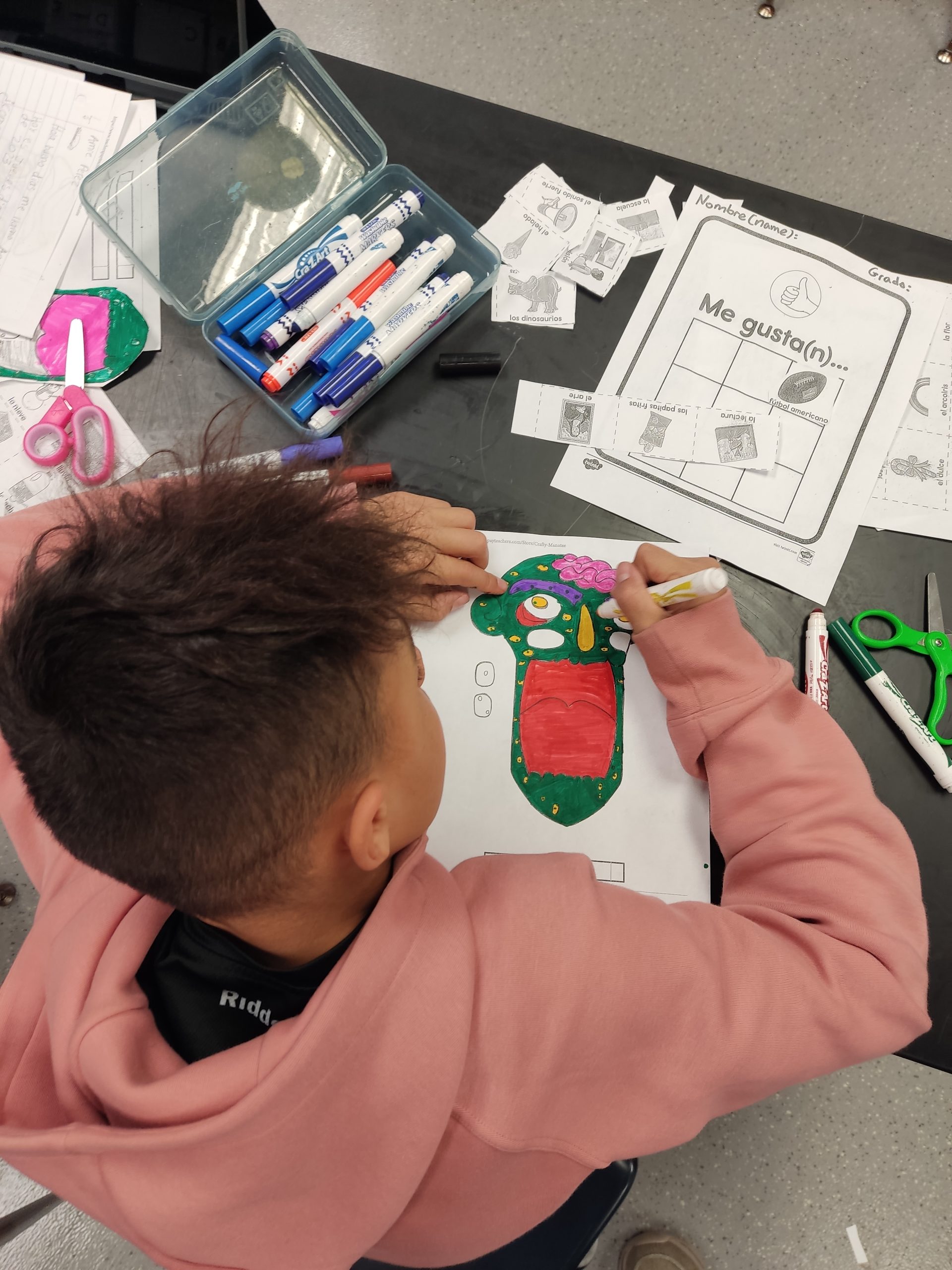
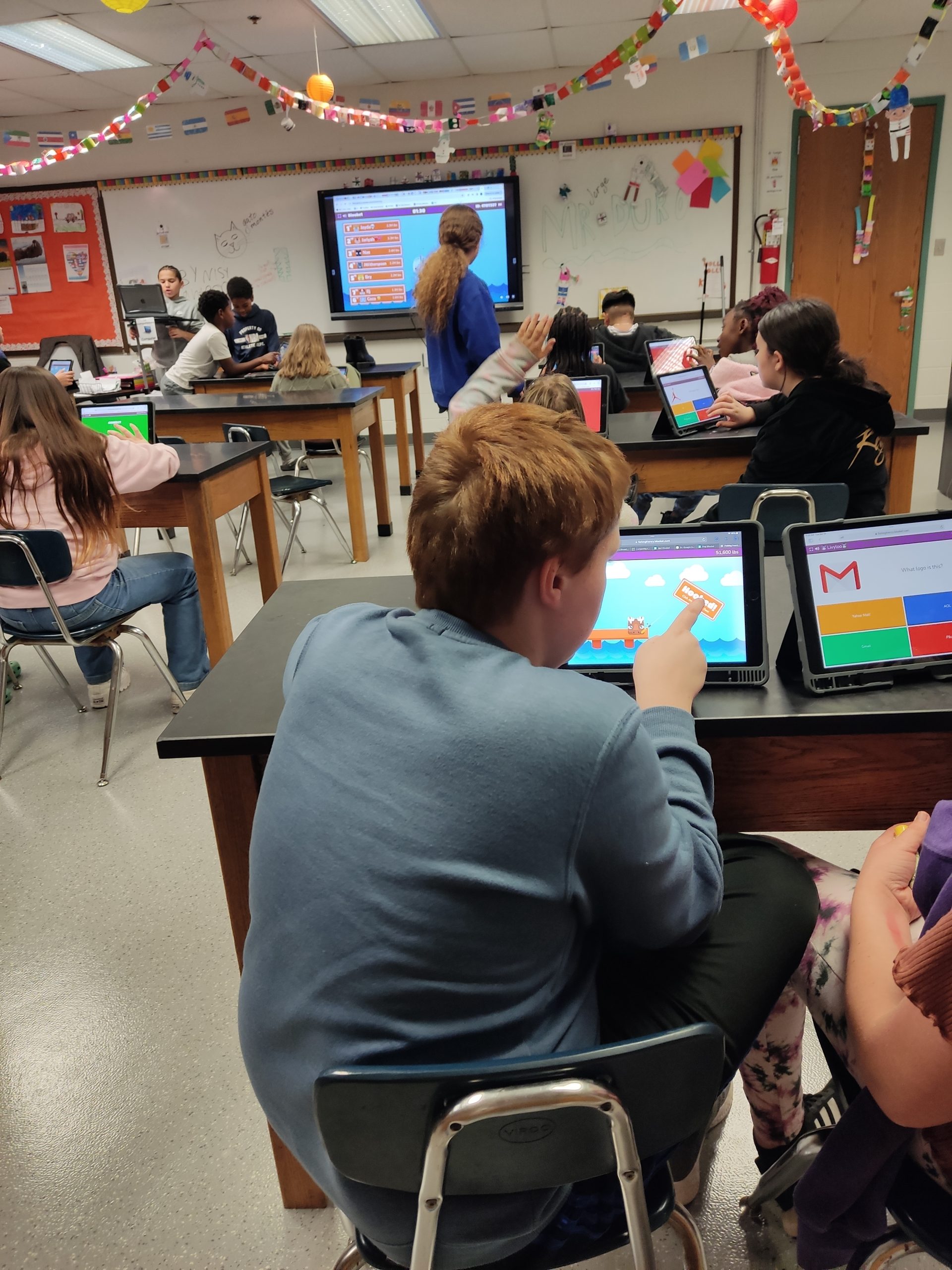
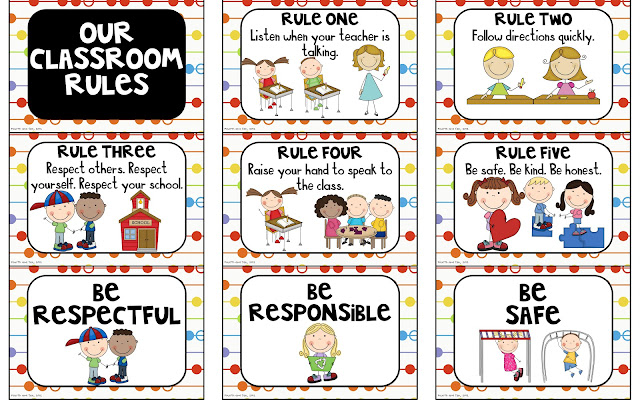
One of the things you must make very clear to them is that they have to meet certain expectations, or ground rules, for the class to work — the ones you, as the guide of the classroom, want upheld in it. You will need to repeat them as many times as it takes, but only that way will you secure better teaching, I assure you. In my case it is funny to think how ‘deadly’ it can get to have to repeat the list of expectations eighteen times a week, once per group — and several times over to the same group at that. Yet it is what works, because let us not forget that what they need as badly as food is discipline. They are kids, and their nature is disobedience, the breaking of every rule, so you have to know how to work those rules so that at least in your class there is a minimum of peace and order. If chaos starts to reign in your classroom, it will be hard to correct, and the longer you take to put the rules into practice, the worse. Nobody tells you these strategies; at best they get a passing mention in the ‘training curs‘, the training course all of us teachers took in August, but you do not internalize them until you start getting familiar with your own teaching environment. Along these lines, in the near future I will introduce you to the rap of the expectations I had to create so that learning them in the classroom would become a game rather than a litany of precepts.
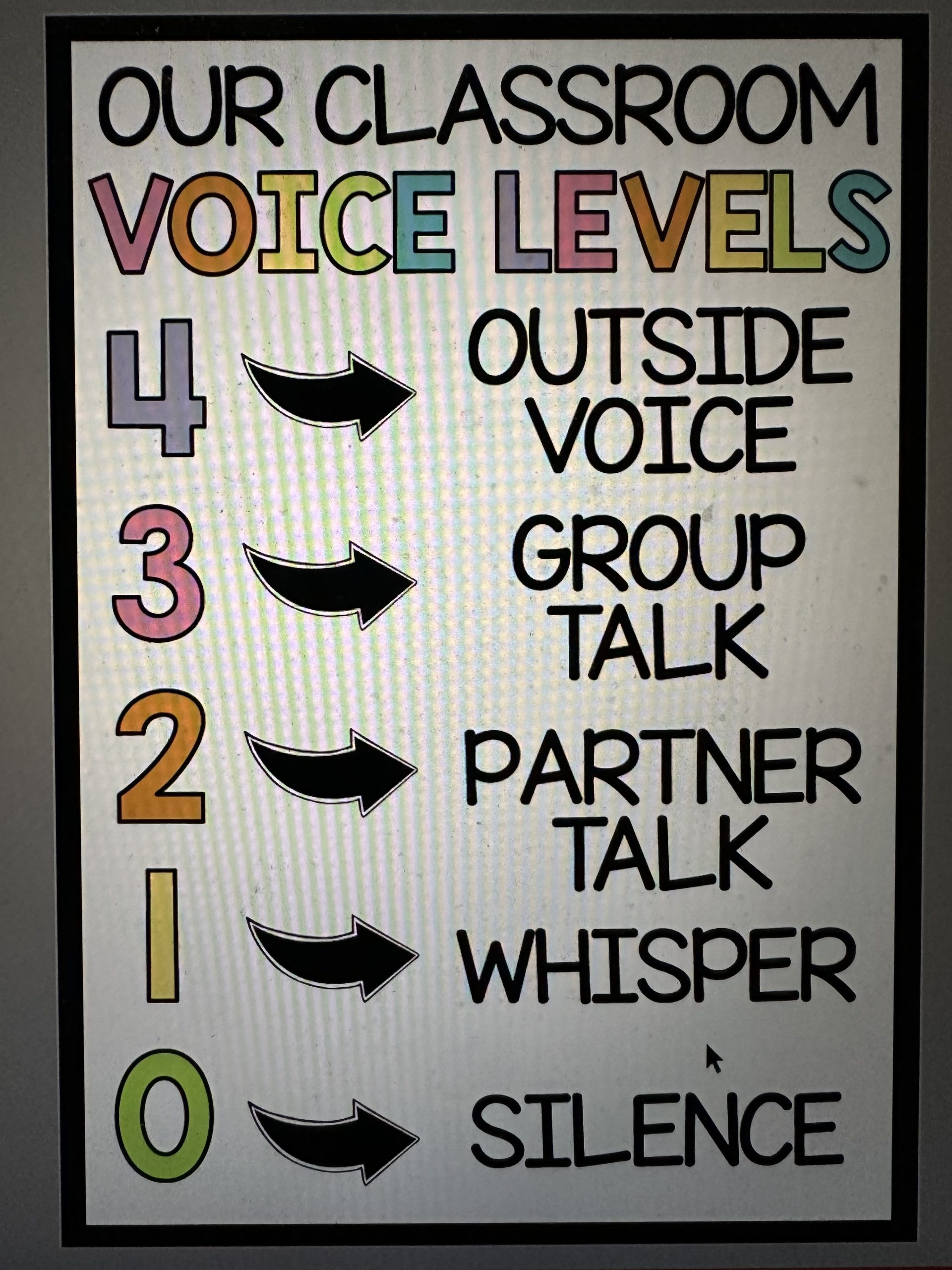
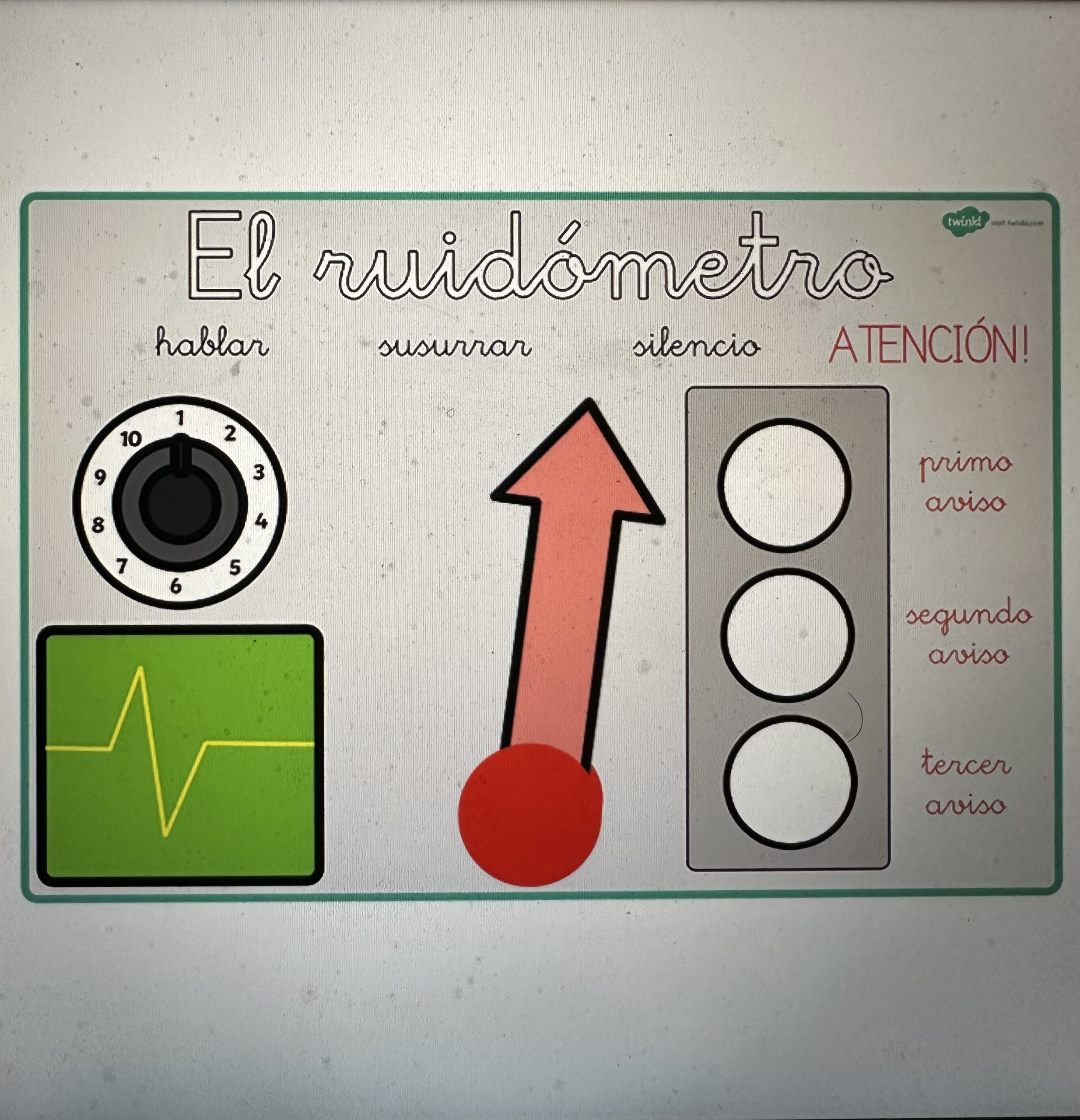
One of the expectations that gets the most attention is the ‘level voice‘ that both your students and you are expected to keep in the classroom. It is very important not to yell at them or stoop to their level, because the moment you yell, you have lost the battle. I know it is hard, especially when the class spins out of control, but you have to breathe, always keep calm, and use other methods like switching off and on the classroom lights, using a little horn, or any other invention that proves successful — anything to avoid the bare-throated holler of a produce vendor hawking ‘peaches’ at the Saturday-morning street market: -Come on, ladies, they're flying out of my haaands!-. Many of us Spaniards, by sheer national idiosyncrasy, hold the finest master's degree in raised voices and would surely win any shouting contest, but it is no plan to put that into practice inside a classroom.
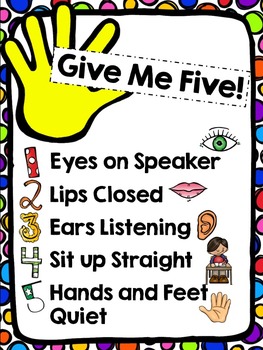
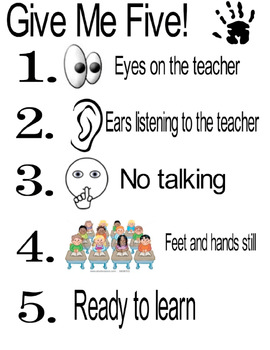
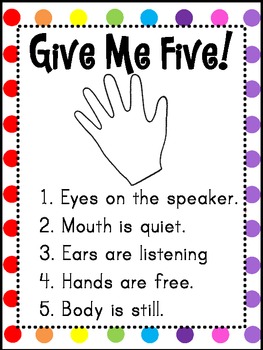
The blowups can sometimes be monumental, but no matter how mouthy or disobedient a student may be, they must never manage to drive us out of our wits — let us not give them that pleasure. So, once again, you have to know how to control yourself even in moments of maximum tension. Otherwise we start bleeding energy, calling them out every other second and shushing them with the typical ‘give me five‘, though I prefer the ‘Hola, hola!‘ to which they answer ‘Caracola!‘, or the Andalusian ‘Ole, ole!‘ and they reply ‘Caracoles!‘.
However, when a student gets tiresome and switches into ‘selective hearing’ mode, I usually play the wildcard of the phone call: at the first sign they start wearing me down, I telephone the school ‘monitors’, who are like friendly bouncers — when you require their services, they come and haul off whoever happens to be causing trouble at that moment; or I resort to threats and suggest that when class ends I will make the dreaded ‘call to the parents‘ — they hate that. But hey, the funny thing about all this is that these are lessons you pick up during your first weeks and months of life at the school, trials by fire you must pass through no matter what — and that are even worth experiencing.
Here is where the teacher's role as tamer of chaotic situations also comes into play, and with your magic wand you quickly become entertainer, police officer, singer of Christmas carols, psychologist, actor, clown, elf, and every other role one is capable of playing in order to captivate them so that they start to awaken an interest in whatever you want them to grasp or learn at that moment. The trick is to pull them into your movie and know how to steer them, little by little, toward the goal of your lesson.
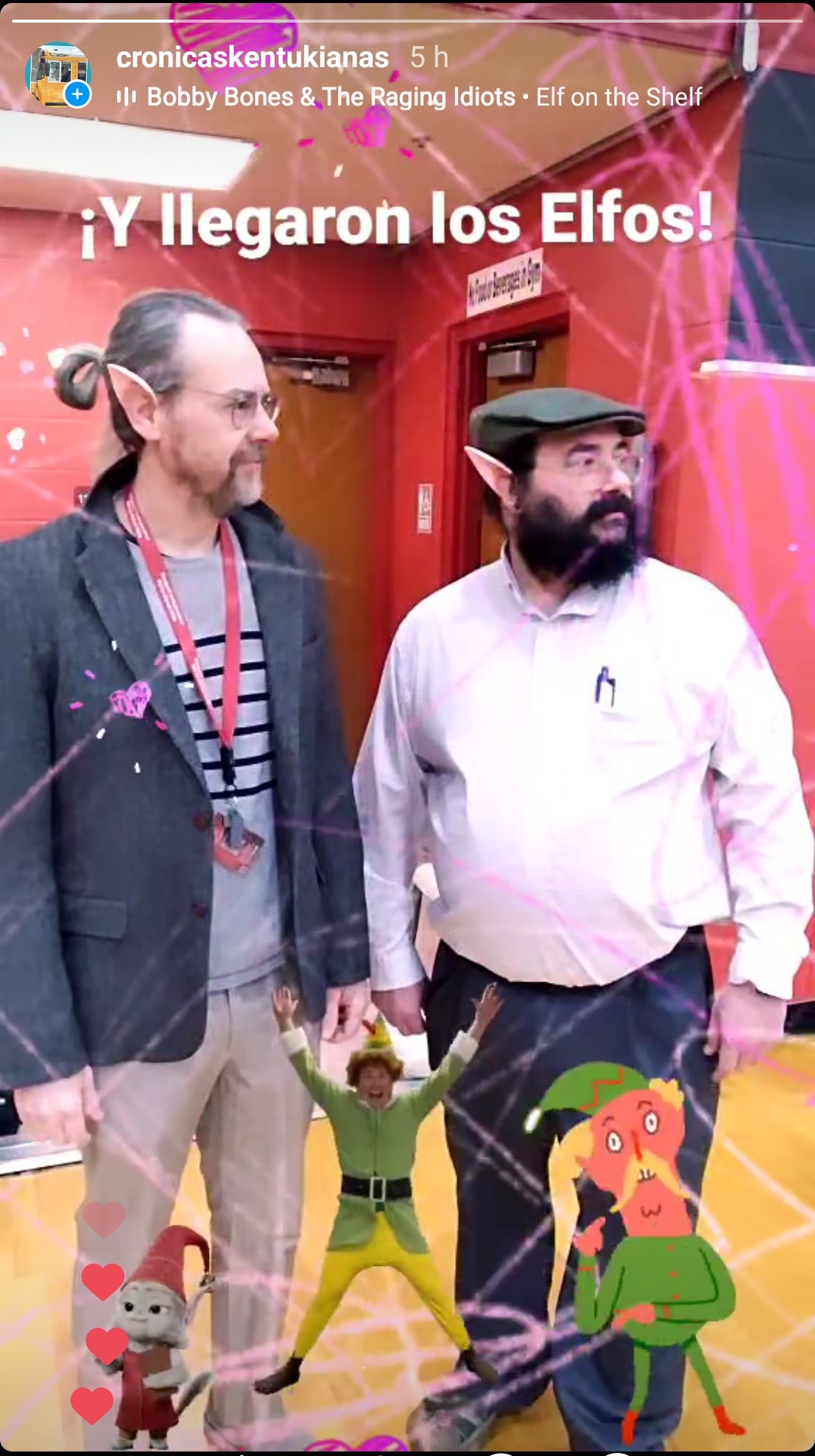
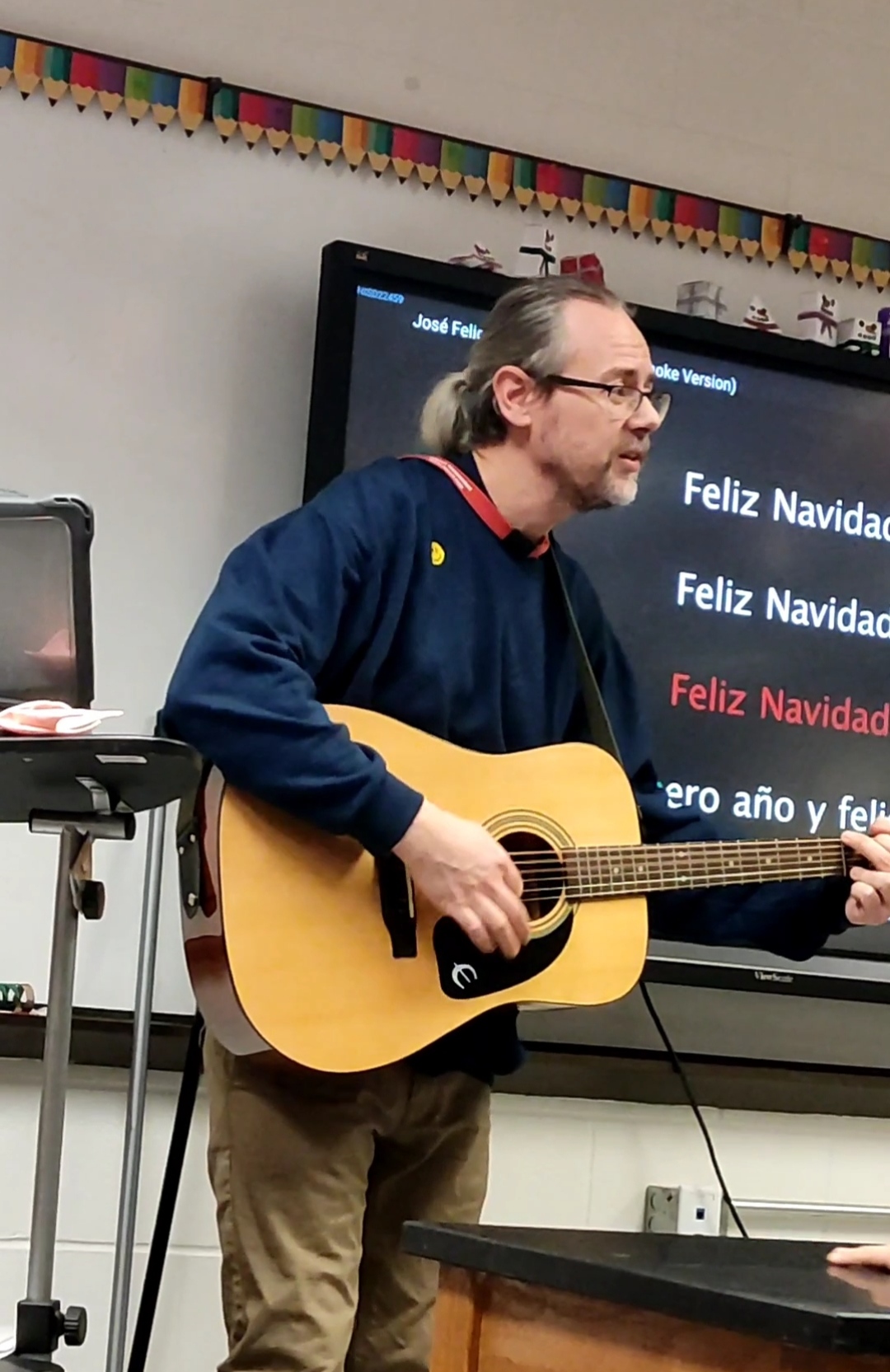
The bad part is that motivating the toughest nuts in the class takes big doses of energy, of patience, and plenty of tact. Which sometimes leaves you short of time to attend to those who truly need or want to learn, because if you fail to keep the rowdy student busy, he will stir things up on you all over again. Then you find yourself in class like a firefighter running from one side to the other, putting out fires and quelling shouts. That is why it is essential to select or design well those differentiated activities that respond successfully to the different profile types you will encounter in the classroom, for no two students learn at the same pace or like the same things.
it is essential to select or design well those differentiated activities that respond successfully to the different profile types
It takes time to get to know them, but there are so many of them and so little time available that either you accept it as part of the work that must be done, or you can slide into despair. Take, for example, the case of Alan, a student with a passion for dinosaurs: whenever I hand him an activity connected to that world, his expression changes as if the mighty Tyrannosaurus rex himself had suddenly appeared right there. This differentiated activity, which I design just for him, surprisingly turns out to be successful with other profile types as well — even ones for which I could not find a single motivating activity. That is how the magic wand works its magic again, and it can even surprise you yourself how thrilling education can turn out to be: making them happy with, at times, so little. And so, while some keep working on one type of exercise, others take charge of different activities, only tailored to their tastes and cognitive levels — and so on until every student is focused and working on their own thing, without getting bored; you can even work in teams. What is today's activity menu?
All this may sometimes sound too ideal, but it can be achieved. It is trial-and-error work that takes a lot of practice, perseverance, and control, but it is within reach. Sometimes, when something is not working in class, everything can turn exasperating and shut you down completely, but you must stay aware that these will only be isolated moments that must not dictate the course of your voyage through this experience. Then it becomes necessary to flip the switch and reinvent yourself again — continuously if need be — even reset yourself through meditation to return to balance and come to terms with the fact that maybe we will not manage to teach them much Spanish, but we can fight to make them better people, more respectful and more humane.
reset yourself through meditation to return to balance and come to terms with the fact that maybe we will not manage to teach them much Spanish, but we can fight to make them better people, more respectful and more humane.
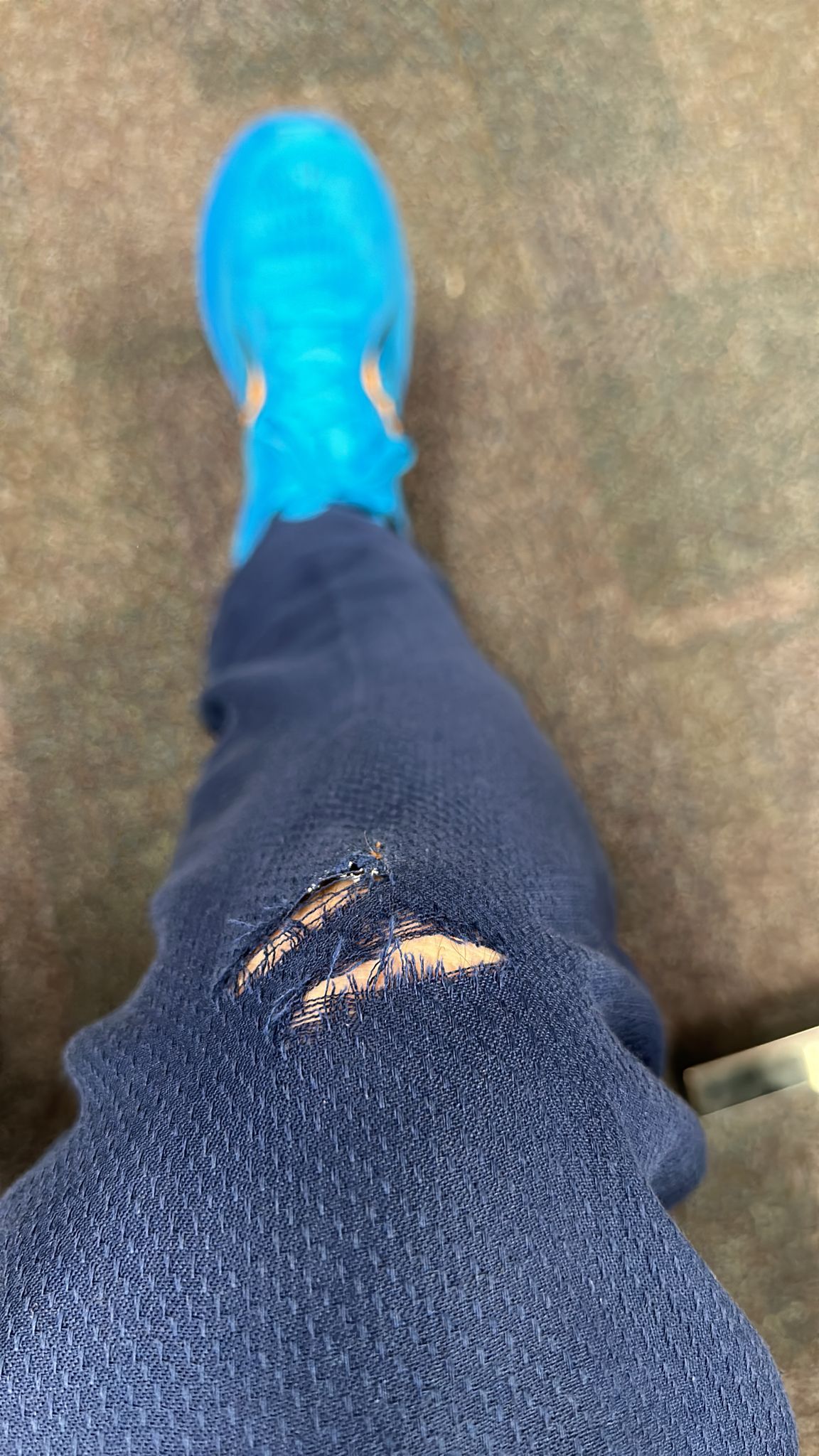
The moral: being a teacher is like a boxer's career — you learn by way of blows, defeats, and victories, only without the blood, in most cases anyway. On that note, and as an anecdote, one fine day I fell to my knees breaking up a fight in the middle of class, taking both my pants and my knee down with me. What happened was that in separating them I caught one of the kids in midair, like a ‘sack of potatoes‘, and as I walked off with him to get him away from ground zero, I do not know how, but I tripped over a chair leg — or maybe my own leg — and dropped like a stone with the kid in my arms. My right knee was the first to land, a blow that later turned into a bruise, then graduated to a welt, and finally settled into a light scrape. But no matter: ice pack and back to the trenches. Now I see them as war wounds from the school front, much like the ones we used to get playing in the schoolyards of our childhood.
On the other hand, I must say the school responded immediately, suspending for a few days the boy who started the aggression, and reimbursed me for the torn pants — one of my favorites, which, to add insult to injury, I happened to be wearing that very day — to the tune of 110 dollars. The fall did not turn out so badly for me after all.
These were just some of the garden-variety inconveniences that any visiting teacher is likely to run into upon arriving at their school. The good news is that you come out of all of it, and you learn from it.
you come out of all of it, and you learn from it.
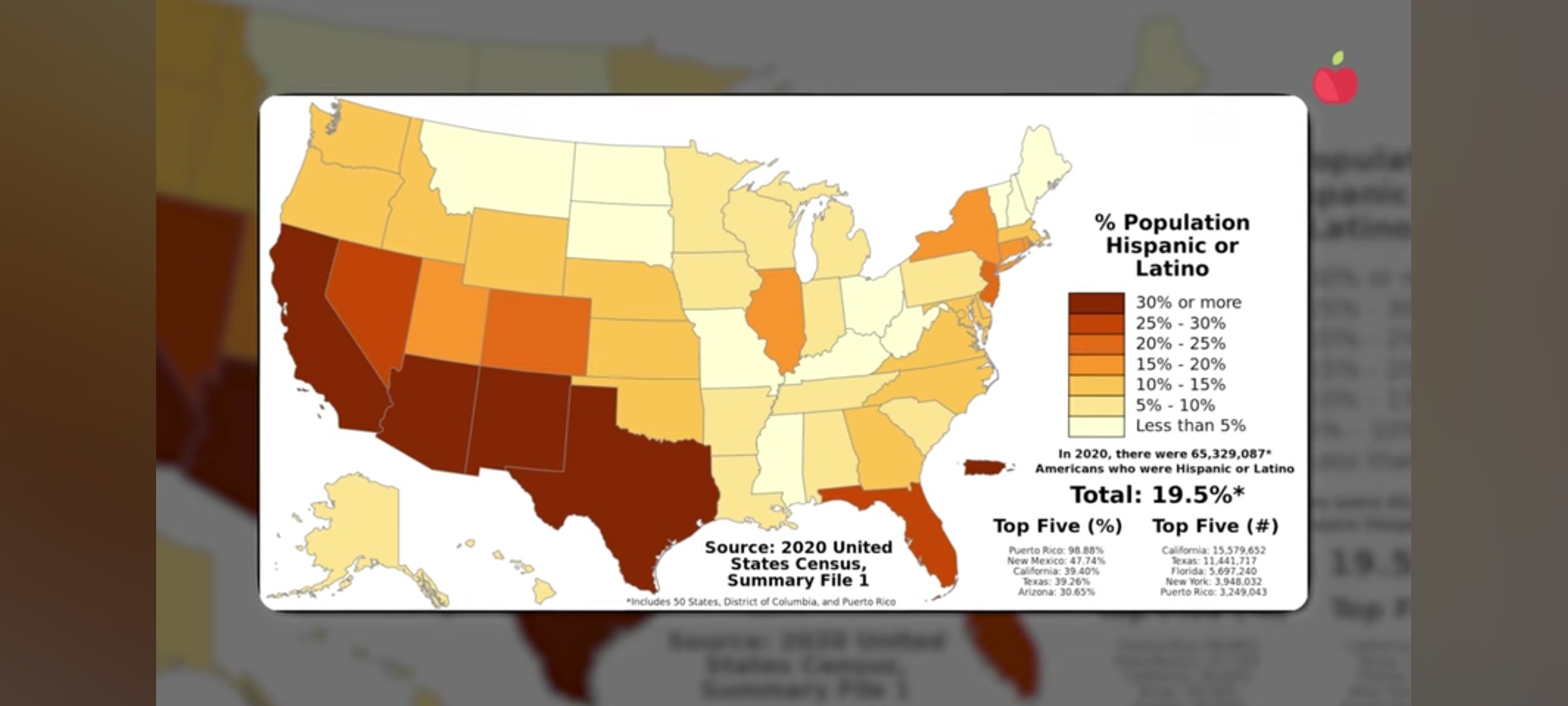
For all these reasons, it is vitally important to learn to design and use motivation strategies that help them see the advantages of learning Spanish. Here I play them a song called Join the celebration, which they usually love — it even gets them up and dancing. I use it to celebrate Hispanic Heritage Month, an important observance running from September 15 to October 15, so right there you have a whole month to prepare activities around the theme. Then I show them a video: Hispanic Heritage Month For Kids | History, Celebrations, Famous Figures, where I take advantage of a map of the country to name for them the states (Florida, Texas, New Mexico, Colorado, Arizona, California, Illinois, New Jersey, and New York itself) where the Hispanic and Latino population had the strongest presence in 2020, reaching levels of 20% to 30% and beyond. Now, in 2024, those percentages have surely gone up.
Thus, the need to learn Spanish is becoming an increasingly positive and enriching reality, not only for landing a job, but also for opening new relationships of friendship and trade in the new markets, contributing to the intellectual development of children and teenagers, and for getting to know the world of sports better — like soccer, so in fashion now with the signing of Messi — not to mention the vast world of Latin and Hispanic cooking, along with its many artistic and cultural expressions: music, film, reading, drawing, theater. So many are the advantages of learning a new language like Spanish that one must know how to sum them up and get them across to a student body short on ideas and drowsy from the invasion of so many electronic devices, apps, and other virtual contraptions.


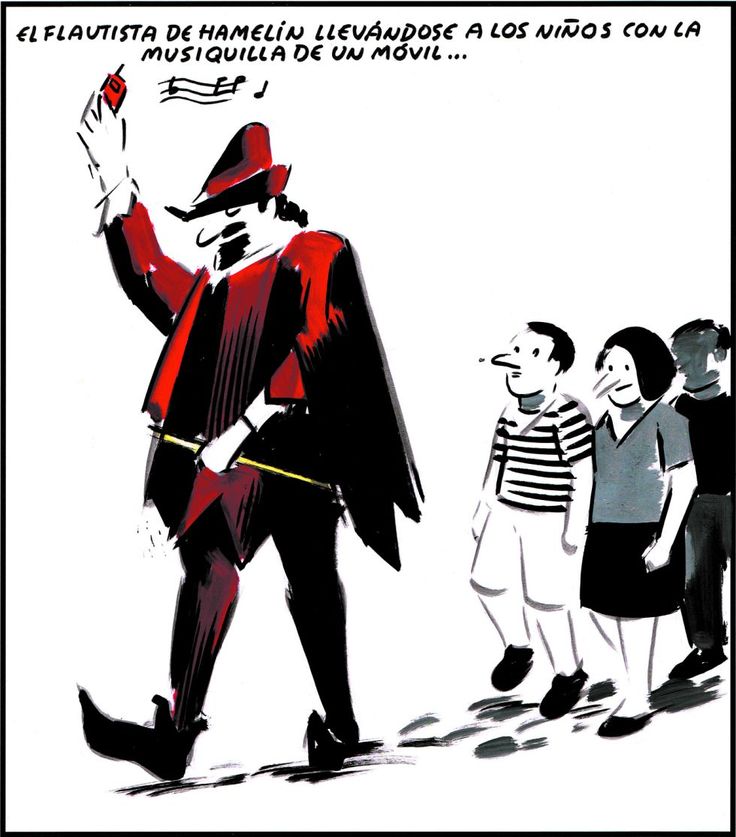
In short, we teachers have the mission of learning to connect with our pupils and awaken in them the taste for learning something — even if it is through ‘Castilian Spanish’. It can be achieved through a selective use of activities that are both motivating and fun, for they will be the bait that hooks them: games, songs, skits, videos, books, interdepartmental collaborations with the music, art, and physical education teachers and with the school library, online resources, and a whole array of resources we can offer and create to achieve that effective classroom management that can prove downright magical. Rather than teachers, they should call us ‘classroom wizards‘.
Rather than teachers, they should call us ‘classroom wizards‘.
Focusing now on the states of Kentucky, Ohio, and Illinois, the ones closest to my own reality, I can say that their schools are receiving students coming mainly from countries like Guatemala, Mexico, Ecuador, and Bolivia. Which foretells that Spanish will keep spreading through an ever greater number of schools.
Spanish will keep spreading through an ever greater number of schools.
At the same time, and no less important, a curious role I have had the pleasure of taking on has been serving as translator and bridge between the Latino families who do not yet understand English well and the American homeroom teachers of those Latino students. It happened on the afternoon report cards went out for the first quarter, when I moved from classroom to classroom helping one family and then another, praising both the good behavior and the success of their kids' grades. They were deeply gratifying moments in which families, students, and teachers all came away equally happy. So there must be many schools that, sooner or later, will have to face this need. I have even heard that there are already American teachers interested in learning our language, among other reasons because they must constantly interact with a growing number of Latino students who do not have a good command of English. Supply and demand, served.
a curious role I have had the pleasure of taking on has been serving as translator and bridge between the Latino families…, and the American homeroom teachers
We should not overlook the need the Latino community itself has to improve its level of Spanish, since it happens that at times they do not even practice it among themselves — when they are not mocking whoever pronounces it badly. At least that is what I observe at my school, where there is a sizable number of Guatemalan students who, when they talk among themselves in the cafeteria, either speak in ways I cannot understand or keep switching into English. In fact, some media outlets report that nearly 25% of Latinos neither pronounce Spanish well nor can hold even a minimal conversation in it. That is why some Latinos mock those who do not speak it well, breeding an even greater rejection of the native language of their countries, the Spanish of the Americas, which will be consigned to oblivion if we do not address it in the classroom.
the need the Latino community itself has to improve its level of Spanish, since it happens that at times they do not even practice it among themselves — when they are not mocking whoever pronounces it badly.
Finally, it is worth noting that at school there is also a striking linguistic phenomenon I would call special, one we should perhaps even respect, because language, let us remember, is always a living thing fed by its own speakers and therefore in constant change. I am referring to the ever more widespread ‘spanglish’, which for the linguist Ángel López García-Molins is a "dialect of Spanish" of a "psychological" kind, one to be understood as an "attitude of bilingual Hispanics in the United States." This idea is corroborated by the words of the Chicano educator and researcher Dr. José Medina, who states in a video on the Tik Tok platform that ‘spanglish‘ fosters "high levels of cognitive thinking" by engaging different parts "of the linguistic repertoire" of both languages. Therefore, as a philologist, I too lean toward the standardization of this curious linguistic phenomenon — only adding that whenever it is used, it would not hurt to know the corresponding Hispanic expression. This would help speakers distinguish between different situational contexts and thereby become more competent in their own language. For example, communicating in ‘spanglish’ in the United States would obviously not be the same as doing so in Mexico or Spain.
‘spanglish‘ fosters "high levels of cognitive thinking" by engaging different parts "of the linguistic repertoire" of both languages.
As we have seen, coming to the United States to teach Spanish gives you plenty to reflect on — and then some — about the curious phenomena our language exerts on, and receives from, a community of speakers as foreign as it is close at the same time. Likewise, addressing it in class becomes more than necessary in order to enrich and answer a need that native speakers of both languages require in order to coexist through better understanding. In the near future, some of them will already be able to call themselves ‘bilingual‘.
– Next installment (Saturday, January 6, 2024) – Kentukiana 4: The Limits of My Language (Part I).
Comments (25)
Clara
Vaya vivencia amigo!!! Cuando vuelvas, y creo que tardarás (jjjjjj…..), serás otro!!!
Mònica
¡Pero si todo eso yo ya lo hago aquí! Creo que estoy entrenadísima 😝. Gracias por compartir 😊
Patricia
Se buscan/necesitan profes polifacéticos/as. Gracias por compartir tanto las vivencias como la prosa.
Jorge Duro
Lo de tardar en llegar no lo sé, ya te lo diré Clara, pero otro seguro que seré. Vaya que si te cambia esto…
Jorge Duro
Cuando dices 'aquí' te refieres a España ¿verdad? Porque mi aquí es Kentucky. Bueno pues sigue entrenando para cuando te toque estar por 'aquí' XD
Jorge Duro
Pues aquí un servidor. Gracias a tí por leerme.
Amparo
¡Genial! Muy interesante el rap del abecedario, ¡jejeje! Yo al final he pedido Massachusetts, a ver dónde acabo 😅. ¡Feliz año, por cierto!
Jorge Duro
Amparo, te tocará donde el azar quiera llevarte. Yo he acabado en el norte de Kentacky y al final un@ acaba comprendiendo que quizá siempre las cosas suceden por algo… Respecto al «Rap del a-b-c-d-ario», lo tengo grabado, pero a ver si le dedico una entrada a las canciones y lo os lo comparto. Gracias.
Ana
Genial… literalmente genial!!!! Jejeje, pediremos Florida…, pero…. no sé porqué creo que acabaremos… en otro lugar…, o no…, who knows??? Un abrazoooo!!!
Jorge Duro
Literalmente gracias por tu comentario. Lo que sea que te toque bueno será, ya verás. En Florida mucha hispano y muy turístico, os sentiréis como en casa, jaja.
Aitziber
Hi! Como profesora de música me he sentido identificada en muchos de los pasajes que narras. Ser profesor se trata de algo más que una profesión, la responsabilidad de dejar tu impronta y abrir a las nuevas generaciones un mundo de posibilidades es una oportunidad que solo los docentes tenemos. ¡Aprovechémosla! ¡¡Mucho ánimo!!
Daniel
Hola Jorge. Acabo de leer tu blog. Lo primero, eres todo un ejemplo de perseverancia y paciencia. Lo segundo, se agradece un testimonio no edulcorado de lo que existe realmente. Keep it up!!!
Jorge Duro
Seguiré narrando mis vivencias y reflexiones hasta que se me acabe la tinta o tenga que regresar. Respecto a lo segundo, prefiero el café sin azúcar. Muchas gracias Daniel.
Eva
Gracias por compartir tu experiencia, y acercarnos un poquito al día a día de un PPVV. ¡¡¡Voy a por la crónica Kentukiana 4!!!
Jorge Duro
Gracias a ti por leerlas. La Kentukiana 4 trata sobre algunas anécdotas graciosas y no tan graciosas que sucedieron en clase, como el pan de cada día vamos.
Adriana
Hola Jorge. ¡Muchísimas gracias por los artículos! Me están ayudando mucho a conocer todo aquello mejor 🙂
Jorge Duro
Me alegra saber que te ayude ha desenmarañar un poco el camino. 🙂
Oriol
Enhorabuena de nuevo, Jorge. Pienso que con tus palabras queda bien reflejada la dureza de los primeros meses de la que todos hablan. Pero también tu amor por la profesión y por ayudar a tus alumnos como principal arma para superarlo. ¡Salud!
Jorge Duro
Ha sido muy duro el comienzo pero justo ahora, después de las navidades se empieza a respirar esa tranquilidad de la que también se habla. Aquí seguiré para confirmarlo. Gracias por tus palabras Oriol. ¡Saludos desde Kentucky y mucha salud!
Beez
Jorge and friends, This is one of the BEST collections of stories and realities in education. I can say after so many years in education - teaching anywhere, anything and to anyone can be the most difficult challenge in this life on earth. I love seeing the variety of ways that you share to reach the students where they are - especially with limited understanding of who they are or where they have come from…As lyrics from a song «we didn't start the fire»…. we must continually adapt to new circumstances—- always in the present moment - alert, aware and in control of our responses. Carry on soldier of education- we need you here! I love the elf attire sported by you and Nick!
Jorge Duro
PRIMERO TRADUZCO: Jorge y amigos, esta es una de las MEJORES colecciones de historias y realidades en educación. Puedo decir que, después de tantos años en la educación, enseñar en cualquier lugar, cualquier cosa y a cualquier persona puede ser el desafío más difícil en esta vida en la tierra. Me encanta ver la variedad de formas que compartes para llegar a los estudiantes allá donde se encuentren, especialmente con una comprensión limitada de quiénes son o de dónde vienen… Como letra de una canción «no iniciamos el fuego»…, debemos adaptarnos continuamente a nuevas circunstancias, siempre en el momento presente, alerta, conscientes y en control de nuestras respuestas. ¡Continúa 'soldado de la educación', te necesitamos aquí! ¡Me encanta el atuendo de elfo que lucís tú y Nick! SEGUNDO RESPONDO: Gracias por estas palabras tan infladas de ánimo y con sabor a victoria. Nuestra hazaña no es poca. Creo que somos como los camaleones y pulpos, metamorfoseándonos a cada instante según el país, el colegio, la clase, los alumnos que te toquen… Esto no estaba en ningún guión. (Thank you for these words so filled with spirit and flavored with victory. Our feat is not small. I think we are like chameleons and octopuses, metamorphosing at every moment depending on the country, the school, the class, the students you are assigned to… This was not in any script.)
Robespierre
Muy interesantes las historias y la idiosincrasia de los alumnos. ¡Mucho animo!
Jorge Duro
Por eso las escribo. Hay mucho que contar y mucho de lo que aprender. Gracias Robespierre por tu aportación.
Marta Justicia Leiva
¡¡Jorge!! Muchas gracias por compartir material e ideas. Estoy utilizando el vídeo del alfabeto con mis maravillosos alumnos de Spanish 1 en Beloit Memorial High School, Wisconsin. ¡¡Me rapean cada mañana!! ¡¡Es genial!! ¡¡Un fuerte abrazo!!
Jorge Duro
¡¡Ese vídeo es genial!! Tiene mucho encanto pues es una canción con mucho 'hook' (gancho), como digo yo. En mi clase también salen por la puerta cantándola. De ahí que luego creara otros raps de cosecha ya propia para crear otras actividades. La música da para mucho y les encanta. ¡Felicidades Marta!