Kentukiana
KENTUKIANA 5: 'The Limits of My Language' (Part II)
By Jorge Duro · January 13, 2024
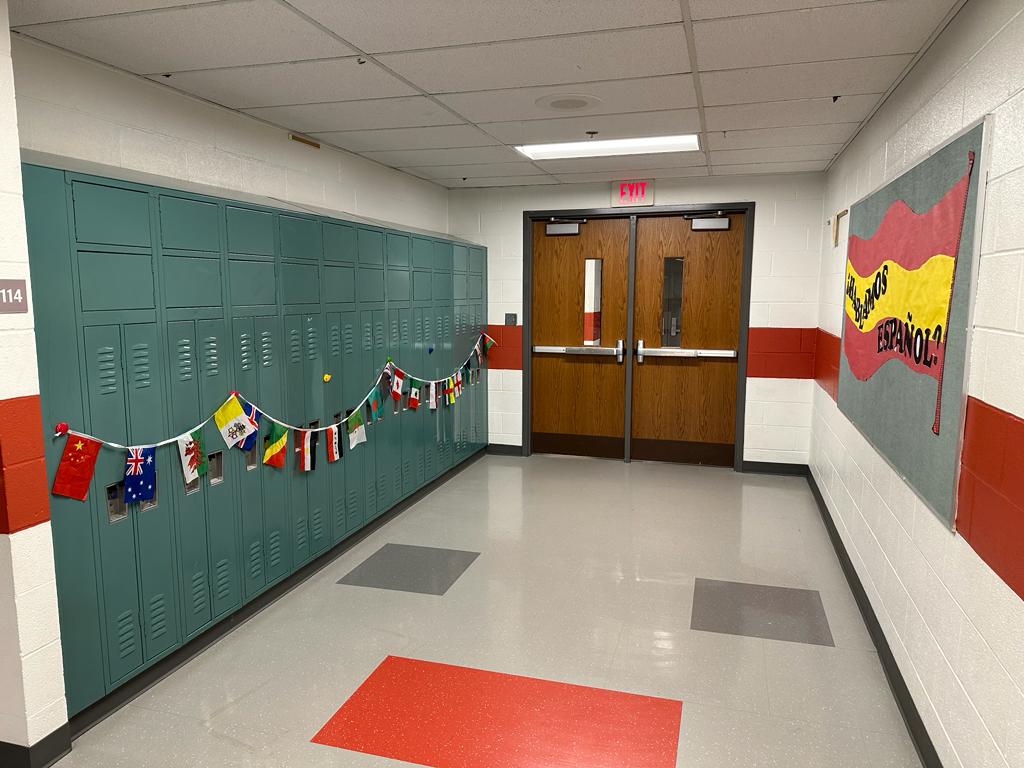
I definitely feel like an extraterrestrial. Surrounded by so many North American earthlings, what with inches, gallons, yards, miles and all the rest of their versions, I find myself as confused as lost Gurb wandering around Barcelona. I get that feeling in countless situations. One of the most singular ones comes when I take attendance and vainly attempt to pronounce names like Trevon (Truevon), Kalsey (Kelsi), Jayden (Yeiden), Ryleighn (Ruailin), Adbrey (Aebri), Ryne (Ruain), and if neither on the first, nor the second, nor the third try do I land on the right syllables, I launch ‘plan b‘ and go with last names, because the last thing I want is enemies.
I vainly attempt to pronounce names like Trevon (Truevon), Kalsey (Kelsi), Jayden (Yeiden), Ryleighn (Ruailin), Adbrey (Aebri), Ryne (Ruain)
- Audio of what Spanish sounds like to one of my students.
Sometimes it happens that I spot two faces that look very much alike and I swap their names. That way, the one who is Warren I call Daniel, and the one who is Daniel, Warren. Until one day one of them, a little annoyed, corners me and mutters through his teeth: -My name is not Daniel, I'm Warren!- and I think to myself: -How many more times is he going to have to remind me? Earth, swallow me whole!-.
Other times I dress up their names by sticking a miss or a mister in front, as appropriate, but even then I don't always get it right. They laugh and give me a poker face. The same one I give them when I hear them pronounce «mister Duro» (MIHS-tuhr DOO-roh). In fact, when they started calling me that in the very first weeks, I was slow to react and went around in a state of constant alert every time I heard a «mister…». Such is the ever so ‘particular’ and ‘distinctive’ way they have of pronouncing it, so I was the one who had to acquire the equally ‘particular’ and ‘distinctive’ skill of retraining and fine-tuning my ear.
They laugh and give me a poker face. The same one I give them
when I hear them pronounce «mister Duro» (MIHS-tuhr DOO-roh).
- Audio of North American students pronouncing «mister Duro» and other words in Spanish.
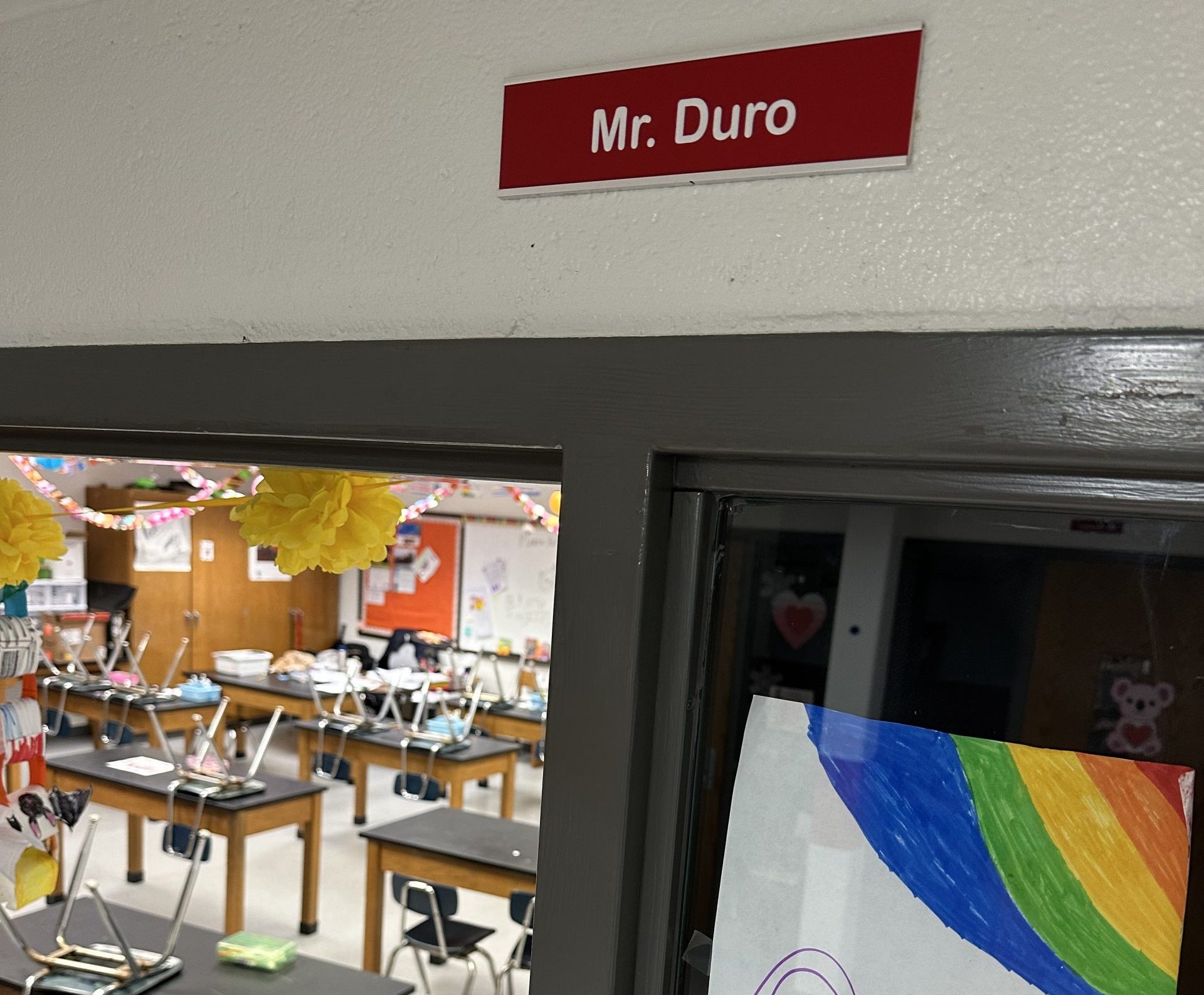
I should say that it is only inside my classroom that I feel fully licensed to correct the pronunciation of my name and my first surname, and to treat the most representative sounds of Spanish in a comical way, as we will see further on. After all, they are still melody, rhythm, music, as I discussed in the previous article (Kentukiana 4: ‘The Limits of My Language’ (Part I)).

Continuing with the special case of the sound ‘erre‘, or phoneme /rr/, I remember that in my Hispanic philology degree they taught it to us as a strong trilled consonant, unlike the soft /r/, which the English language never came to develop. It did, however, acquire that same soft tapped /r/, though in its own ‘Americo’ way, that is, the way they pronounce it: far more relaxed than ours in its manner and point of articulation in the mouth. To get the idea across in a very general way I resort to a bit of ‘playacting‘: standing in front of the students, I raise my arms high as if gripping an enormous handlebar shaped like a giant ‘u’ and, sitting on an imaginary Harley Davidson, I mime the kickstart and fire up the engine to the beat of a gruff, sputtering «BRrrrruuuummmm, brum, brum, brummm», as I open up the throttle and the ‘erre‘ roars thunderously, stampeding all over the place. Within seconds there they are, laughing and repeating the singular sound of this consonant like parrots, the whole thing looking more like a gathering of seized-up motorcycles than anything else. But at least there you have them, practicing the ‘erre’ like not even they themselves could ever have imagined, being taught to learn a language through play and fun.
- Audio of the typical sound of a Harley Davidson.
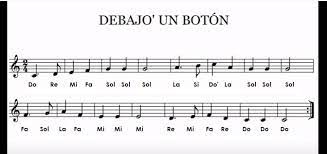
Then comes the perfect moment to park the bike and reach for the tongue twisters. I surprise them with the famous: «El peRRo de San Roque no tiene Rabo porque Ramón Rodríguez se lo ha Robado». For that I tried playing them songs like the one Rosa León recorded around that very refrain back in the 80s, together with other «children's songs» not lacking in spark and tradition, like ‘El burro enfermo‘, where the phenomenon of the ‘erre‘ gets worked once more, along with rhyme. Although when it comes to rhymes, even better is the song ‘/ Debajo un botón, ton, ton, / del señor Martín, tin, tin, / había un ratón, ton, ton, / ¡ay! que chiquitín, tin, tin /’. The result, once again, was the one their faces reflected: wide-open eyes, camouflaged laughter, vague murmurs. It must have been a more than musical shock to be regaled with such an extravagance. -Well, there you go! Deal with it- I thought; it can't all be songs about cats, reggaeton and Bad Bunny. How the bar has dropped…
- Audio of ‘Debajo un botón‘ (Rosa León).
- Audio of ‘El burro enfermo‘ (Rosa León).
Coming back to the curious way North Americans pronounce my first surname, I must admit that at the beginning it grated on me a little, but by now I listen to it with delight and admiration. It is curious to analyze how, in one language just as in the other, the same phoneme /r/ has given rise to such different articulations. If we look more closely at the phenomenon, they pronounce it in a much more relaxed way, more ‘American’ style or, rather, «ah-meh-ree-KHA-nah» style, pulling the tongue backward into a ‘u’ shape and making the sound with the part closest to the throat. Now imagine how it would sound, go ahead and try it and you'll see how good it looks on you: «How to pronounce the ‘erre’ in American English».
When teaching the colors, for example, they say «ne-GRUOH» for negro, «mah-RRUOHN» for marrón, «RRUOH-hoh» or «RROH-yoh» for rojo, «RRUOH-sah» for rosa, or «ah-mah-REE-yoh» for amarillo. So I stop the class, climb back onto the invisible Harley and tell them: –One moment, one moment. It’s not mah-RRUOHN! It’s ma-RRRRRRÓN. Oh my Gosshh (God). Imagine a Harley Davidson doing RrRrRruummm!–.
As for my own pronunciation of the American ‘r‘, I believe I have reached quite a high achievement with hardly any effort at all. In fact, it is as if my mouth came with it factory-installed and I could pronounce it automatically. The reason lies in the many years that, like so many of us, I spent listening to the one-of-a-kind jokes of the eternal Chiquito de la Calzada, who with his «Al ata-QUEERR», «Fistro peca-DOORR», «Grijande-MOORE», «Diode-NAARRLL», immortalized his humor, his genius and his figure. It would be interesting, then, to carry out a phonetic-phonological study of his most representative sound features, but that is not the goal at hand.
«Al ata-QUEERR», «Fistro peca-DOORR», «Grijande-MOORE»,
«Diode-NAARRLL» immortalized his humor, his genius and his figure.
There is, however, a sound kinship between the peculiar pronunciation of his palatalized ‘rr’, the one in «no pue-DOORL», and the American ‘r’ in «dOOR», which sound very much alike. Chiquito's is produced by lifting the tip of the tongue toward the roof of the palate, thereby softening its vibration and turning it into a far more palatal sound, much closer to the North American ‘r’. And yet, articulating it in ‘Chiquito style‘, hand on hip, with his wobbly little steps backward and forward, his tremors, his little noises — in a word: his ‘playacting’ — is what gave it a charm so genuine and unique that it kept more than half the country hooked for decades: –NOORLL!-.
Moving on to the patina of colors, I found it more than striking — though I already feared it would happen — to see mouths like donuts and eyes like saucers the first time I pronounced the word ‘negro‘ simply to refer to the color black. It turns out that both the pronunciation and the spelling of that word in Spanish are fairly close to the sound of the English terms ‘nigro‘ or ‘nigger‘, words forbidden within the school's walls, their pronunciation in public utterly discouraged. Well then, the moment I said the word ‘negro‘, they all threw their hands over their mouths and up to their heads. I immediately had to stop the class again — not to hop on the bike and speed away, no, but to calm them down and explain that this is the sound and the spelling we use across the entire Spanish-speaking community to refer to that color.
It heartens and surprises me at once to see a student (Willy) come to my defense to clarify the fact, a gesture I am immensely grateful for. I end up settling them down and inviting them to pronounce the word without fear, without taboos, for as Alex Grijelmo puts it, “offense does not reside in words, but in the intention with which they are pronounced.”
offense does not reside in words,
but in the intention with which they are pronounced.
Alex Grijelmo
On another note, I also tell them about other sounds that are just as attractive and troublesome to pronounce, yet not lacking in charm for it. I am referring, for instance, to the one represented by the phoneme of the ‘jota‘, or phoneme /J/.
To explain its sound, the first thing I do is burst out laughing and invite them to follow along: –Ja, ja, ja…!– But not with a ‘ha, ha, ha!‘, which is how they would write it, with the aspirated h at the start of the syllable, but through a voiceless velar fricative realization, that is, when the air rubs on its way out between the back of our tongue and the uvula or ‘little bell’. Next, to get started with the examples, I join it to the five vowels — reviewing them while I'm at it — and tell them: –come on! repeat with me please: Ja, Je, Ji, Jo, Ju-, and I offer as models some colors that contain the ‘jota‘ sound, such as ‘el ro-JO‘ (the red), or its feminine ‘la ro-JA‘, where the phoneme /rr/ comes into play once more; only here it is striking how many of them pronounce ‘ro-LLO‘ or ‘ro-LLA‘, so at this point they have to be warned that articulating the palatal sound ‘ye‘ instead of the ‘jota’ is incorrect and that they must not try to supplant the aforementioned, delightful ‘jota’.
But the real fun — and here is where my face truly turns into a playing card — comes when they dare to try my name, «Jorge», which packs no fewer than three articulatory challenges into a single word: the first with the sound /j/, on which they very nearly choke right out of the gate, since they pronounce it just like someone gagging on a fish bone stuck in their throat, their attempts to expel it fit to serve as a comic example. The next challenge they face is the immediate appearance of a trilled /rr/, for which I do the motorcycle bit, and to finish, as the cherry on top, the next sound is yet another /j/, which turns it into a kind of cursed name, booby-trap name or tongue twister that very, very few manage to nail. To give you an idea, it would sound something like a toddler just learning to talk trying to say my name. It would come out something like «HOHR-heh», aspirating those two /j/ sounds the way one does when speaking of cante jondo (KAHN-te HOHN-doh] and dropping the /R/ sound.
I will keep exploring this and other phonetic-phonological phenomena of our language in future writings. Deserving of special attention are the peculiar /Z/, the silent or mute ‘hache‘, as well as our distinctive, signature /Ñ/, which is the one sound American English does not have.
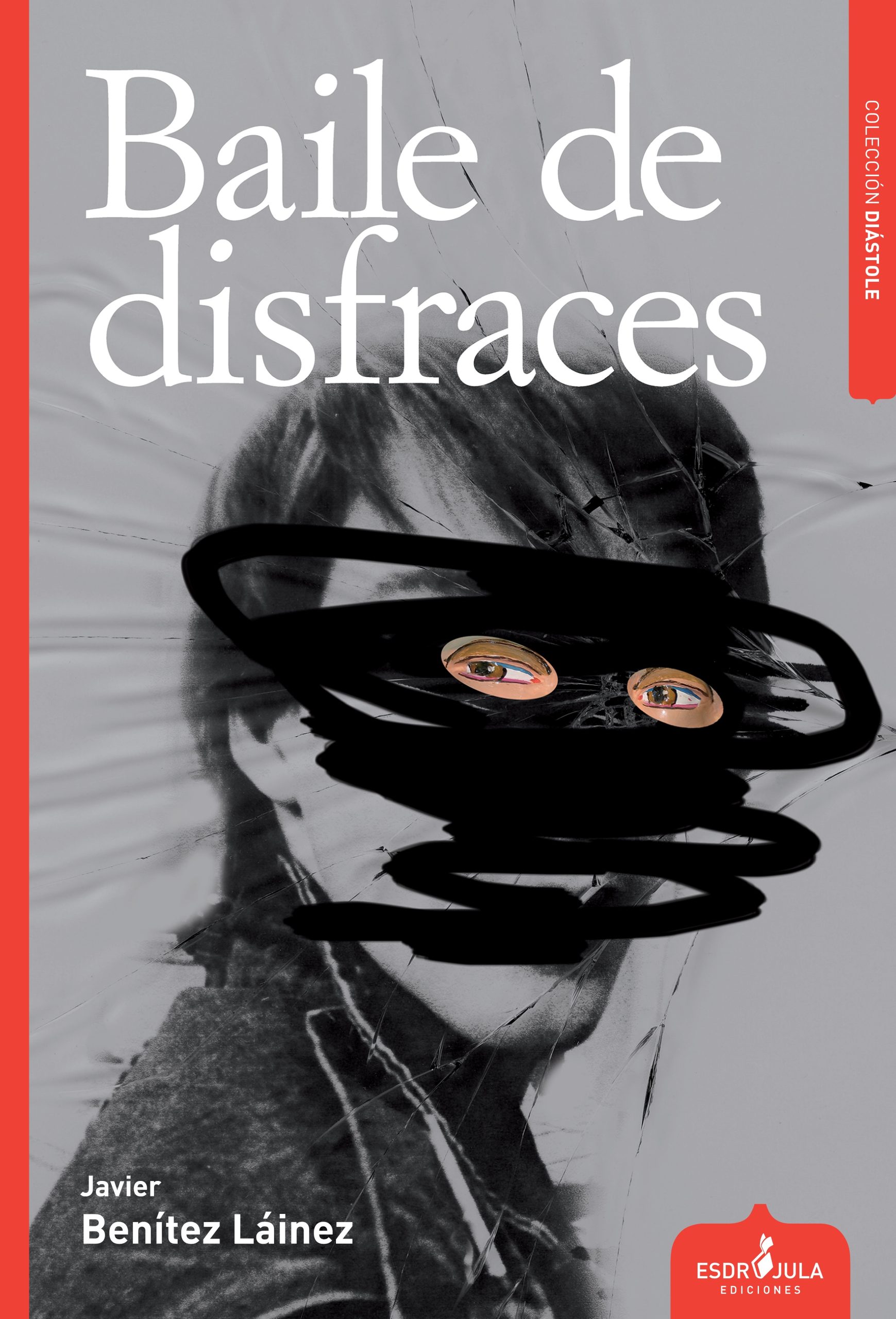
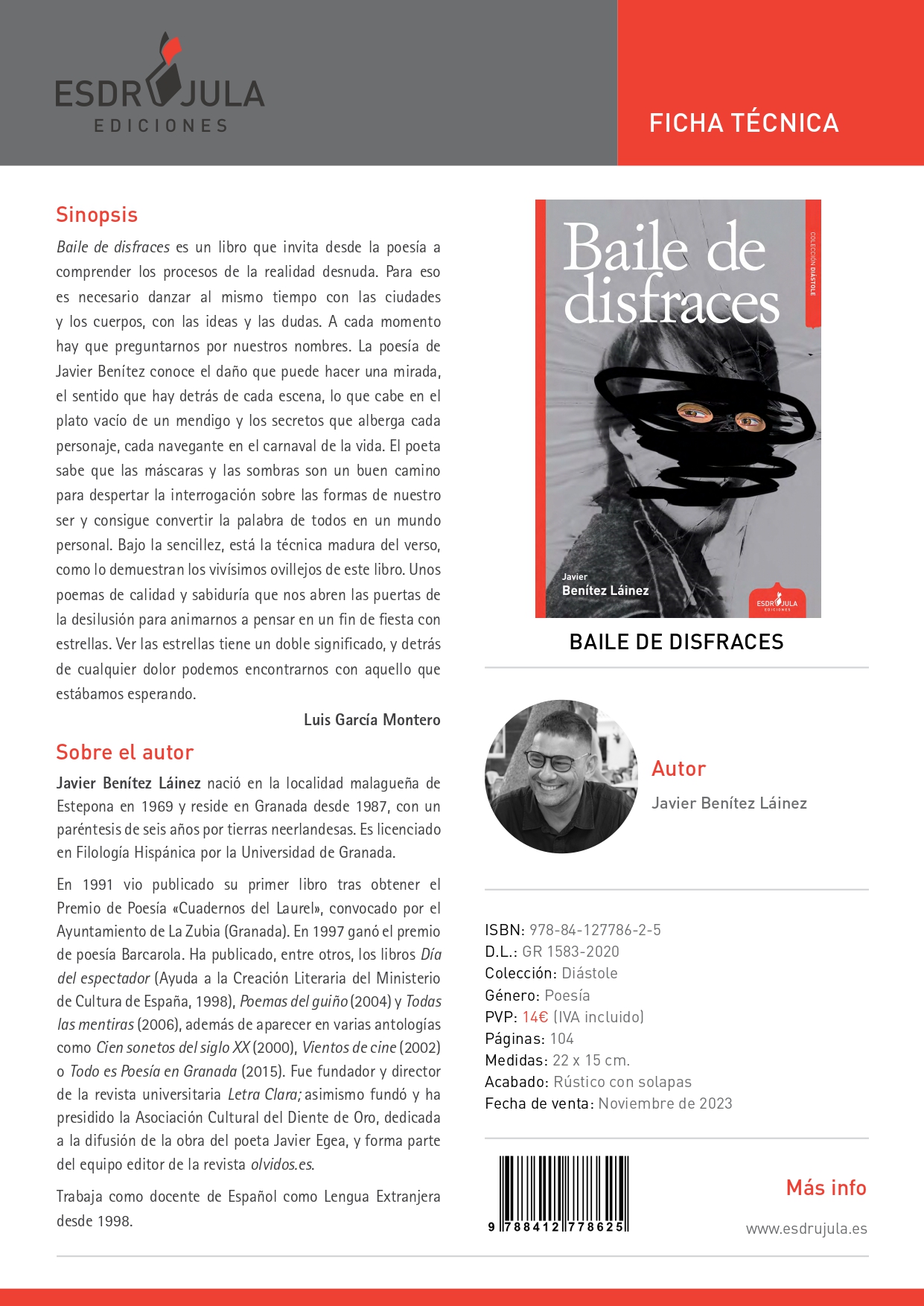
To wrap up, I would like to share with you a very special present the Three Wise Men left me by surprise. It is a poem that my friend the poet Javier Benítez Láinez wrote in a single sitting from a line that had been circling in his head: –«I turn fakir so as not to hear you»-. He titled it «El faquir» and although it was left out of his recent book ‘Baile de disfraces‘, it keeps that same tone and lyric rhythm that permeates his latest collection. Published by the Esdrújula publishing house and with a prologue by the poet Luis García Montero, this book of poems portrays, in a playful and raw way, the closing hours of a carnival party where nothing and no one is what it seems; even this other ‘fakir‘ who, despite being left out of the book, was always inside the troupe, in the shadows and behind his masks, worthy of a costume that now becomes verse, voice and dance:
- Audio of the poem «El faquir» in the poet's own voice.
Imagine now that you and I,
very late into the night,
should finally talk man to man.
Jaime Gil de Biedma
I turn fakir so as not to hear you,
I devour glass, toads and snakes,
I sleep on a mattress of spikes,
I swallow fire,
I feed on nails and screws
and right at that point you turn to me
saying “listen, maybe I was wrong,
I never meant to buy you anyway,
I thought it was a joke, that label of yours,
accursed poet, and impossible.
I can't take it anymore. I don't want to see you.”

And then, and once again,
the shadows stir inside me,
because I was alone,
well loved by no one,
happy in the cavern beside the fire,
a vulgar metaphor for butane gas
that served me as an embrace
through the Januaries and Decembers
in which you were not yet here.
And I wanted no promises of tomorrows
-still less without knowing the today we walk in-,
no family dinners, no presents,
no living with you without truly living together.
What I want, my love, is that we make a pact,
that we finally talk face to face
for conversations are
what stands unpaid on the ledger,
since caresses — those we give each other plenty.
Here I wait for you, love, in this cave
where the summers turn cold
and in winter only bodies keep one warm.

                               Javier Benítez Láinez
because I was alone,
well loved by no one,
happy in the cavern beside the fire,
a vulgar metaphor for butane gas
that served me as an embrace
through the Januaries and Decembers
in which you were not yet here.
– Next post… Kentukiana 6: Do I Stay or Do I Go Back? (Saturday, February 9, 024)
Comments (40)
Verónica
Estos post nos acercan a conocer un poco más la cultura americana, cómo es su manera de expresarse, la dificultad de aprender otro idioma, a través del juego y la diversión. Gran tarea la que enfrentas y una aventura seguro inolvidable.
Daniel
Mr. Duro, haciendo honor a su apellido, estos gringos no van a poder con nuestras erres ni jotas ni nada. Enhorabuena por tu blog, nos transportas a tus clases americanas de una forma tan vívida que parecemos alumnos tuyos. Un saludo
Faly
A mi querido amigo Mister Duro, Sagaz navegante de experiencias, sin más brújula que una pluma, sin más equipaje que un cuaderno, Escribiendo lejanos horizontes, leyendo nuevas fronteras, surcando un mar de idiomas, atracando en un puerto de nuevos conocimientos, Allá en tu destino, compartiendo tu vivencia, abriéndonos tu diario y convirtiéndolo en una leyenda. Gran maestro de maestros, como artista con su lienzo, eres pintor de palabras y gran escultor del texto. Un fuerte abrazo desde España amigo mío.
Begoña Silvestre Mateu
¡Me ha encantado este nuevo episodio! Como profe de español en tierras americanas y más específicamente 'kentukianas', me siento identificada con todas y cada una de tus experiencias y anécdotas, pues yo también las he vivido. ¡Sigue con tus reflexiones que dan visibilidad a todos aquellos que estamos viviendo la experiencia como profesores visitantes al otro lado del charco!
Nazapi
Muy interesante lo de las pronunciaciones y muy buena forma de enseñarles los sonidos. Me gustó mucho.
Margarita
Una gran clase de fonética española que día a día recalcamos y repetimos con la paciencia y el mimo que nuestra profesión encierra… ¡¡Espero la próxima entrega con muchas ganas!!
Gaby
Buen escrito. Me identifico un poco, pues después de haber vivido años en España ahora estoy viviendo en Houston y a pesar de hablar el idioma, me siento un poco extraña al pronunciarlo 😅 me entran los nervios, pero también me gusta cómo suena en ellos su acento. ¡Interesante ver la fonética narrada de esa forma!
Gaby
¡Hermoso poema también! ❤️ ¡¡palabras fuertes!!
Juan Esteban
Muy buen post, ideal para quien va a empezar a impartir clases de español en Estados Unidos. Puede servirle como una guía. Muy claro, bien escrito y ameno. Además, los audios transportan al aula de clases. ¡Felicitaciones!
Jessika Magallanes
Waooooo… Me encantó muchísimo tu escrito… Prácticamente nos enseñas también a nosotros sobre fonética y lingüística. Me encantó el poema… Gracias Jorge, te admiro mucho y valoro cada palabra que plasmas en tu blog… Saludos❤️
Jorge Duro
Gracias a ti Yessika por estar siempre atenta a mis publicaciones. Espero seguir instruyéndote. Saludos de vuelta para Venezuela.
Jorge Duro
Esa fue la idea inicial, que el blog sirviera de faro y guía a los futuros profesores visitantes que se aventurasen en esta apuesta. Sin embargo, esto es lectura y para todo tipo de lectores está abierto pues hay humor, reflexiones, anécdotas, descripciones de situaciones muy especiales…, y sobre todo que se sea una lectura humana e instructiva para cualquiera que se hubiese podido aventurar en un viaje como este.
Mari Carmen R
Interesante publicación. Vemos cómo en la otra parte del país estáis haciendo un gran trabajo para que los niños puedan conocer nuestro idioma. Yo todavía no he podido vivir eso ya que mis alumnos son recién llegados de países como Honduras, El Salvador, Guatemala…, y se encuentran con la barrera de no saber inglés. Además cuando te encuentras con preadolescentes es un problema añadido ya que les da vergüenza incluso leer en voz alta por miedo a que se rían los demás. Ánimo 💪
Jorge Duro
Como bien dices el hecho de ser preadolescentes es un reto añadido pero no solo por, en mi caso, bajo nivel de español sino también por su falta de compromiso, disciplina e interés. Hay pues que diseñar actividades muy bien pensadas para tenerlos motivados y ocupados en su trabajo, cosa que es bastante compleja. Con algunos se consigue, con otros hay que seguir intentándolo. Lo de la vergüenza hay que quitársela rompiendo el hielo. Por ejemplo que el docente y otros alumnos comiencen a leer. Es muy importante que pierdan ese 'miedo', sino lo arrastrarán hasta quién sabe cuando. Hay también actividades y métodos diseñados para este tipo de alumnado. ¡Vamos!
Jorge Duro
Todo nació con la idea de compartir mis experiencias como guía a los que empiezan. Ahora se está transformando en una guía de aventuras y desventuras. Los audios un acierto, sí señor. Seguiremos pues.
Jorge Duro
Un poema que pone, con el permiso de Lázaro Carreter, «el dardo (verso) en la palabra«. Sutil y certero.
Jorge Duro
He intentado acercar y hacer simple al lector el maravilloso mundo de la fonética. Una asignatura que me trajo de cabeza en la carrera de filología en la Facultad de Filosofía y Letras de la Universidad de Granada y luego fue de mis favoritas. Quién me lo diría.
Jorge Duro
Una fonética que los hablantes de español en Estados Unidos la siguen enriqueciendo y haciendo cada día más viva.
Jorge Duro
Hay que enseñarles mediante el juego y la diversión, si no te comen… XD
José Enrique Rustarazo
¡Qué interesante! No se me hubiera ocurrido ni en un millón de años hacerles repetir mi nombre en castellano. En serio, me conformaba con que me llamasen Henry, más simple y directo. Así que valoro mucho tu entusiasmo y la maestría que demuestras explicando fonética. Un 10 amigo. ¡Cuídate mucho! ¡¡Y enhorabuena por el blog!!
Jorge Duro
Si te sientes identificada es bueno. Intento transmitir la realidad que vivimos dentro de un colegio donde todo se nos hace tan extraño y lejano como familiar y cercano. Juego de contrarios en constante danza…
Jorge Duro
Hacerles que pronuncien tu nombre y apellido «Jose EnRique RustaRaZo» sería una pechá de reír: (HO-se en-RHUI-ke RHUS-ta-RUAH-SOU), juuaass. Oye pues voy a probar a que lo digan mis alumnos a ver qué sale, jajajaja, lo grabaré en audio y lo 'postearé' (subiré) en el artículo. Gracias amigo 'Henry' por darme otra idea, un gustazo leerte. PD: Les interesa mucho saber cómo se dice su nombre en español: Josua ('er Yosua', como el de Los Morancos). También tengo varias 'Jenis' o Jennifers XDDD.
Alda Inacio
Tiemblo ahora que he leído tu blog. De ninguna manera voy a mostrar mis libros. Me va mucho peor en español que tú en Estados Unidos con tus alumnos. Felicitaciones desde Brasil.
Jorge Duro
Qué humilde es usted Alda. Siga adelante con su libro de español para jóvenes 'brasileiros' que yo le echaré una mano :). Saludos para 'Brazil'.
Nacho Peña
Jorge estoy impresionado con tu implicación y con tu buen hacer en esta experiencia americana. Sigo con mucho interés tus publicaciones y me resultan tremendamente interesantes. Te mando un abrazo desde nuestra tierra.
Jorge Duro
O me implico o el barco se va a pique. Quiero sacarle el máximo jugo a esta experiencia y qué mejor que conjugar mis vivencias americanas con la escritura en un blog como este. Lo haremos navegar hacia los mejores puertos mi capitán.
Bryan Carmona
Hay pocos docentes como tú, Jorge. Estáis en peligro de extinción, a veces no se os valora pero ayudáis a mantener la experiencia didáctica más importante. Que es llegar a la mente de a quien enseñas, no ser un loro y repetir lo que pone un libro. Ayudas a mantener esos sueños y esas esperanzas a los jóvenes, a seguir viviendo y disfrutar del aprendizaje. ¡Ojalá puedan ver tu esfuerzo y les llegue tu mensaje!
Jorge Duro
Recuerdo que te di clase en IES Pasqual Calbó i Caldés de Menorca y siempre fuiste sumamente atento, respetuoso y buena persona. De esto hace muchos años, pero hay estudiantes que nunca se olvidan. Ojalá tu mensaje lo leyeran los alumnos que necesitan saberlo y quizá así dejarían de perder el tiempo ellos y hacérselo perder a los demás. Creo que algunos les llega el mensaje y con eso me conformo. Como dice una breve historia…, «no podemos salvar a todas las estrellas de mar». Gracias y recibe mi abrazo de profe y amigo.
Isabel
¡Estupendo capítulo, Mr Duro! La vida en el aula siempre es más llevadera con humor. Gracias por compartir y ponernos en situación 🫶
Jorge Duro
El humor, tú lo has dicho, es una de las grandes claves para casi todo. Gracias por comentar. 🫶
Elia
Me encantan tus crónicas Jorge, sin duda aprendemos mucho de ellas. 👏🏻👏🏻👏🏻
Mikel
Ahora he acabado la Kentukiana 5a… La 4a me encantó y pensé que era insuperable, pero me equivocaba… La musicalidad y el humor asociados junto con las anécdotas lo están haciendo realmente atractivas. Me encantan leer los comentarios de tus admiradores y tus respuestas. Te noto con confianza madura y equilibrada… Dale Duro, pasqualero… Sigue jugando tus cartas, maestro…
Jorge Duro
Qué bien que aprendáis de la experiencia narrada. A por la siguiente…
Jorge Duro
Sí, leer los comentarios es también bastante divertido y es bueno saber que nos vamos superando. Espero seguir con esa 'confianza' de la que hablas. A darle 'duro' XDD.
Katelyn
This was a great read Jorge! I understand how much of a struggle it must be to adjust to our strange American ways. We're always here to help you out! Never hesitate to reach out to us.
Jorge Duro
PRIMERO TRADUZCO: ¡Esta fue una gran lectura Jorge! Entiendo lo difícil que debe ser adaptarse a nuestras extrañas costumbres estadounidenses. ¡Siempre estamos aquí para ayudarte! Nunca dudes en comunicarse con nosotros. SEGUNDO CONTESTO: Gracias Katelyn por confirmarme que la adaptación no es nada fácil y por ofrecerme vuestra ayuda. MUCHA ATENCIÓN a las dos próximas crónicas porque creo que salís vosotros, o al menos de cerca te pilla XD. (Thank you Katelyn for confirming that adaptation is not easy and for offering me your help. CLOSE ATTENTION to the next two chronicles because I think you are the ones who come out, or at least you get caught up close XD.)
Toni Riera
Jorge, me animo a escribirte porque me parece una maravilla tu blog. Me ha interesado mucho ver la «mecánica» de la fonética. Abrazos y sigue así.
Jorge Duro
Es fantástico descubrir cómo la forma de hablar el castellano tanto en los norteamericanos como en los sudamericanos tiene tantas diferentes variaciones. Incluso entre los mismos españoles, o ¿es lo mismo cómo habla un andaluz a cómo lo hace un asturiano? Podríamos seguir dando ejemplos respectos al catalán, gallego, vasco… Esto es lo que hace que las lenguas sigan estando más vivas que nunca. Y todas, todas son maravillosas, sus sonidos y cómo cada hablante la hace única. Gracias Toni por ese ánimo en escribirme.
Leída
¡¡Es muy inspirador!! La forma en la que puedes enseñar y también aprender💗. La verdad, me gustaría ser profesora y esto me inspira.
Jorge Duro
Cuando entras en este mundo de la docencia no paras de aprender e imaginar ideas y actividades nuevas, motivadoras, innovadoras. Hasta tú misma Leída, te puedes sorprender de lo que puedes llegar a conseguir con estos pequeños… Gracias por tus gentiles palabras.