Kentukiana
KENTUKIANA 8. Classroom Stuff: 'Anecdotes'
By Jorge Duro · March 9, 2024
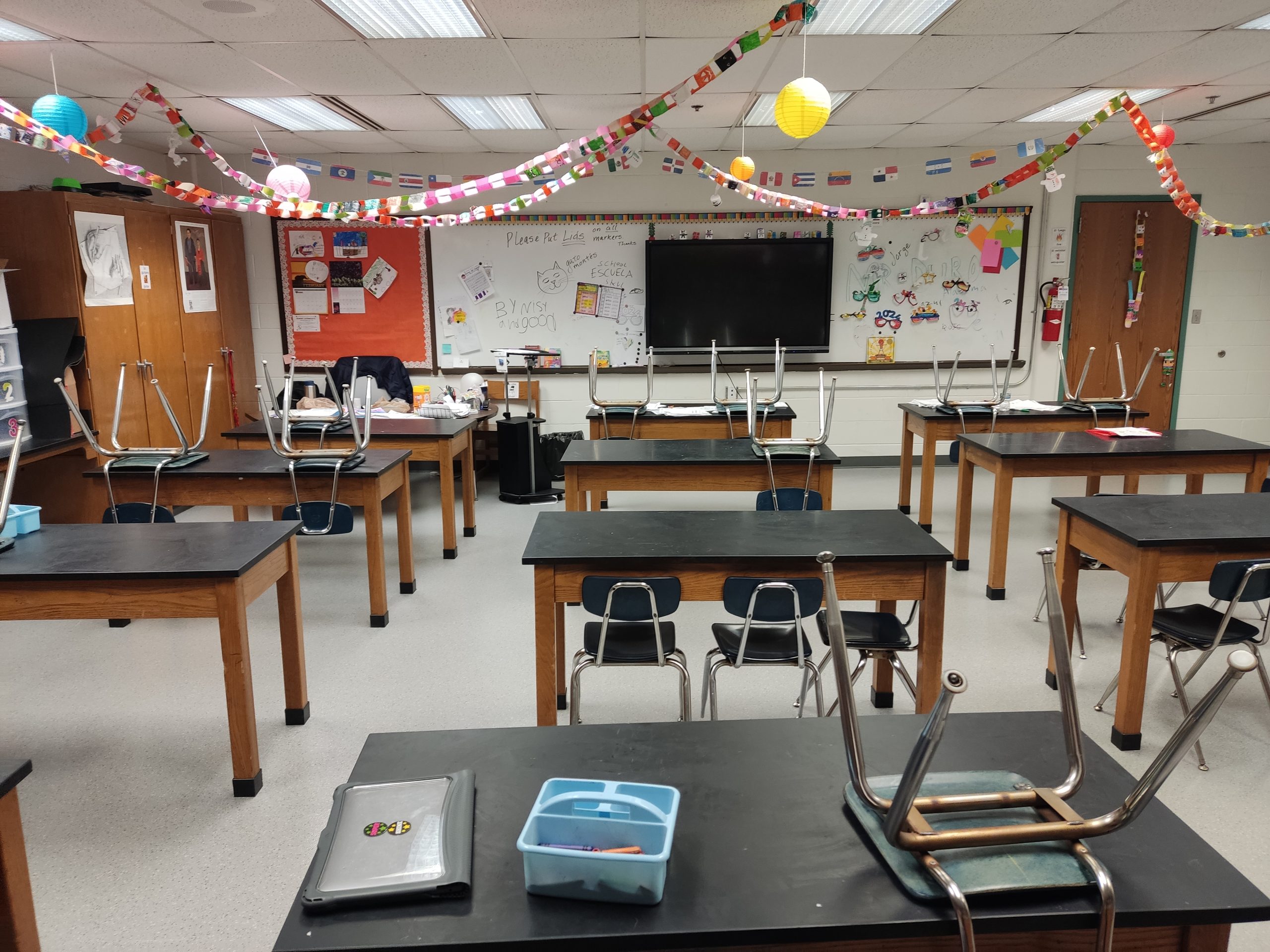
Since the school year began last August 22 until these first days of March, I've had more ups and downs than ‘downs-and-ups,’ if you'll allow me the expression. I've spent more than six months on the front lines, and although everything moves slowly and toward the better, the behavior of the ‘disrupters’ — ‘disturbers’ or ‘agitators’ according to the dictionary, and ‘class-wreckers’ according to us — has barely changed one bit. The experience is toughening me up quite a lot, and it is also helping me confirm once again that education is an exceedingly complex business, not suited for the faint of heart.
the behavior of the ‘disrupters’ — ‘disturbers’ or ‘agitators’ according to the dictionary, and ‘class-wreckers’ according to us — has barely changed one bit.
Every morning I greet the students with the latent suspense of finding out where the ‘hare will leap out’ at me this time, and as soon as it leaps — or they leap — I start my protocol: I begin with warnings, I try to be more than flexible, giving them options — would they like to go to the ‘calm corner,’ a change of activity, little chats — then the whole now-wouldn't-I-just-love-to-call-your-house routine, plenty of patience, empathy, and if they persist, scampering around the classroom, shouting, bothering others and spreading their siren — or mer-man — song, I pick up the ‘black telephone,’ dial four digits, and I'm instantly put through to BI (Behavior Intervention). Seconds later, the ‘custodians’ appear at the door along with the assistant principal, who sometimes accompanies them.
Having reached this point, I think it's important to remember that teachers are not trained in the emotional management of the classroom, since we focus more on the discipline side, neglecting the other — though out of sheer lack of knowledge. Personally, as soon as I detect a sad face or one ‘in tears,’ I always approach that student privately and try to help them in an empathetic and optimistic way. Sometimes they're little dramas of no importance whatsoever that they cook up themselves — jealousy between friends, for example, or snubs — but other times there's a deeper story underneath, and there it does slip further out of my hands. I surprise myself when I hold a conversation in English about somewhat deep matters with these students and they actually manage to understand me. Good — we're making progress. At this school, we have several teacher-psychologists in charge of receiving them when we face a challenge like this. Sometimes the student herself or himself will even ask you for it — can I go to ‘speech’? — Then I hang the hall pass around their neck and off they go, straight to those classrooms where they're calmed down — another great job being done there.
teachers are not trained in the emotional management of the classroom since we focus more on the discipline side,
That's why I admit the problem also comes from the foundation — that is to say, from us, the teachers, the lights meant to illuminate them. But we fail because nobody ever taught us how to deal with this kind of clientele, of students, and everybody knew it perfectly well, yet it was never included in my roster of university courses — not even one. We fail because sometimes we can't manage to motivate or hook the most ‘scatterbrained,’ most ‘rebellious’ students, precisely the ones who keep class from being class. I err because the system that programmed me with two degrees in the humanities was unable to humanize me and install that antivirus against the disruptive student; I have to create it myself, keep developing it myself, and on top of that update it every year, every day, class by class.
I err because the system that programmed me with two degrees in the humanities was unable to humanize me and install that antivirus against the disruptive student,
Not a single day goes by without my questioning the meaning of this profession, when there's so much to be done to train teachers. For example, when a class comes out nearly perfect you think, yes, it can be done! — but what just happened? — and suddenly you love every single student, and then that love spreads even to objects, like the broom and its dustpan, which also become friends — what would I do without them at the end of each session? I even love the wastebasket itself, brimming with orphaned and badly sketched drawings and exercises, with half-finished word searches, unfinished drawings, crumpled papers and paper airplanes. I feel genuine mercy for all these sketches and, playing their very own ‘creator’ — which in a way I am — I grant them a second chance. I lift them from their resting place and hand them back out among the students. I un-crumple the crumpled and, stretching it out, I show it to them — look, this paper came from a tree, and for what? To end up in the wastebasket like this?! — and I add: look at these poor works of art abandoned by their own artist. Don't abandon them — they never would’ — paraphrasing the slogan of a certain commercial against pet abandonment. I dramatize the act a little — I was never bad at that — and right away some hand goes up, ready to volunteer. Altruistically and without pressure, I start asking for volunteers for this ‘clinic for abandoned drawings.’
I even love the wastebasket itself, brimming with orphaned and badly sketched drawings and exercises, with half-finished word searches, unfinished drawings, crumpled papers and paper airplanes.
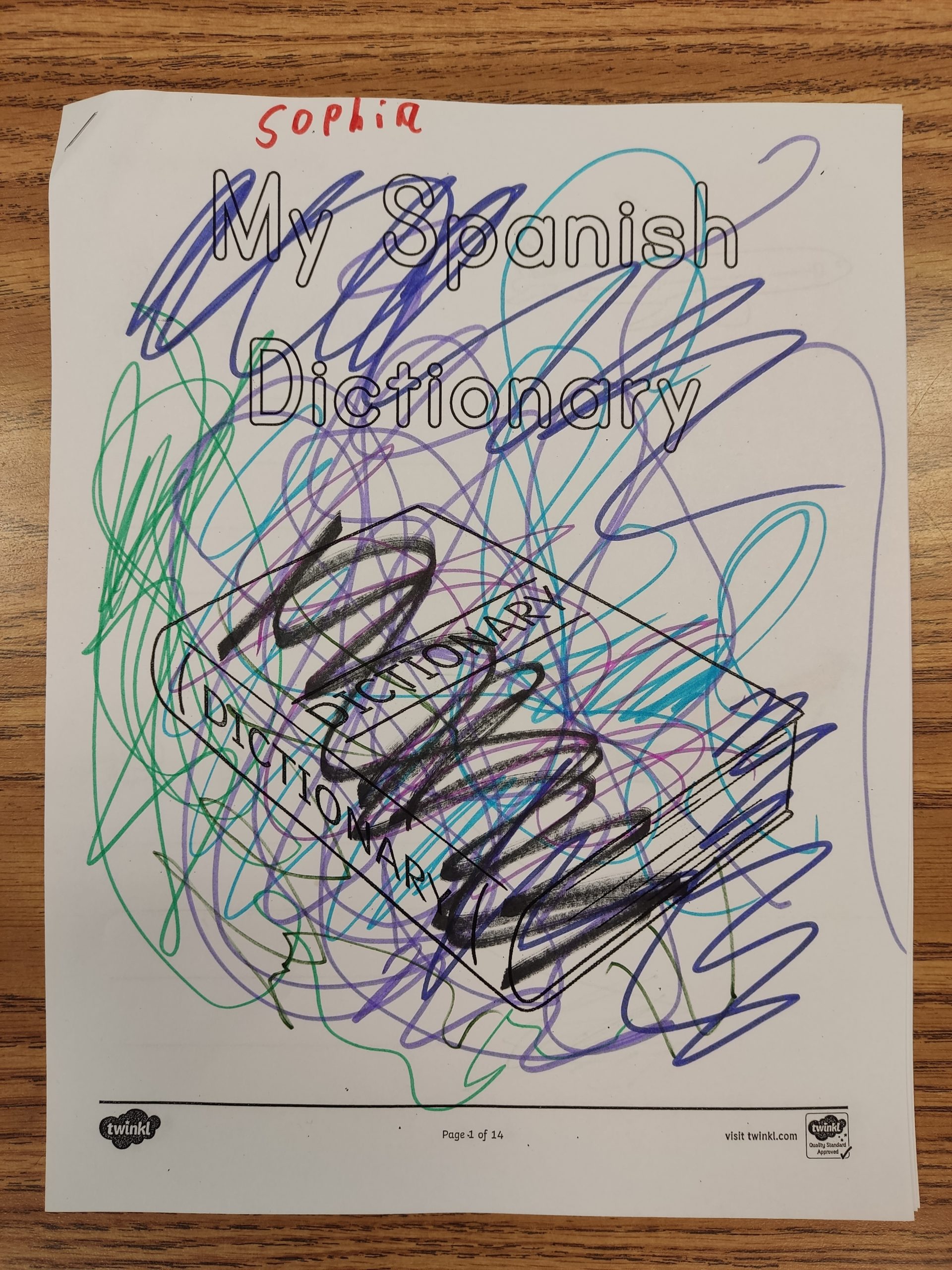
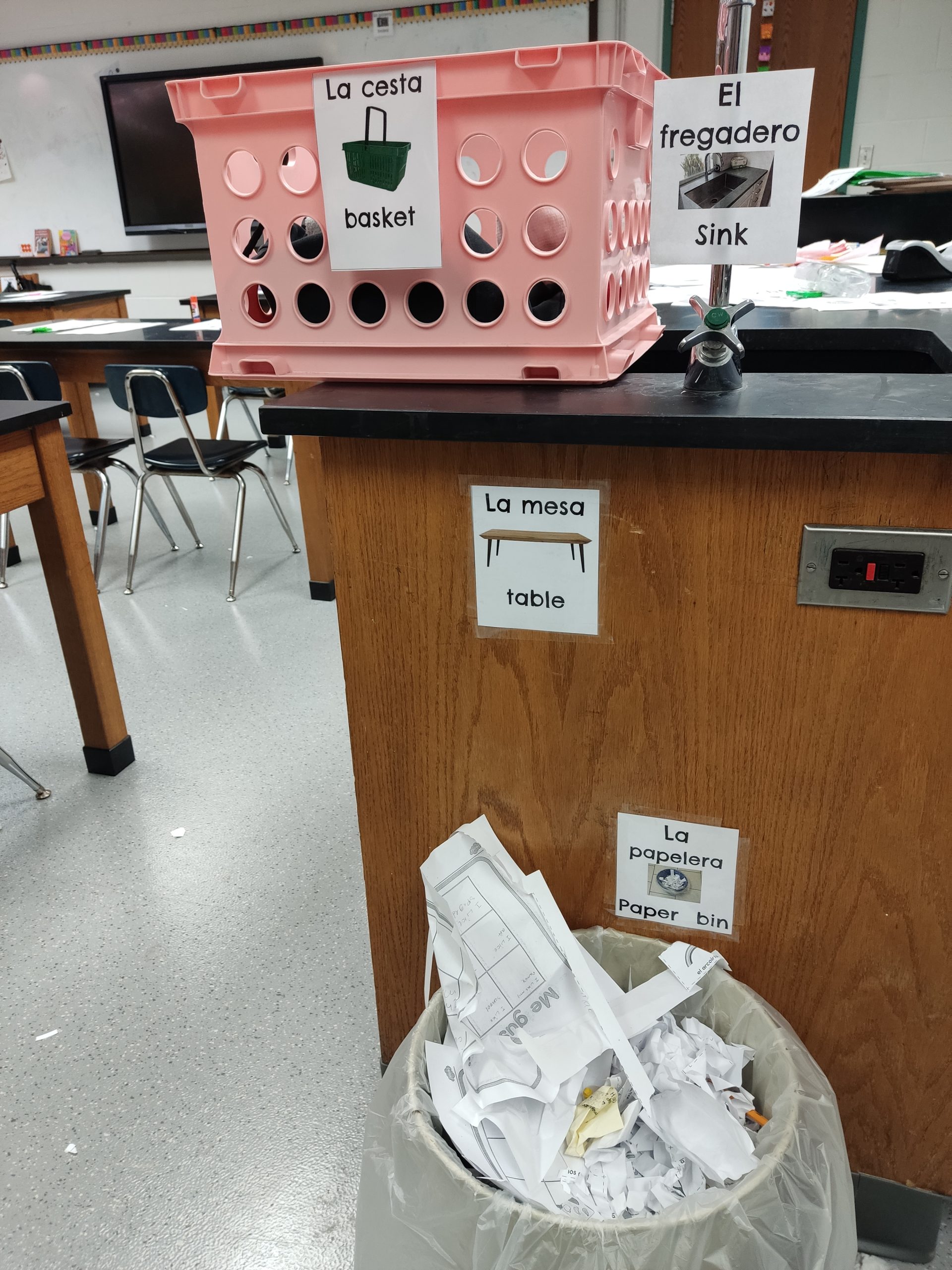
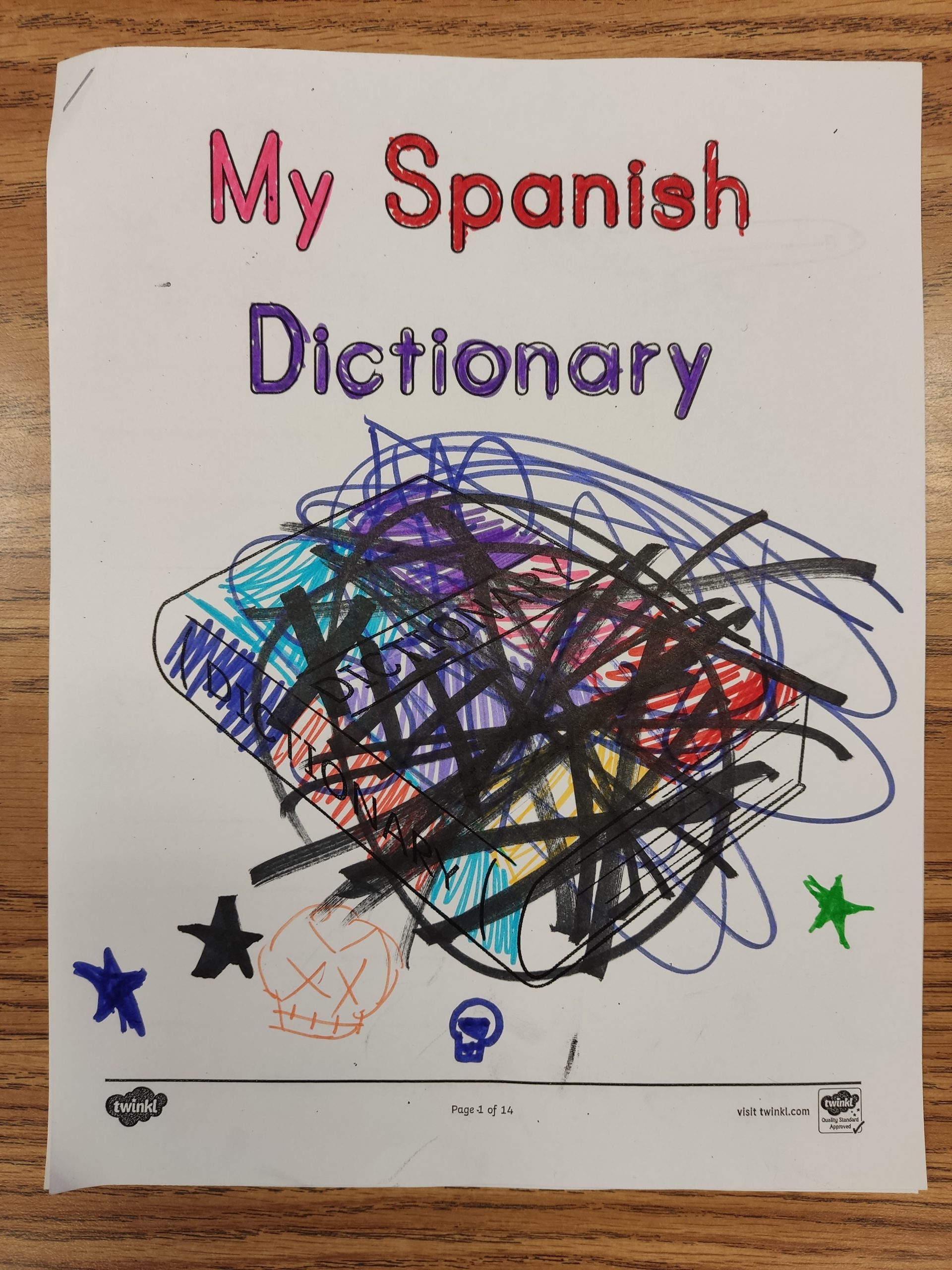
There we've already touched their heartstrings, their little heart and that of many others. Let them learn sensitivity, so out of use these days. The result is at times surprising, for not only do they end up beautifying them, but they also begin to acquire values as uprooted as they are vital: care for things, recycling and hygiene, empathy, order, manners, and many more.
The result is at times surprising, for not only do they end up beautifying them, but they also begin to acquire values as uprooted as they are vital
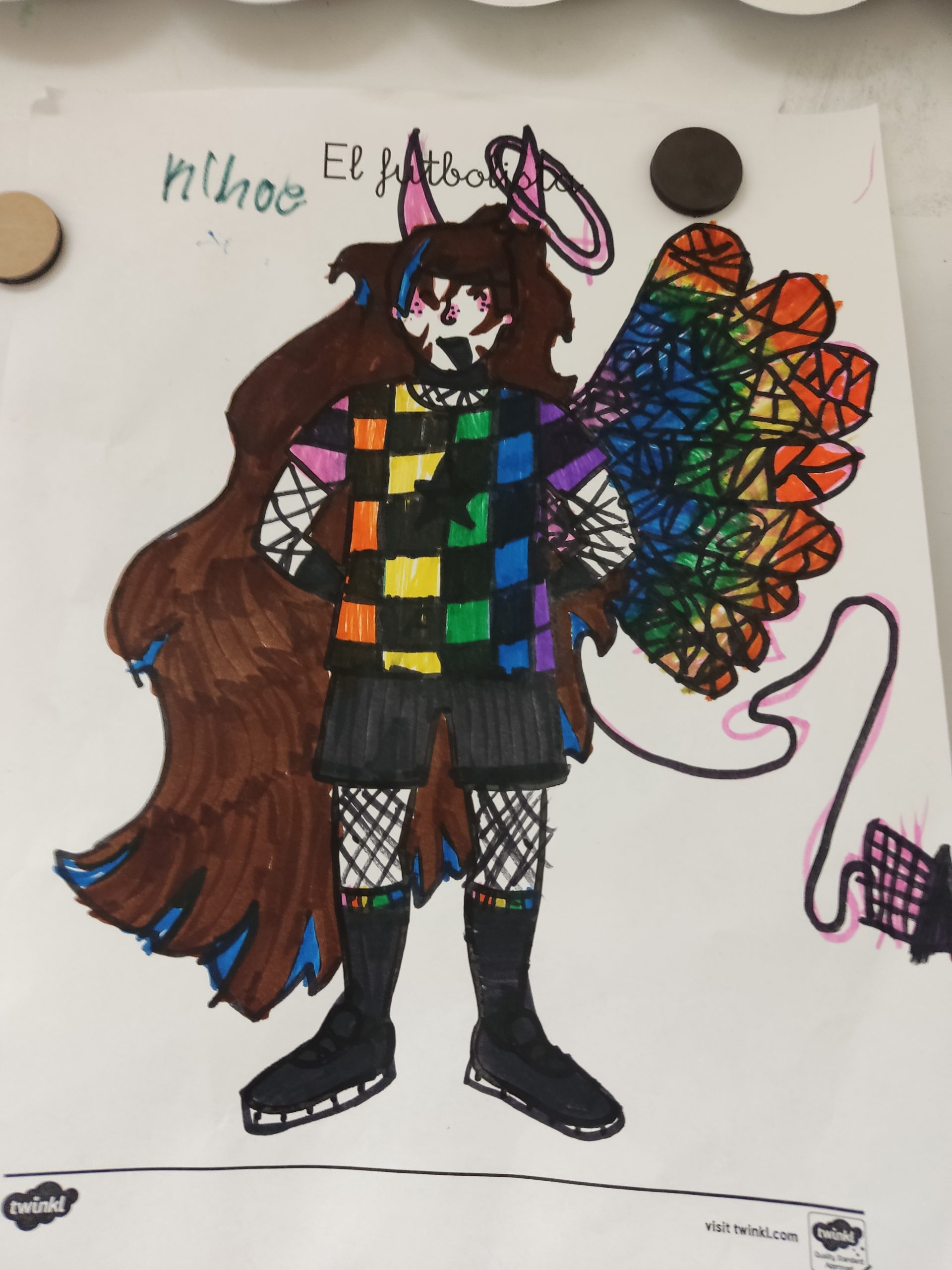
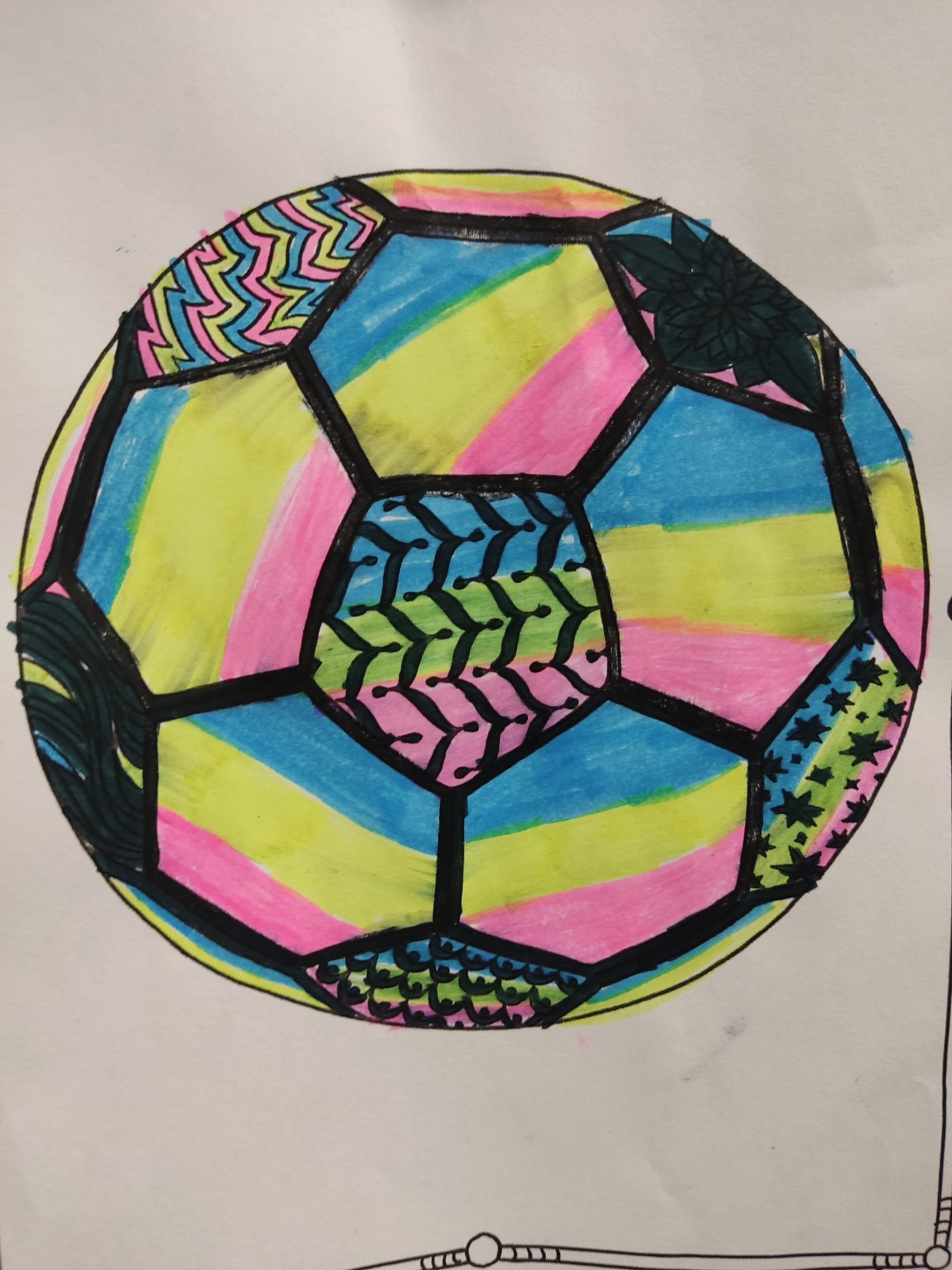
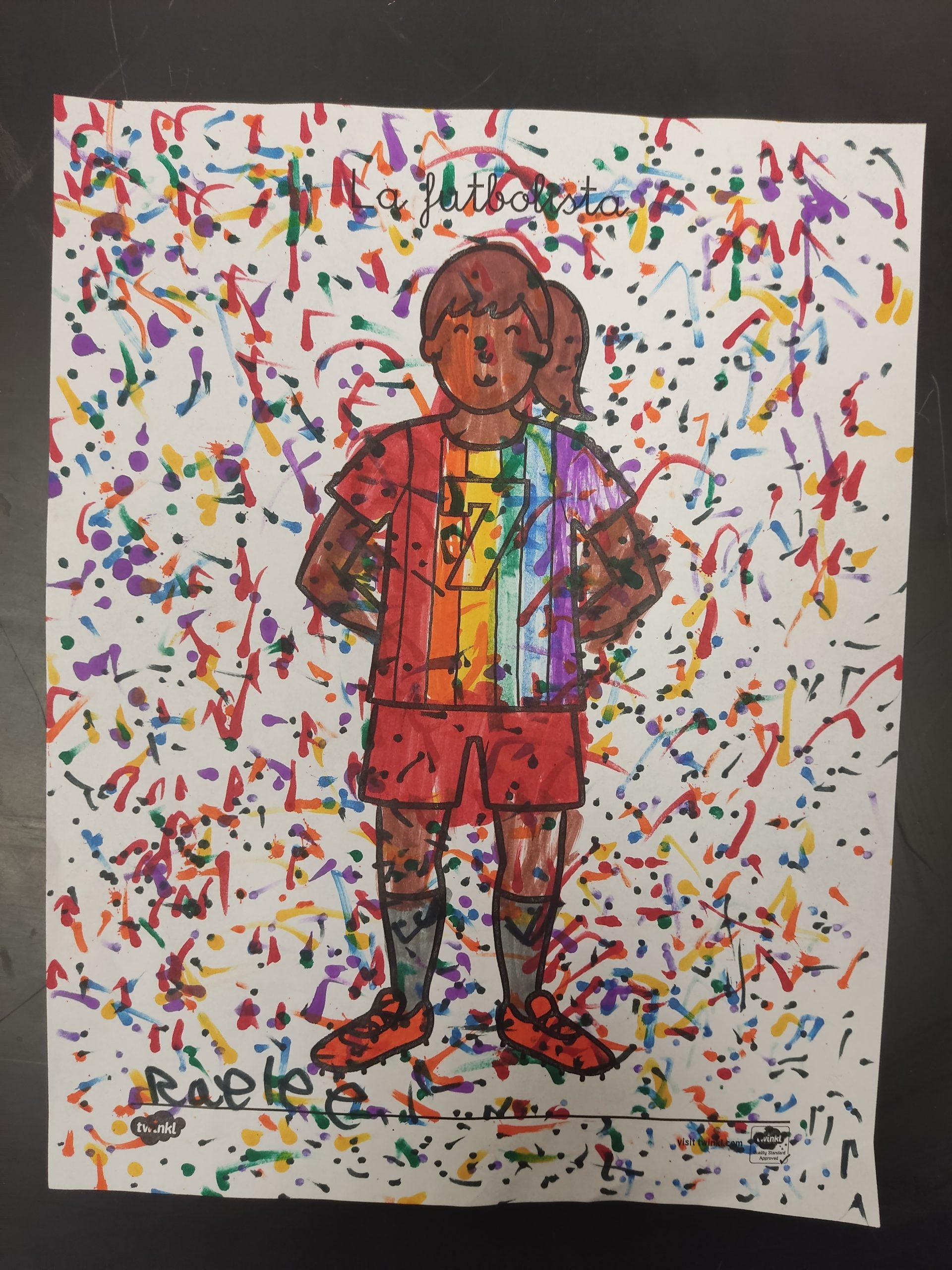
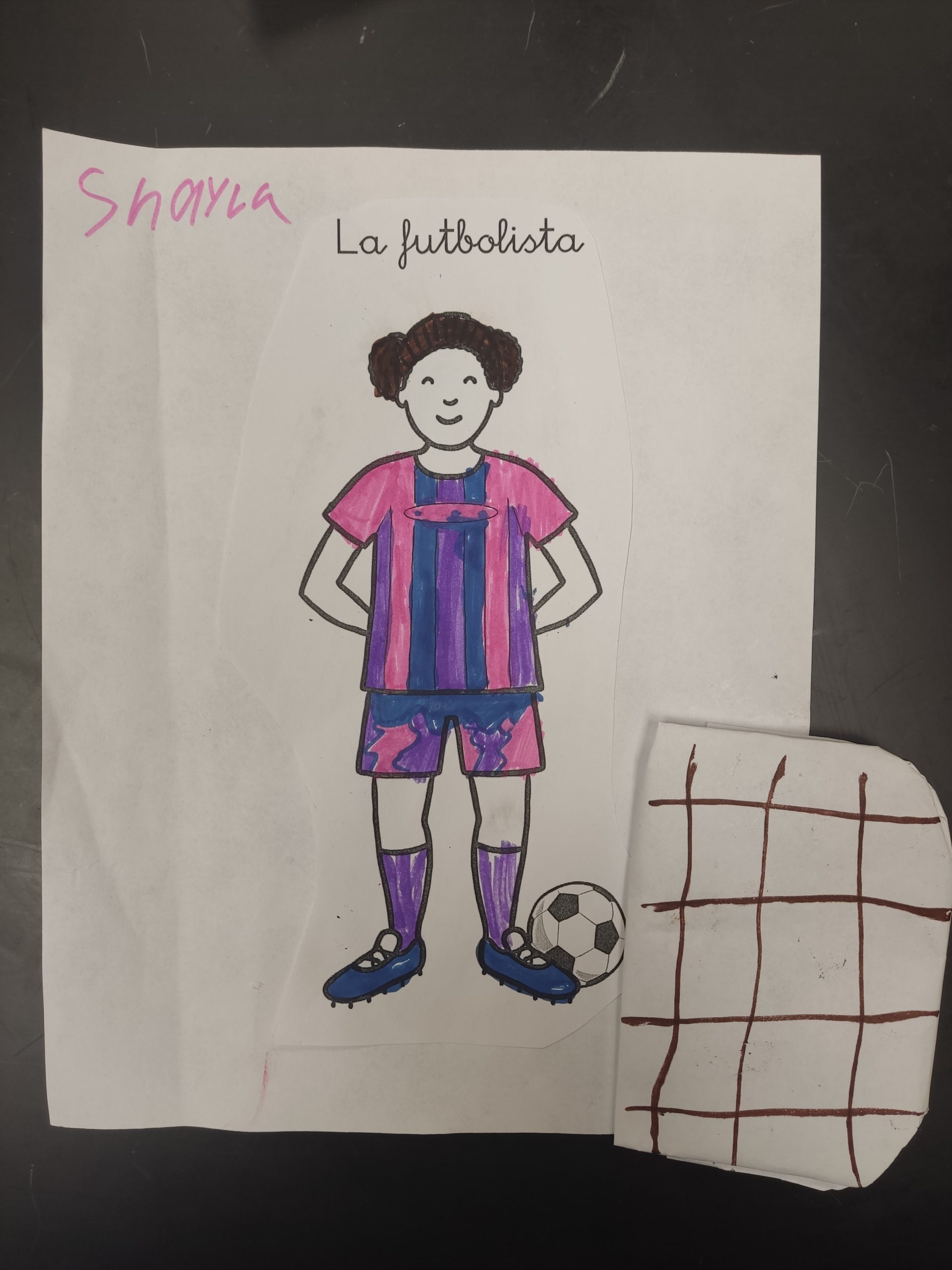
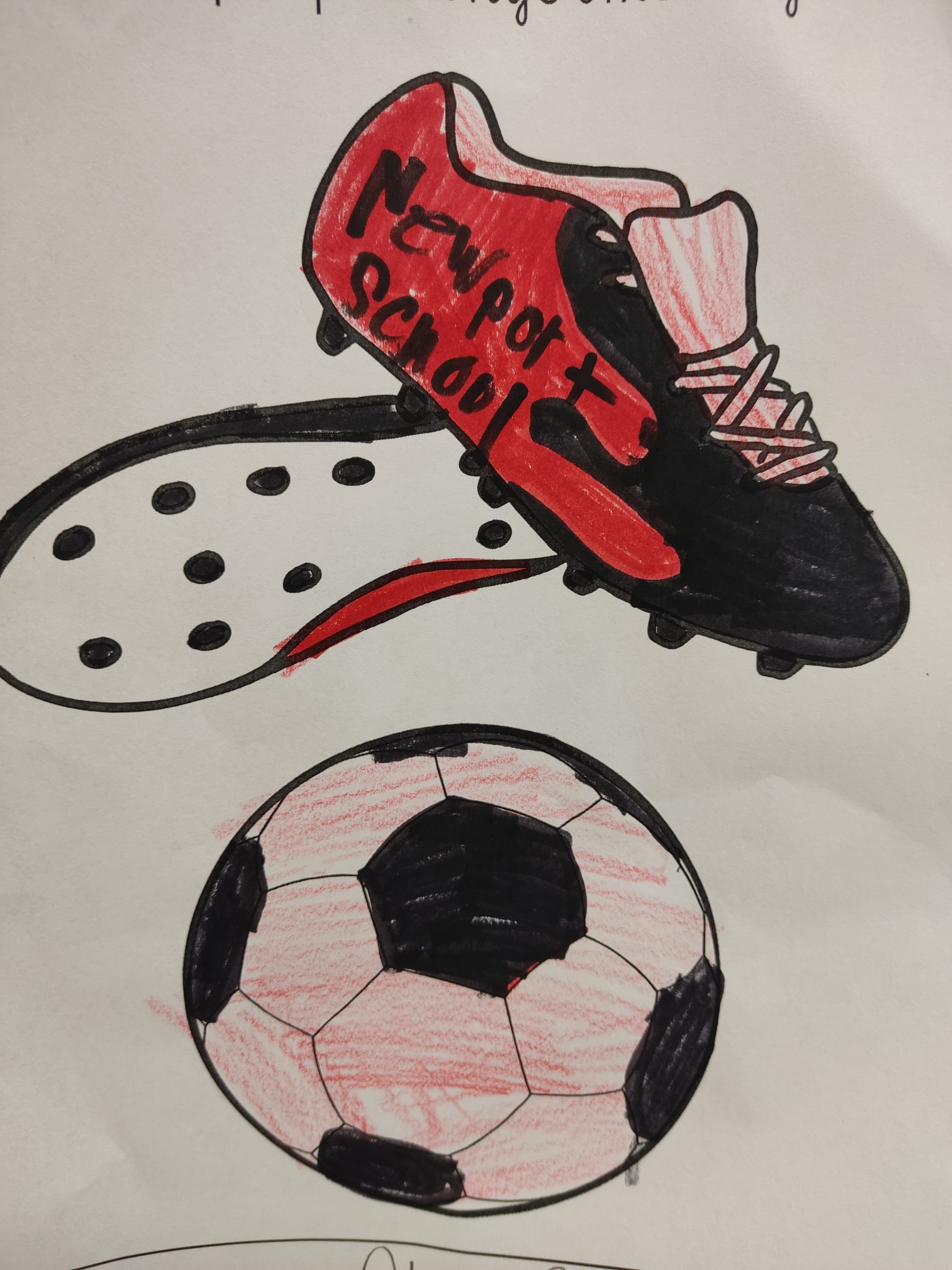
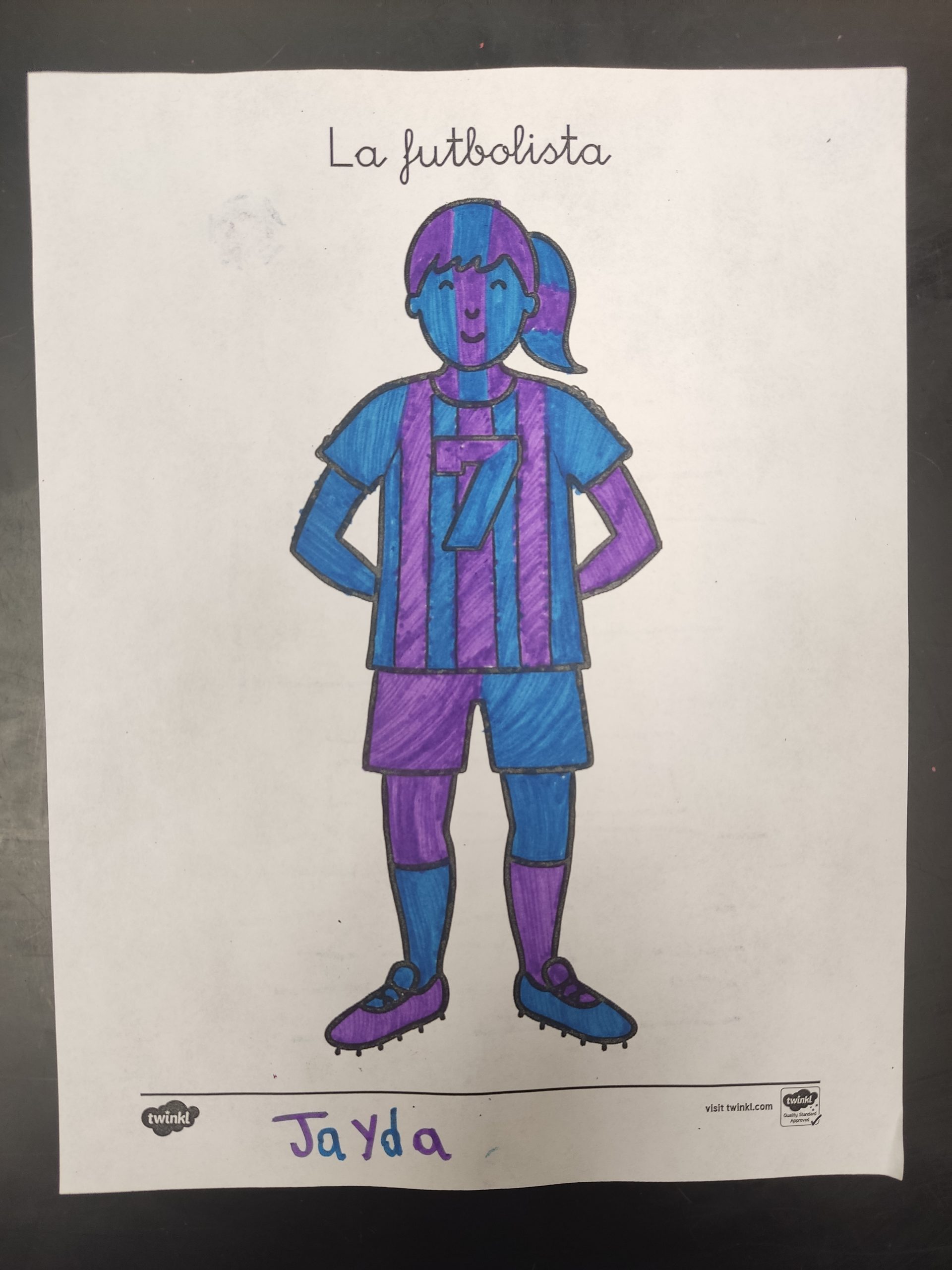
Drawings rescued and artistically improved.
Speaking of manners — how hard it is for them to say hello, or even to answer when you wish them good morning or simply see them off from the classroom with that ‘Time to goo!’ Plenty of others do greet you and even give you hugs, which is precious, but all these values, along with education itself, are beginning to be gravely vilified by what, in the words of professor and sociologist Shoshana Zuboff, has been called the “age of surveillance capitalism,” which I'd like to address in future posts.
gravely vilified by what, in the words of professor and sociologist Shoshana Zuboff, has been called the “age of surveillance capitalism,”



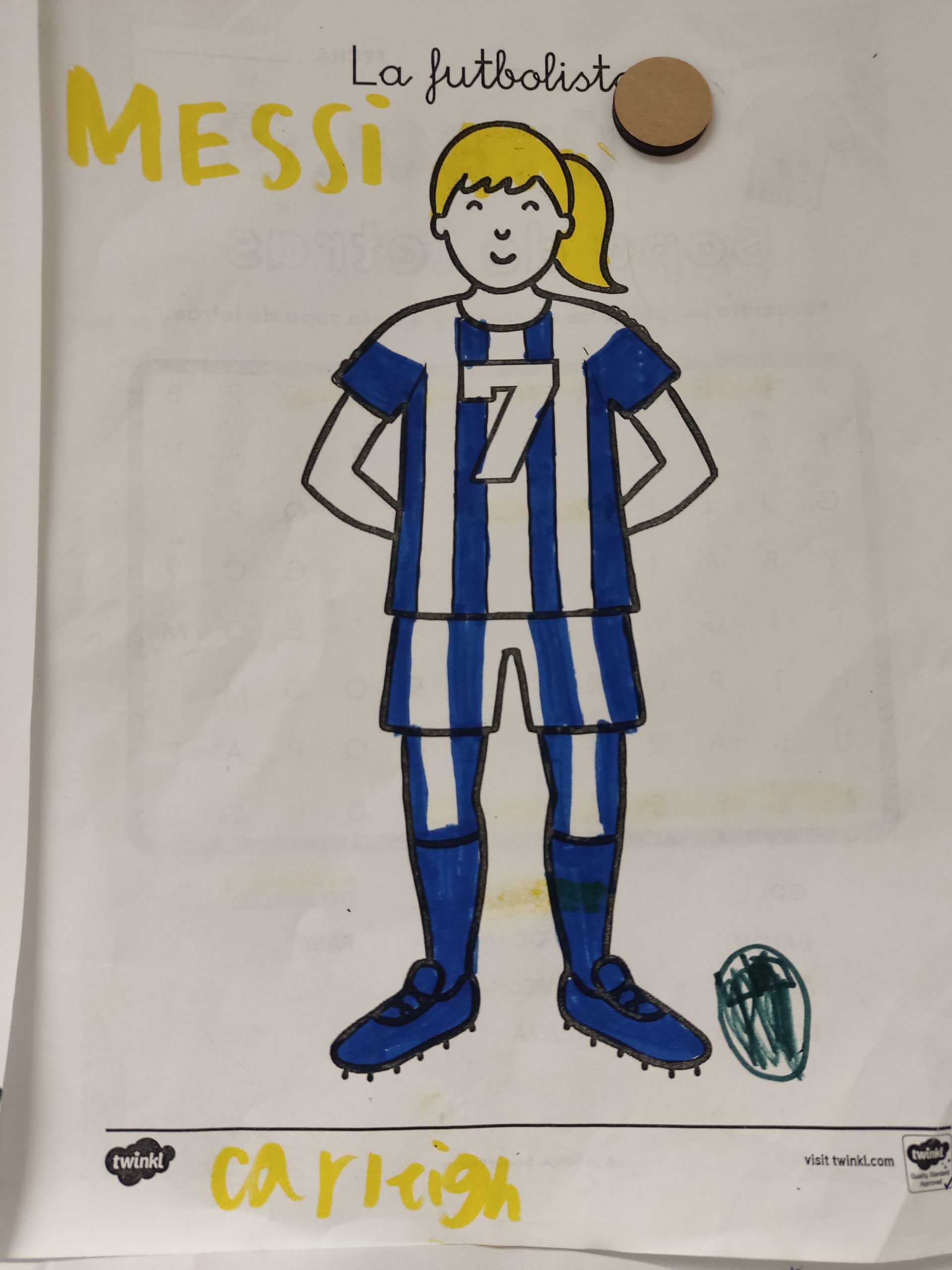
By the way, it's precisely with the English word for ‘word search’ that I have a certain linguistic dilemma: here they call it a ‘wordsheet’; but since the pronunciation of ‘sheet’ (/SHēt/) sits so dangerously close — at least in my Spanish mouth — to that of ‘shit’ (/ʃɪt/), the joke practically serves itself. But it's even worse when I clarify that ‘in Spain I live right by the beach,’ because if I mispronounce ‘beach’ (/biːtʃ/) as ‘bitch’ (/bɪtʃ/), it may well be understood that I live right next door to someone in that particular line of work. So the embarrassment and panic I go through at such a predicament is no small thing. Just this week, for example, we worked with word searches about soccer and I pronounced ‘wordsheet,’ stretching out the ‘e’ — well, I did hear some murmuring with little smirks; because of course, saying ‘let's do a word search’ is not the same as saying ‘let's do a ‘word-shi….’’ The upshot is that I get through the English word by saying it almost always at full tilt and without much definition, in an attempt to slide past it as quickly as possible. The bad part is having to repeat it when you hear someone say — ‘Whaat?!’
but since the pronunciation of ‘sheet’ (/SHēt/) sits so dangerously close — at least in my Spanish mouth — to that of ‘shit’ (/ʃɪt/), the joke practically serves itself.
On another note, I also rescue pencils that I find abandoned on the floor — I rescue pencils! — I tell them; erasers, pencil sharpeners, markers missing their caps — and that's another story altogether: the sheer number of markers they leave capless! I no longer know whether it's lack of memory or plain disinterest. While they draw, I hear caps, markers, sheets of paper and pencils dropping to the floor, and they don't even bother to pick them up. — Please put lids on all markers! Thanks! — Please pick up the colors of the floor! — I remind them time and again. I hear myself and I sound like a dull tape recorder. Soon I'll have to sing it all as a rap and see if the message gets through more effectively that way.
While they draw, I hear caps, markers, sheets of paper and pencils dropping to the floor, and they don't even bother to pick them up.
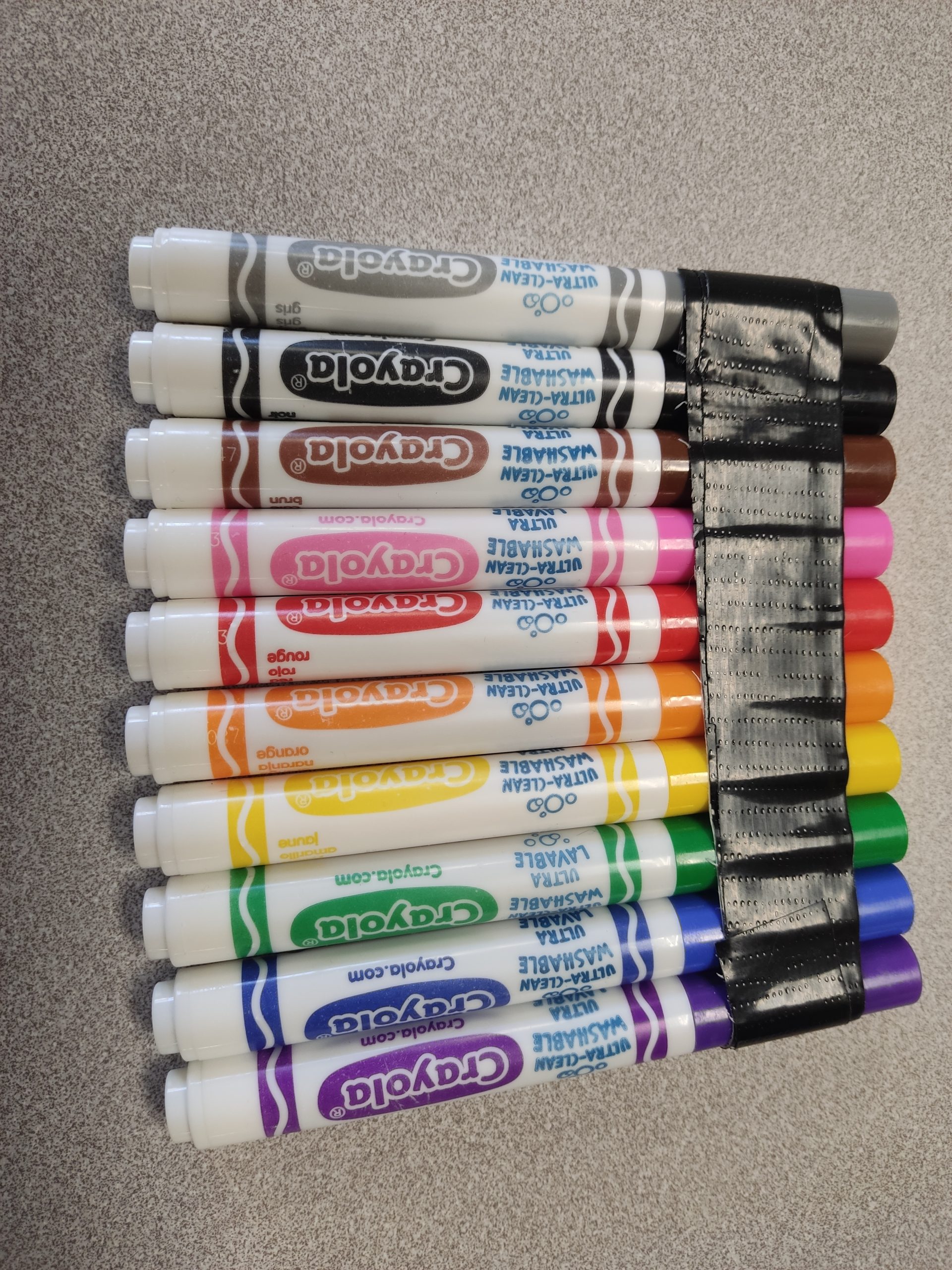
Other times they hurl them at each other like knives, or wreck the tips by using them as stakes against the paper to create that pointillism effect, as aesthetic as it is immoral, since it's school material and tools my classroom cannot do without. — Mister Duro, mister Duro, I need red! — I have no red or black markers left. Let them use the Crayola crayons now, or learn to take better care of things. I've searched for new methods to keep them from forgetting to put the little cap back on, but they're still in their trial period, like my invention of taping all the caps together with duct tape — let's see if, being the novelty, it also becomes the excuse for remembering.
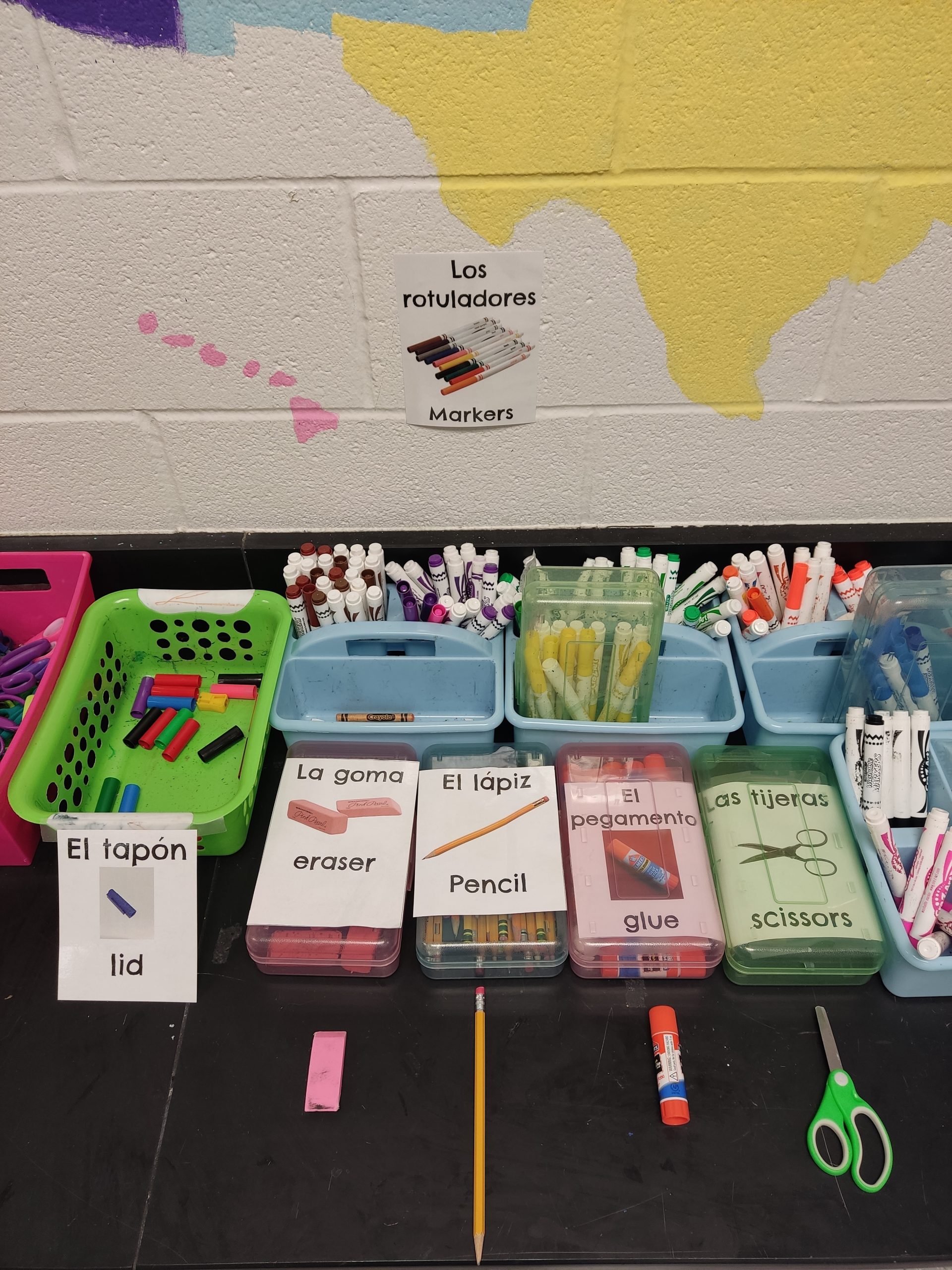
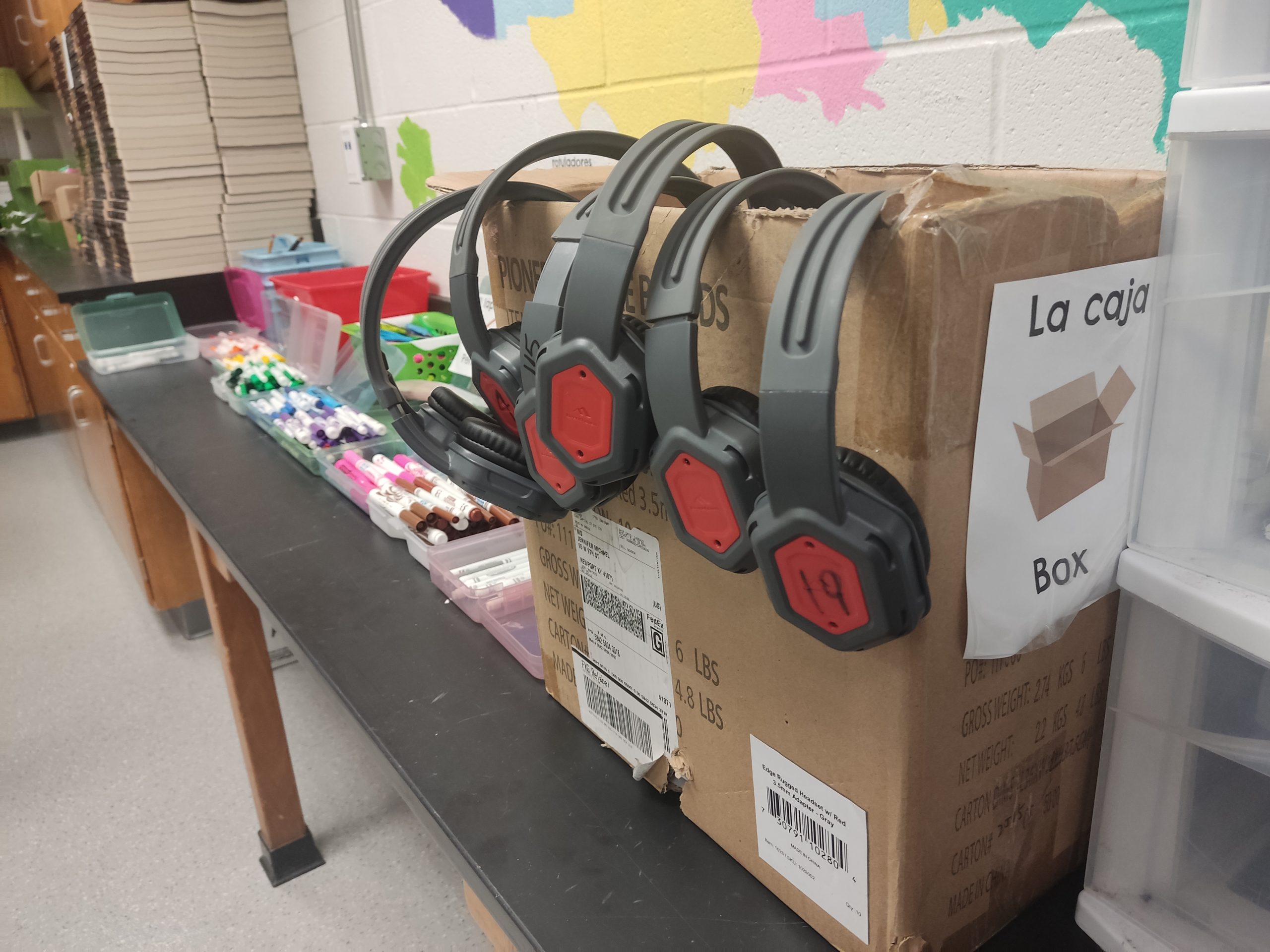
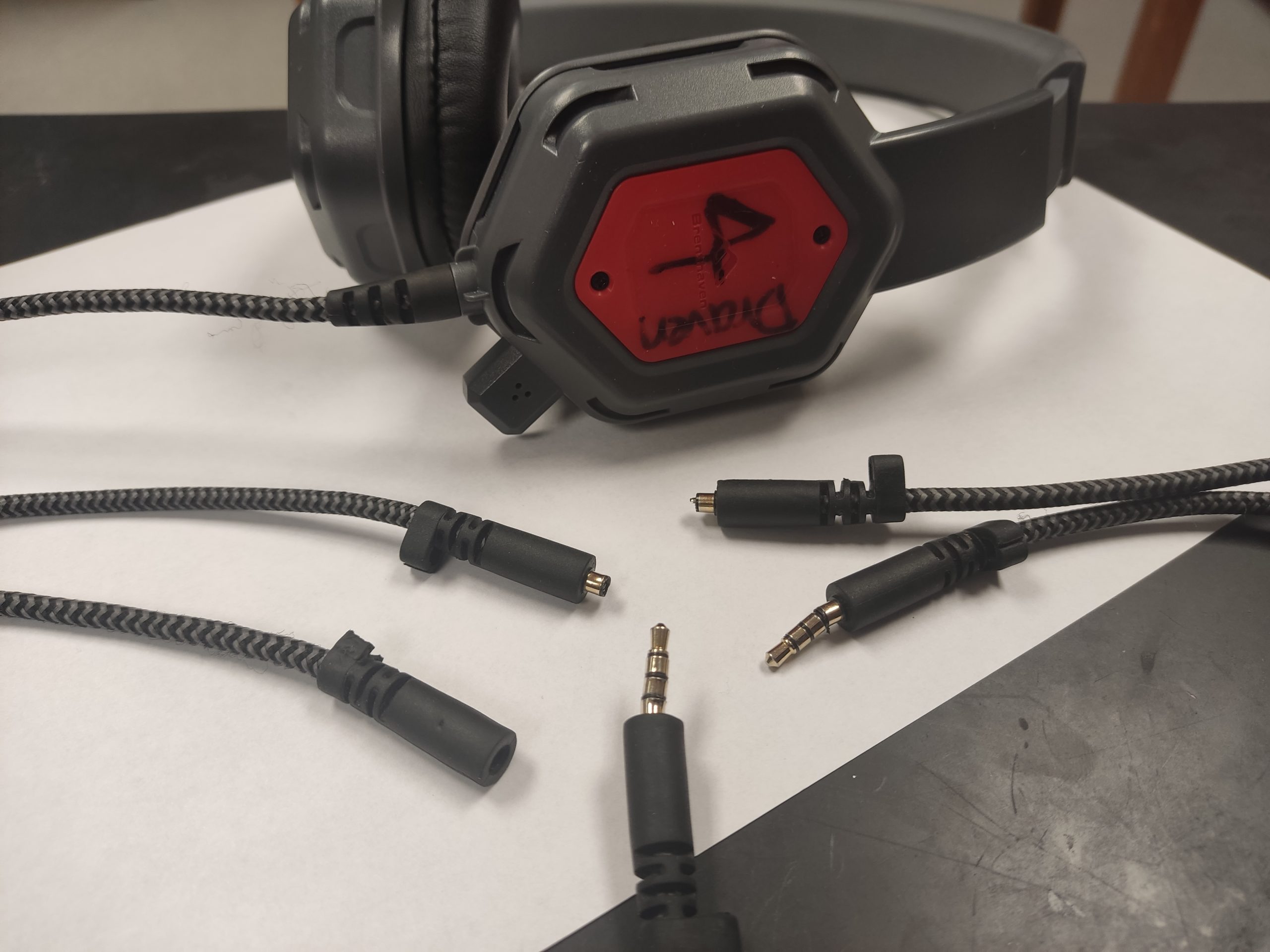
A special case is that of the headphones, which either disappear on me because some kid forgets to return them and strolls out the door, cool as can be, with the loot around their neck; or they turn up broken from the rough use they get, since the kids drag them across the floor, throw them, snap the plug off with all their yanking — and I, who am very careful with these things, feel my blood boil when I see it. Of the nineteen units I was handed at the start of the year, only four remain operational, and by pure miracle. Now I keep them locked away in a cabinet to see if they make it to the end of the year. I have no intention of replacing them — let them take note, if they ever do. The bad part is that without headphones, such a hubbub of sounds breaks out that it can drive you half crazy.
they disappear because some kid forgets to return them and strolls out the door, cool as can be, with the loot around their neck
And that's not to mention the lack of delicacy with which they carry the iPads and Mac laptops all over the school, one-handed, as if they were carrying cheap, plain folders — not a day goes by without seeing one of these devices fall. Since they come with a good rubber case protecting them from the constant impacts, and the kids don't have to pay for them, they don't grow especially aware or concerned, but that doesn't excuse them from the treatment a tool this useful and expensive deserves.
as if they were carrying cheap, plain folders
— Are you okay? You seem stressed? — some colleagues said to me the other day. More than stress, it's a bit of exhaustion. Not only from the energy drained in every class, but also from the more than six hours of extra time I put in each week. That accumulated fatigue may be what some people read on my face. A ‘worn-down countenance,’ but worn down by the daily fight of trying to teach, of trying to educate. Yet worn with great pride: bring on those war wounds! We are soldiers of education! Ha, ha, ha! Just yesterday, bending down to unplug the laptop charger — wham! — I hit my forehead on one of the corners jutting out from the whiteboard, and got a nice cut for my trouble, though no stitches required. It was funny because no blood was coming out, but the moment I stepped out one of the side exits of the school, as I closed the outer door I ran into the reflection of my face in the dark, elongated glass running through it and — what do I see on my forehead? A small gash with a little bead of blood caught between clotting and making a run for it. My reflex was to go back inside, but the knob no longer turned and I didn't have that access key, so I decided to risk it, get home as soon as possible and pray it wouldn't get any worse. Light-footed and careful, I covered the 300 steps between there and my apartment, and as soon as I arrived, I patched myself up. Now it's just a light scratch, luckily.
bring on those war wounds! We are soldiers of education!
So on Mondays, Tuesdays and Thursdays, if I come in at 7:15 am and leave at 5:00 pm, that's about ten little hours at the school — but at 30 dollars an hour. It's an internal program the school offers to look after the students who can't be picked up at 3:00; they stay two extra hours and are given a second lunch and review activities, as well as some workshops: comics, theater, martial arts, soccer, cooking, visits from the aquarium staff, et cetera. In the end it comes out to about 22 dollars an hour after taxes take their little bite, but in the long run it's good money. In a month, for example, it covers half the rent. Since I'm lucky enough to live so extremely close by, and given my shortage of obligations, I can invest these hours without much trouble. After all, I'd be doing the same at home, only sitting on the couch, writing or reading. So, if from 3:00 to 4:00 pm I provide support reviewing Reading or Math with the 3rd grade little ones, then from 4:00 to 5:00 pm I either help some other teacher with their workshop or devote it to my own. On Mondays, for example, I have the Spanish club, where I polish what we worked on in the previous classes: cutouts, drawings, word searches, songs, online games, puzzles and other activities; and even alternative creations come out of it, which I then apply again in the morning classes.
Consequently, if I arrive at school somewhat unhurried, slow, calm, or as if on stand by, it's not yet from stress but from sheer wear and tear, from lack of energy. Apparently the procession marches on the inside, and it doesn't happen only to me. I see it just the same in the faces and comments of some colleagues. I notice we're running a bit short on enthusiasm and long on frustration. And it's not as if I see my own face much, but surely this week I must have looked like those exclamation marks, only without the dots: a ‘want-to-but-can't,’ basically.
this week I must have looked like those exclamation marks,
only without the dots
Nevertheless, since in this ‘guild’ we always try to look for solutions, in the next installment of this article I'll begin to cover some of the activities, strategies and methods that have brought me the greatest success and failure since the school year began. I'll go over the ideas and tips that have emerged during these first six months on the front line and, of course, I'll summarize and analyze the Olympics project, which starts precisely next week, with soccer as the star sport.
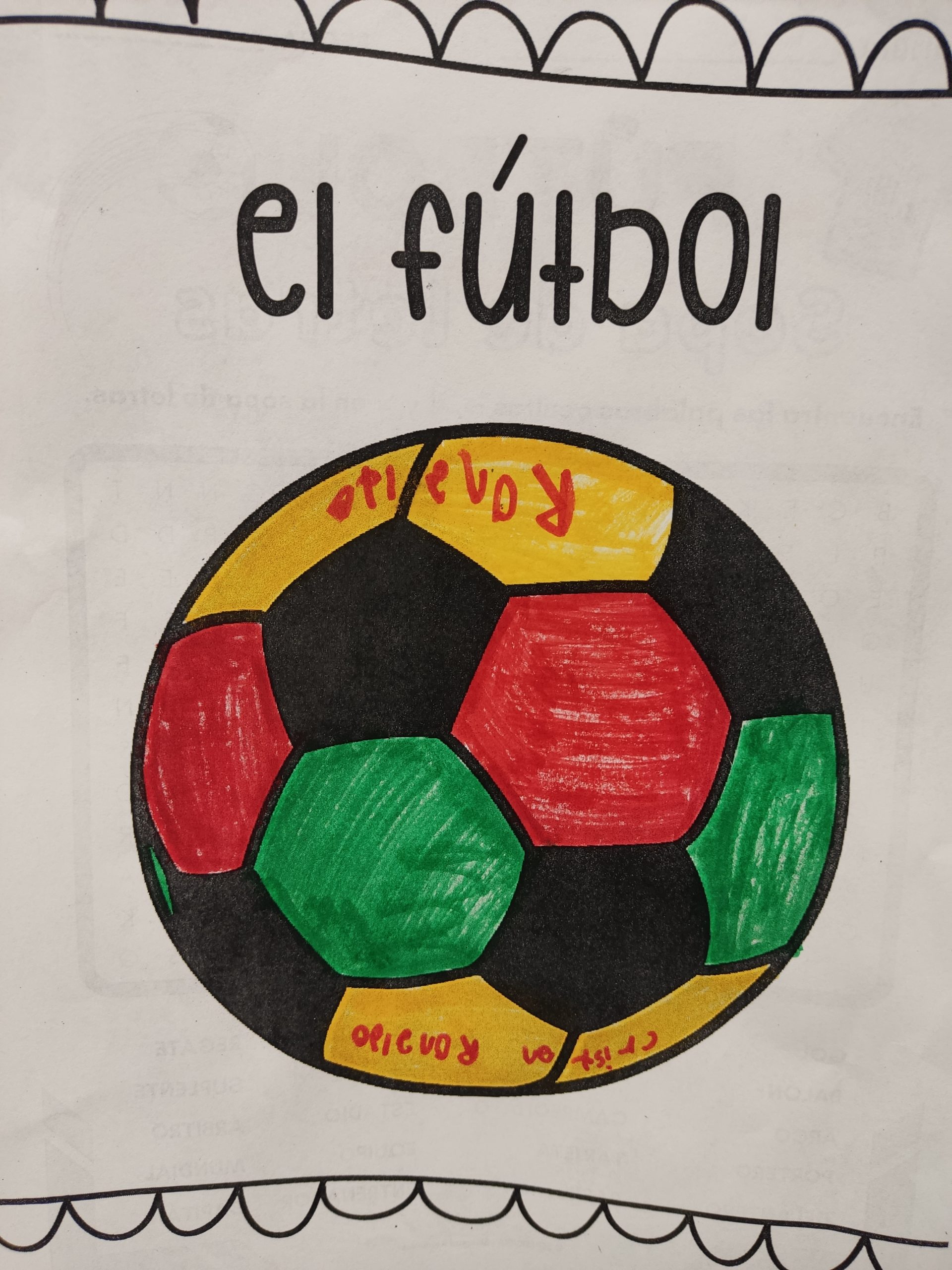
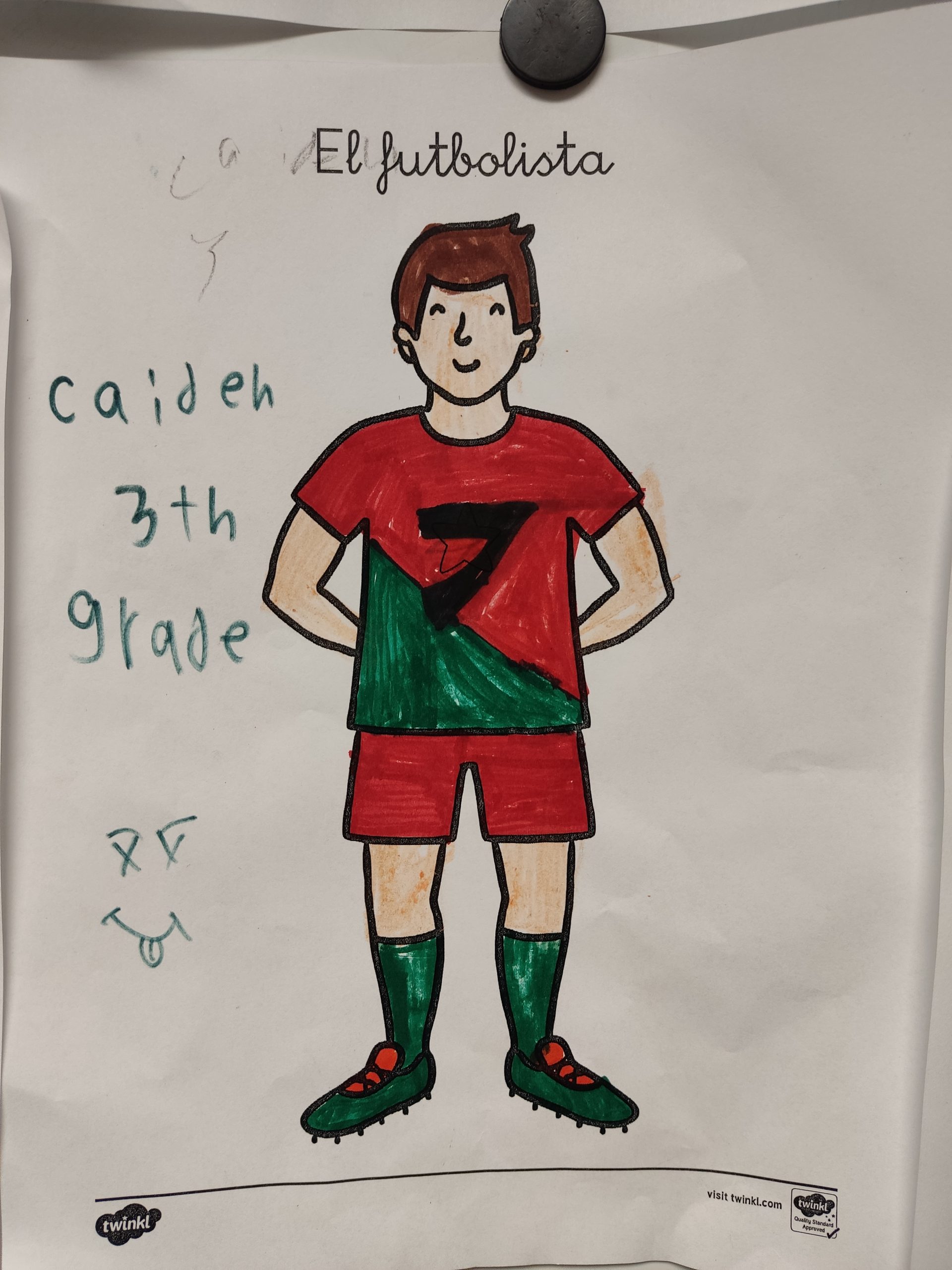
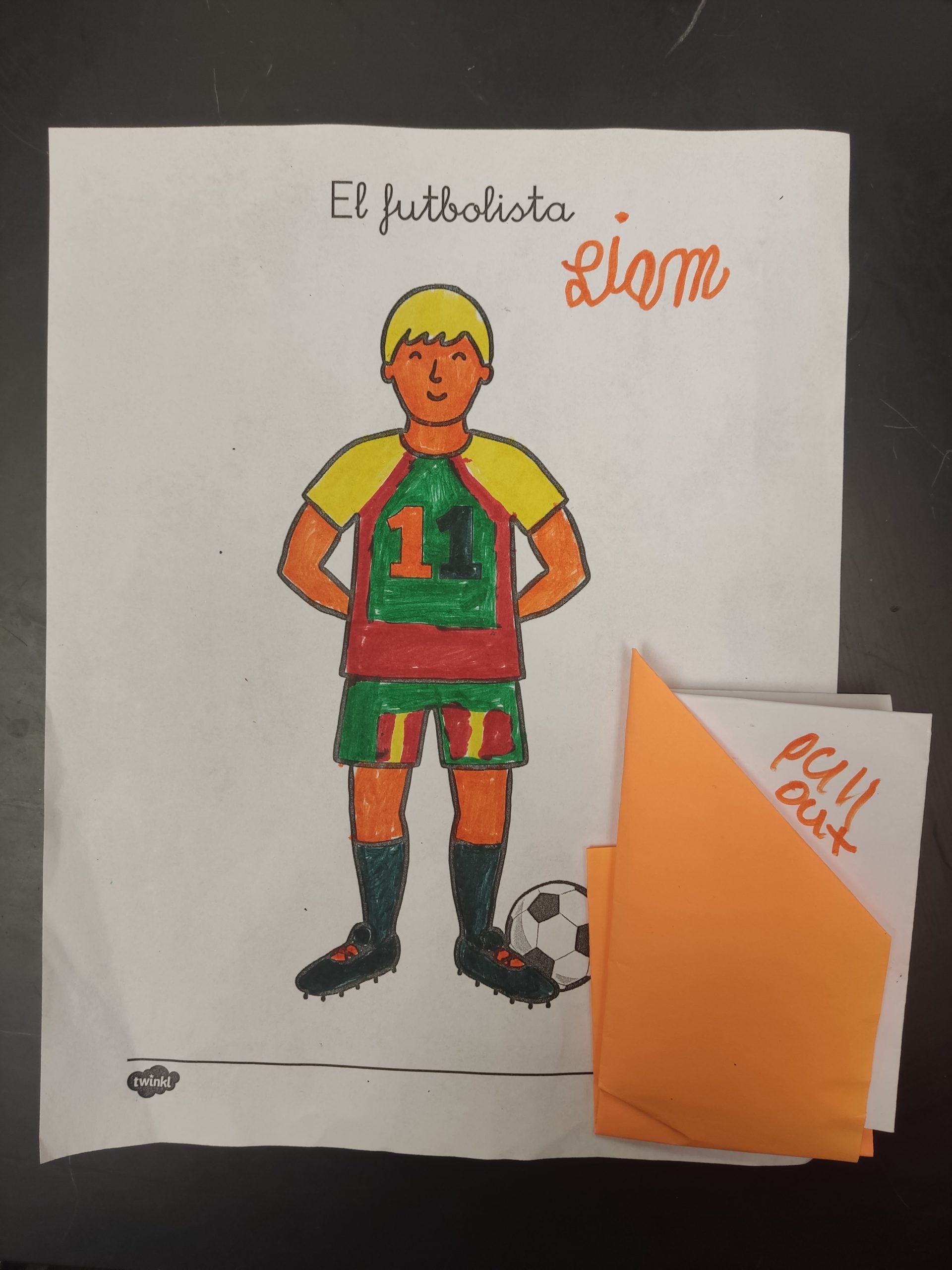
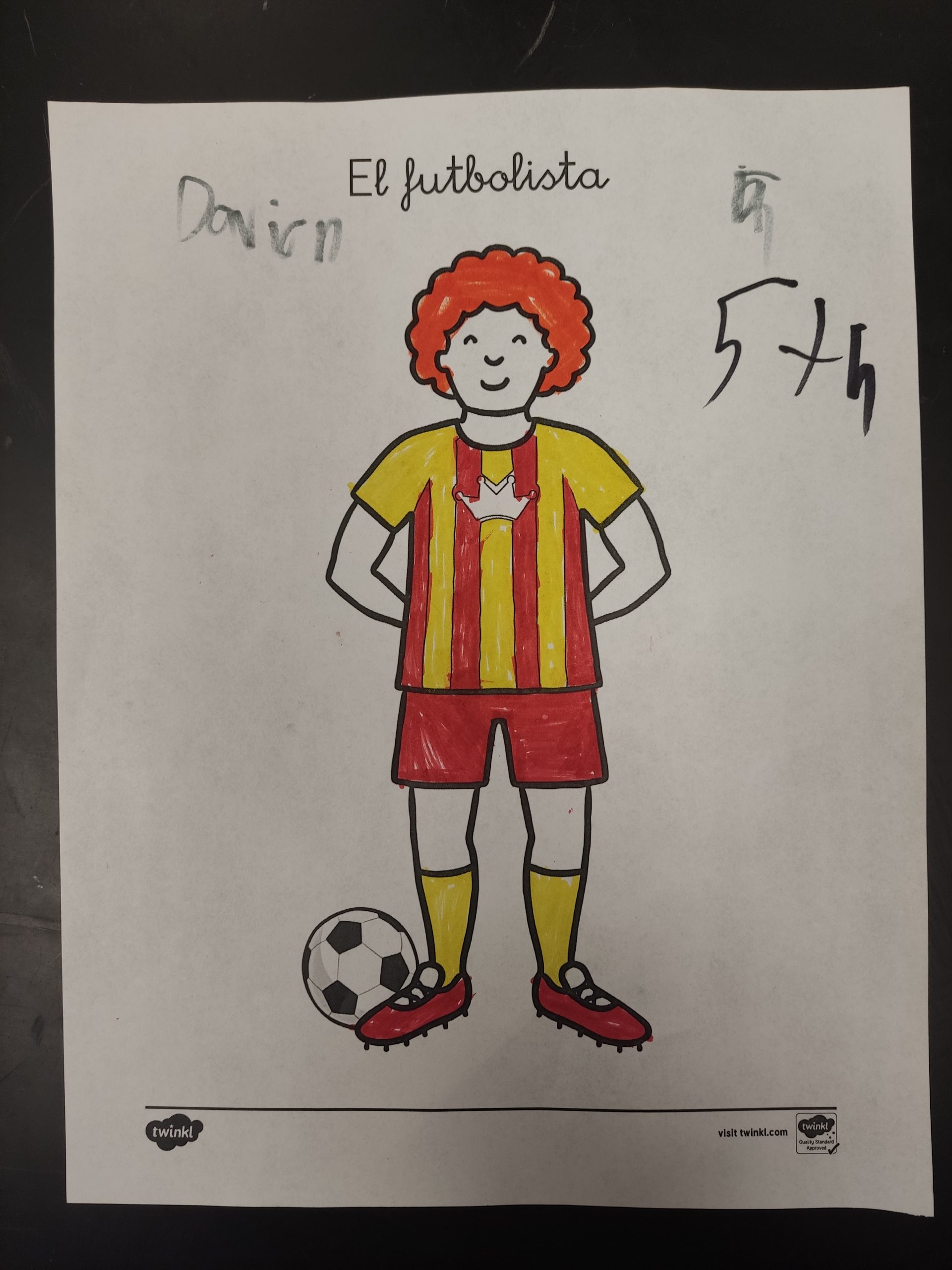
– Next post in 15 days, Sunday, March 31, 2024. Kentukiana 9: ‘Like All Madmen’
Comments (22)
Maria Luisa
Jajajaj, me hace gracia escuchar lo de los lids de los markers. Eso se batalla desde pre-k y kinder y veo que sigue hacia futuros cursos. Es lo que tiene este país en que los niños tienen de todo y nadie les ha enseñado a cuidar nada. Les falta modestia y humildad, creo yo. Y ese agotamiento es de muchos, muchos, hasta el punto de que uno "compara" y elige si España o esto, jajaja. Mi respuesta es clara.
Jorge Duro
Quê sorpresa saber que desde peques se batalla con el ¡poned el tapón a los rotuladores! Y puede que hayas acertado, pues en este país norteamericano a los niños y niñas no se les enseña esa modestia y humildad. Podríamos educar más en valores y no dar tanto contenido y sobreinformación, ¿para qué? si luego se olvida. Yo al poco de estar ya por aquí, sabía que a España no la iba a cambiar por casi nada.
Nefeline
Esta anécdota me ha llevado al recóndito pasado infante donde por suerte mis educadores también sintieron que las hojas de papel con dibujos alzaban la voz para ser rescatadas (ahora tengo algunas joyas más por ahí), y otras a las que después yo misma supe tenerles misericordia, porque lo aprendí. Pintar el mejor camino entre las vicisitudes de la educación, requiere de un lienzo fuerte y preparado. El modo en que dentro del aula, cual alquimista, transformaste la intención de un papel arrugado y desechado en una segunda oportunidad, es una lección sobre la sensibilidad en lo aparentemente insignificante. Y es curioso porque ese día también lo transformaste aquí con la claridad de tus letras y su esfuerzo. Ya no es solamente un día caótico de la vida como un guerrero docente, es ahora algo escrito, significativo y perdurable.
Desi
Es precioso cómo transmites tu pesar y desventuras con tanta elegancia… Además de expresar y engrandecer tanta vocación como tienes fortaleciendo en cada sesión… Sigo recogiendo la enseñanza en cada entrega y esto me hace valorar el poder seguir tus pasos y aventurarme a dar el paso o quedarme cómodamente en mi pueblo español preguntándome algo parecido de ¿cómo me habría ido a mí? Gracias siempre por tu sinceridad y dosis de maestría en cada entrega Jorge… ¡Eres un crack! ¡Mucho ánimo! 💪🏻😘💪🏻🇱🇷
Aitziber
Kaixo, soy de las que piensa que solo puedes contar con tu trabajo y consecuentemente responder del mismo, pero no te fustigues, muchas de las carencias de los/las estudiantes no nos corresponde a nosotros responder de ellas. ¡¡¡Mucho animooooo!!!
Lucelia
Me ha encantado tu artículo, desde el comienzo hasta el final. La manera en la que lo redactas es emocionante, refrescante, clara e informativa. Me ha enganchado la historia desde los 'bajialtos' jaja, hasta con lo que harás sobre el proyecto de las olimpiadas. Por la mitad de la lectura, me ha intrigado saber qué edad tenían tus alumnos y cuando he leído lo de tercero de primaria, he entendido tantas cosas. Tengo un peque de 8 años y sé de lo que hablas, es como si estuviera sordo, pero no me rindo ni me rendiré porque, como dices, la educación hoy en día escasea, se han perdido muchos valores y para que los alumnos no hagan muchas de las cosas que comentas, la educación precisamente tiene que comenzar en casa. Así que mucho ánimo, porque la labor que haces tal y como te leo es laboriosa y de lo que se siembra se cosecha. Veo que amas tu trabajo aunque estés agotado y es normal, precisamente porque te esfuerzas este agotamiento existe. Seguiré leyéndote. Excelente artículo.
Manuela
Por un momento me vi de nuevo en aquellas clases con 40 compañeros cada uno de nuestro padre y madre. Sí, ser profesor no es fácil, tengo en mi familia tres profesores y así dicen. Sin embargo yo me pongo en vuestro lugar y saber que puedo estar ayudando a dar los primeros pasos a aquellos que un día moverán el mundo: políticos, mensajeros de ONG, arquitectos, médicos…, es totalmente ilusionante. Saludos.
Fénix Carmona
Interesante, como siempre. Sería genial un post sobre gastronomía yanqui. Tanto a nivel escolar como de tu día a día. ¡Un abrazo!
Virtu
Puedo imaginar con total precisión una de tus clases. Paciencia y empatía, sin duda son las claves para sobrevivir y no morir en el intento. La experiencia lo es todo. Nadie nos prepara para nada, ni siquiera para navegar por la vida, ni para ejercer de padres ni, por supuesto, para hallar soluciones a los conflictos de clase. Ensayo y error, así funciona, y mucho pero que mucho sentido común. Gracias por compartirlo, me hace recordar mis primeros años al frente de un alumnado, podríamos decir que «especial». Un abrazo. Por cierto, lo del rap me parece una buena idea, yo lo intentaría…
Jorge Duro
¡Marchando pues una de gastronomía! No sé si tú y yo estamos conectados de alguna forma, pero este mismo tema que me sugieres lo estuve precisamente hablando con Javi, el webmaster del blog, y la verdad es que será un buen artículo. ✍️📝
Jorge Duro
Es fantástico saber que te he llevado a tus tiempos de niña, de escuadras y cartabones, con esos educadores que por suerte tan buenos tuviste, dándole vida a los bocetos que por desgracia no acaban siendo dibujos, pero que después serán precisamente casi obras de arte. Gracias por lograr hacer aún más eterno el presente escrito.
Jorge Duro
Te animo a dar el paso y romper con tu zona de confort pues siempre podrás volver a ella. Gracias por tus elegantes y sinceras palabras. Vuestros comentarios son como soplos de aire nuevo que me aupan a seguir escribiendo.
Jorge Duro
Exacto, simplemente intento hacer mi trabajo sin identificarme siquiera con la figura de profesor. Solo que a veces se nos olvida y entramos en derrumbe. Gracias por tus alentadoras palabras. ¡Agur!
Jorge Duro
Mi más sincero agradecimiento por semejante comentario. Me alegro de que pueda llegar a lectoras como tú y te produzca esa nómina de adjetivos con las que tildas mi escrito. A partir de hoy, llevaré ese agotamiento de una forma más altiva, pues como bien dices, es parte de este trabajo. Un fuerte saludo.
Jorge Duro
Sí, yo recuerdo que en 8º de EGB éramos 38 alumnos. Se trata e educar más que te de enseñar unos contenidos. Se trata de que aprendan a ser más personas que meros libros de información. Saludos.
Jorge Duro
Paciencia y empatía qué grandes habilidades. Si en los colegios las enseñáramos más en el alumnado, todo iría a mejor. Más valores y menos contenido es lo que (nos) hace falta.
BEEZ
Well written account of some of the battles we fight as soldiers/warriors of education… a.k.a facilitators of life….' do you know the way?' …we are here to help show the way…. Humans are the same no matter '»where you're from»…in the sense that our basic needs of 'humanity' must be authentically met with sincerity. Growth does take time and mastery takes practice. Kids are kids…show them the better way. They are lucky to learn from you and have your support ! Cheers!
Alba
El tema de la educación emocional es para dedicarle horas, días, semanas, cursos… Es cierto que no nos preparan para afrontar las mochilas emocionales de nuestros alumnos, porque tampoco nos prepararon para llevar las nuestras. No sabemos qué hacer con nosotros, imagina con ellos. De verdad que me ha parecido un tema sumamente interesante y del que habría que hacer unas jornadas o algo. La figura del «speech» yo la añadiría a los colegios españoles. No sé en otras comunidades, pero en Andalucía existen los orientadores, sí, pero creo que las funciones son bastante diferentes a las del «speech». Por otro lado, qué risas con la pronunciación de ciertas palabras, de verdad. Creo que a mí me pasaría exactamente igual. Es cierto que la paciencia es un superpoder, y ser docente está mal pagado. De verdad que sí. 😂😂
Jorge Duro
Totalmente de acuerdo contigo Alba. La educación emocional es algo que siempre nos dejamos en el tintero, cuando debería ser de lo primero. También muy cierto lo de introducir la figura del «speech» en nuestros colegios e institutos. Respecto a la pronunciación no veas la de bocas que se abren cada vez que pronuncio «beach» o «sheet», jajaja. La paciencia es un superpoder del mal pagado maestro, pero la satisfacción de educar a estos chicos debe llenarnos mucho más que todo eso.
Jorge Duro
PRIMERO TRADUZCO Y LUEGO RESPONDO: Un relato bien escrito de algunas de las batallas que libramos como soldados/guerreros de la educación…, también conocidos como facilitadores de la vida… '¿conoces el camino?' …estamos aquí para ayudar a mostrar el camino… Los humanos somos iguales sin importar "de dónde seas"…, en el sentido de que nuestras necesidades básicas de "humanidad" deben ser satisfechas auténticamente con sinceridad. El crecimiento requiere tiempo y el dominio requiere práctica. Los niños son niños… muéstrales el mejor camino. ¡Tienen suerte de aprender de usted y contar con su apoyo! ¡Salud! RESPONDO: I liked that 'Growth takes time and mastery takes practice'. To continue growing and practicing then. Thank you for comment TRADUZCO: Me ha gustado eso de 'El crecimiento requiere tiempo y el dominio requiere práctica'. A seguir creciendo y practicando pues. Gracias por comentar.
Virtu
Gracias! Me gusta leerte porque escribes bien, y transmites de una manera sencilla, directa, y que da la impresión de que estamos de charla en una barra de bar con unas birras. Y también, porque eso que estás haciendo con tus alumnos, es bastante similar a mis intentos, a veces frustrados, de lograr llevar a cabo mi plan de clase. Me identifico bastante contigo, especialmente en mis tres primeros años, que, como te dije, estuve al frente de alumnos entre doce y quince años, en un barrio marginal y con muchas complicaciones. Pero salí indemne y quiero pensar que dejé alguna huella en muchos de ellos. Para mí eso es lo más importante.
Jorge Duro
Por supuesto que dejamos huella Virtu. Me sirve de mucho esa analogía que haces estando de charrera en un bar, me gusta la idea jajaja. Escribo para mí mismo sin tener muy en cuenta al lector, pues si no, no sería yo.