Kentukiana
KENTUKIANA 4: 'The Limits of My Language' (Part I)
By Jorge Duro · January 7, 2024
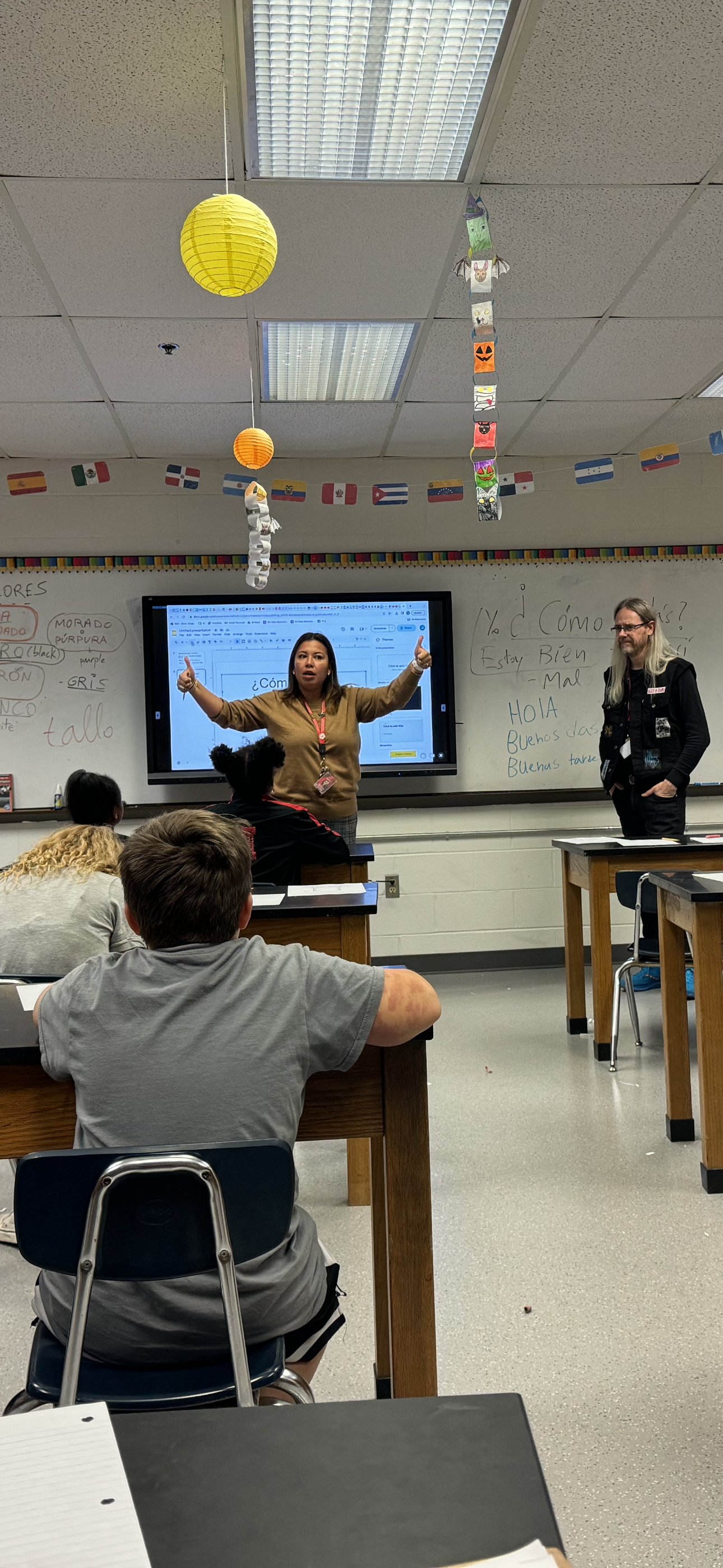
I think my students have started to see me as an alien who speaks in jotas, zetas, and erres. On top of not quite knowing where Spain is, one student asked me if it was in Russia, the language does ring a bell to them, but only because of their South American classmates. Speaking of which, have you ever wondered how Spanish sounds to people who don't speak it? And to a kid who is just starting to discover it and can't even place Spain on a map? In this video, What Languages Sound Like to Foreigners, Ariin Beijing shows it in a very humorous way.
German singer Till Lindemann, frontman of Rammstein, pronounced it almost to perfection in this cover of ‘Entre dos tierras‘ by Héroes del Silencio, which he recently performed with his band during a live show in Monterrey (Canada). Notice how he nails those rolling Rs: hats off!
It's like something out of a movie, the faces they make in class when I start speaking to them in Spanish: some laugh, others put on a puzzled face, and there are even those who get mad. Anyway, I can imagine that at times the phonetics of our language may sound to them like the "tick tick" of a typewriter, or like the lid of a boiling pot going "tataratatatatata!".
- Audio of what Spanish sounds like to some students.
Joking aside, it is a language that captivates and hooks you, as confirmed, to cite just a few examples, by the countless songs heard across more than half the world, or the huge demand it is stirring up right now, especially here in the U.S. Spanish, we can safely say, is in vogue and will remain so, since besides being the second or third most spoken language, from a sound standpoint, while to some it sounds funny, for others it entrances the soul.
In fact, a game I love to try with them in class is imitating languages of the world, playing with their most distinctive sounds so they can grasp their musicality and notice the different sensations these can stir in them. So, while I set about imitating accents from around the world, I try to get them to see languages as songs too, and their speakers as singers, since each one makes a kind of music when speaking, unique and original. Such is the richness of human language.
a game I love to try with them in class is imitating languages of the world,
Well, this is precisely what you have to know how to convey to the student, so they start to see language learning as something appealing and cultural, as something artistic and entertaining, which they are, and not as an obligation and a bore. So I challenge them to imagine the sound of the ‘menorquí‘ of Menorca, and since that one is closest to home for me, I let loose a little with the classics: –I dooo! cum anamm? Tut bee? Qué vol dir que no? eh alot? Nam ca pa avant, nam ca pa avant. Nam i doooo!-. Right after that I move on to German, so, switching to a much loftier tone, I declaim to them: –nain, nain, nain! Doitschland ist ain bundeshoenes lant, beisch du main froind?-; and the first jeers and belly laughs begin. Quickly, so they don't drift off, I ask them: -and what would French sound like to you?- upon which I murmur them a delicate –ooohh madam mon amur, a tu le mond ne me qui te pah, ne me qui te pah, si vu plé madumasel!-. Then the laughter takes off, even from the tables at the back. I carry on and move to the Italian ‘lingua’. Before that, I press the fingertips of each hand together in a pleading gesture and, with an Argentine-style accent, I implore a "per favore ascoltami ragazzo, perqué litaliano e molto simile a lo espagnolo!", and from there I head off to ‘portuguesh‘: –meu nome é Ronaldo e sou o melhor jogador do mundo: Purtugal!-. Then I get daring with Arabic, of which the only thing I know how to say is: –Habibi habibi, salam aleikum, aleikum salam-, and I even go for American English, for which I warn them, tongue-in-cheek and in full comic mode, that I would first need to stick a potato in my mouth to pronounce it properly, and so, swinging my arms like someone dancing ‘hip hop’, I proceed and tell them: –ouh mai gosh, eve-ry-thing okay? Iu nou mai friend! Aim ve-ry gud, ve-ry ha-ppy tu bi wiz iú. Bi water mai frend, bi water!-. Then, very quickly and before they can hurl their chairs at my head, I leap over to the Asian continent and challenge them with a -come on, and what does this sound like to you?-, for which I make up a –ni hao! Wo chiang chéngwéi. Shin Chan Chaina taon– and by then you've got them rolling with laughter on top of the tables, with the odd one playing broom across the floor. Suddenly someone shouts: -chainís!- meaning Chinese, and I salute them with a slight bow of the head while joining my palms together in reverence: –shi shi!-, ‘thank you’.
I challenge them to imagine the sound of ‘menorquí‘ (…):- I dooo! cum anamm? Tut bee? Qué vol dir que no? eh alot? Nam ca pa avant, nam ca pa avant. Nam i doooo!-.
–Habibi habibi, salam aleikum, aleikum salam–
All of this is best done with a bit of ‘theatrics‘, exaggerating the accents along the way to grab more of their attention, so if they have a good time and learn on top of it, bingo. Then you hand out some differentiated activities, in line with what you've explained, which you have designed on purpose beforehand, and you set them to work individually or in teams, with a computer or without one. The menu of activities, therefore, can be as broad as it is varied: differentiated. And with this comic intro about languages I try to ‘hook‘ the crowd. Or weren't they cracking up all through class?
differentiated activities, in line with what you've explained, which you have designed on purpose beforehand
To finish, I return to Spanish and greet them e-nun-ci-a-ting: –BUE-nos DÍ-as, YO me LLA-mo JOR-ge Y VEN-go de Es-PA-ña. ¿CÓ-mo TE LLA-mas a-MI-go?-; and once again, silence and faces of astonishment as they try to decipher what on earth I have just said. At that moment I remember the communication problems the great E.T., the extraterrestrial, once had when he tried to explain to Elliot that he wanted to head back to his little home: "Mi CAAA-sa, te-LÉEE-fo-no", and I once again feel more alien than human, speaking in jotas, zetas, eñes, and erres, as if they were sounds from another galaxy.
I remember the communication problems the great E.T., the extraterrestrial, once had when he tried to explain to Elliot that he wanted to head back to his little home: "Mi CAAA-sa, te-LÉEE-fo-no"

My story, then, could be similar to what a certain character goes through in ‘Sin noticias de Gurb" by Eduardo Mendoza, only without the broken-down spaceship, and in Kentacky, not Barcelona. Feeling as out of place as Gurb himself, I had no choice but to start adopting the different guises the environment demanded of me. In this fashion, one moment I might have to play the part of a dashing teacher before the superintendent's secretary, or before the superintendent himself, Mr. Bolt (to meet him, read Kentukiana 1: ‘Classroom Management’); the next, that of the cool teacher swapping Pokemon cards with the students at school, or that of the party-loving buddy, or even dressing up for the occasion when it's pajama day at school. There has also been a turn as an elf, and even as Darth Vader himself (I'll tell you the reason for that someday). But when it was my turn to squeeze into the teacher-cop suit, oh friends, I didn't like it one bit, for I knew that getting serious could easily lead to anger, and possibly to losing my cool, just by crossing a thin red line.
Feeling as out of place as Gurb himself, I had no choice but to start adopting the different guises the environment demanded of me.

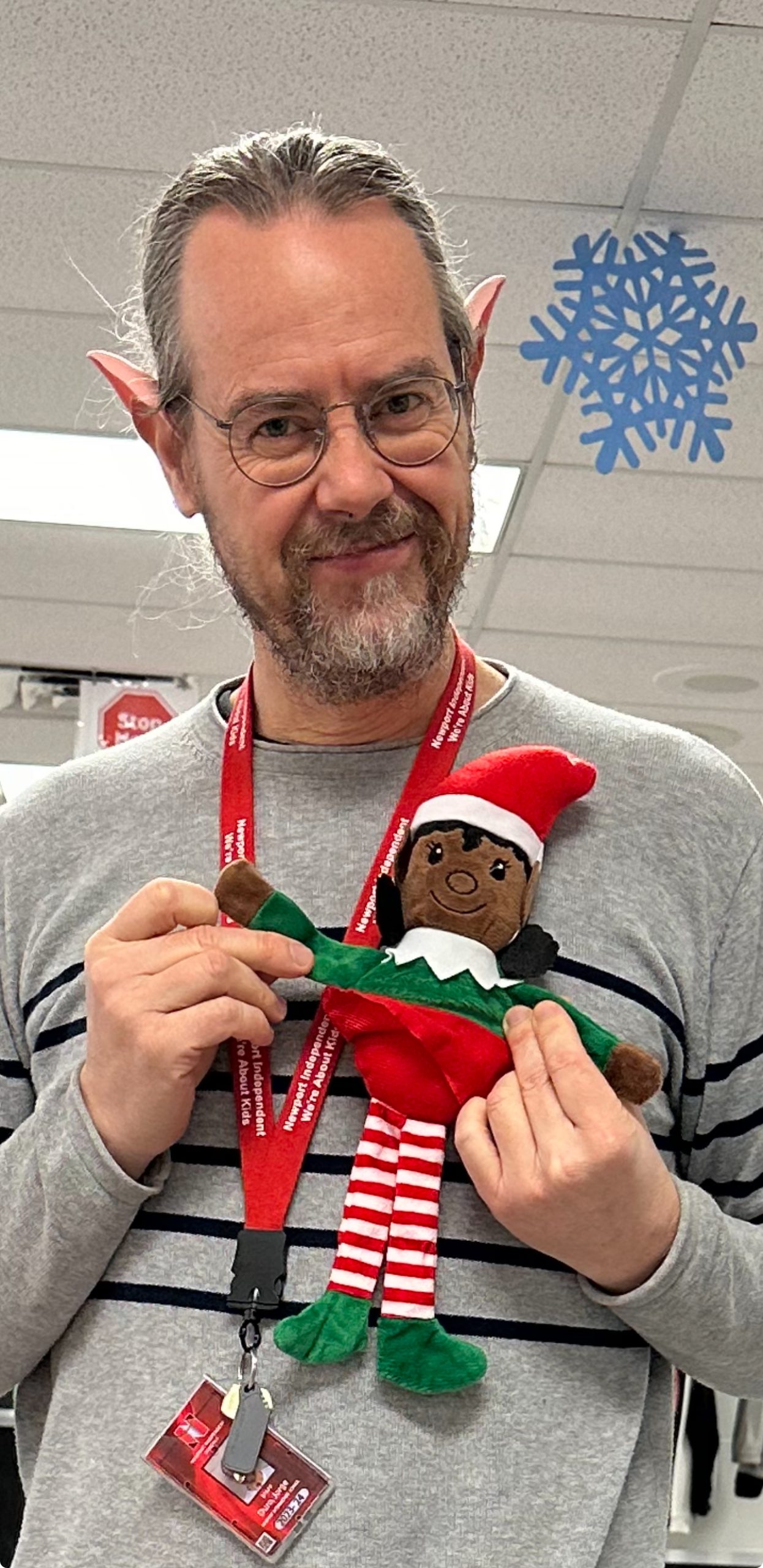
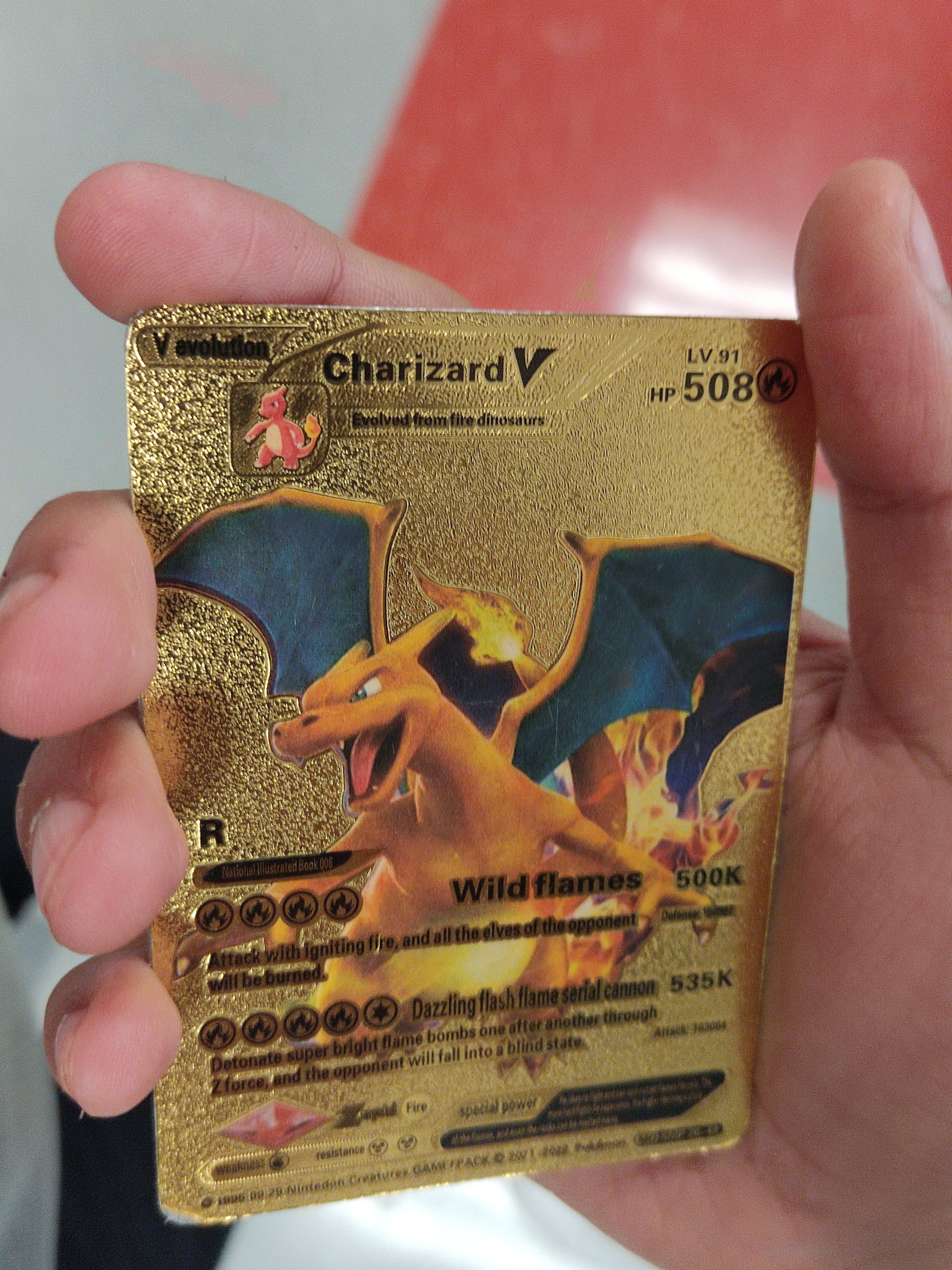
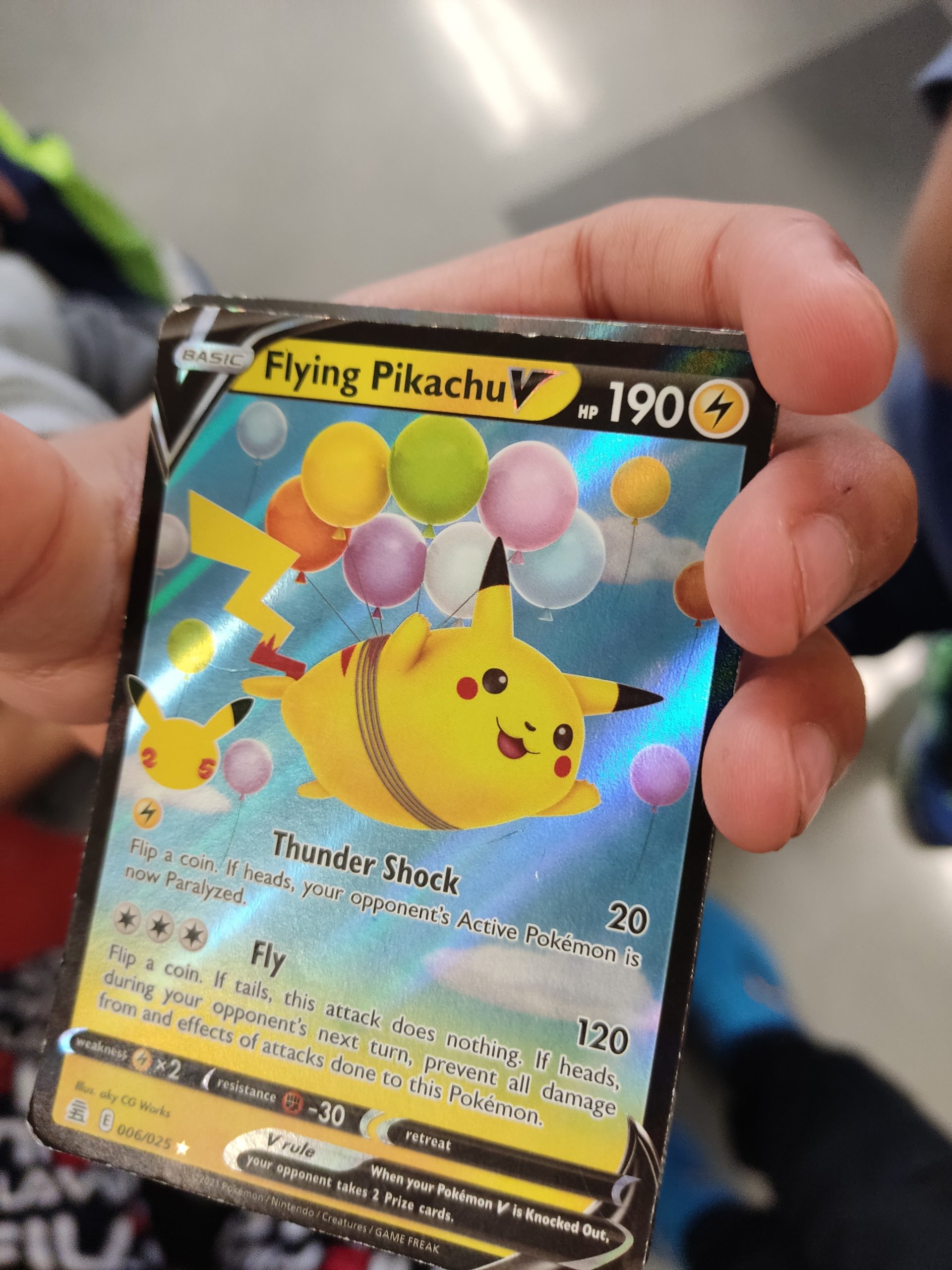
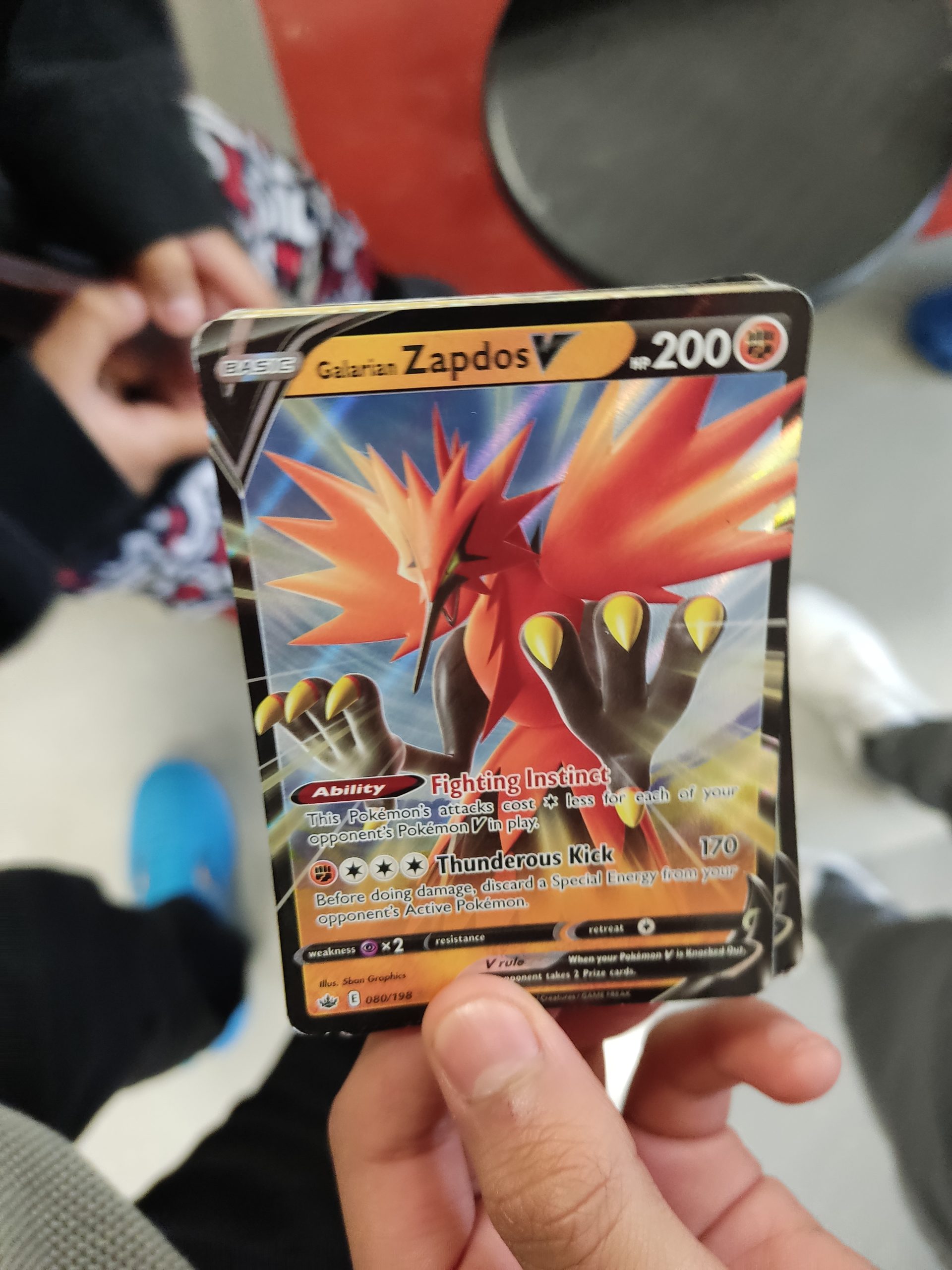
Trading Pokemon cards with the students from Guatemala.
One day, boy did I cross it. I gave them such a scolding, and in English no less, that the support teacher who came that day, who had only been helping in my classes for a month, well, I helped her all right: helped her nearly have a heart attack. It was with third grade, the youngest ones, but one of the groups with the most rascals in the whole school. They had been revving my engines from the get-go. If we add to that the fact that I came in loaded from the previous session, it's no wonder I was already a Molotov cocktail and before long would turn into a ‘ninot‘ from the Fallas of Valencia. My own particular explosion happened spontaneously, for although I was very aware of it and had been keeping it fairly well in check, there came a point when I couldn't even get them to quiet down, and the fuse was lit: Boom! I felt a ball of frustration, rage, and disenchantment rise from my stomach to my throat and from there to my head: the alien was now mutating into ‘Alien’. My eyes started shooting fire and, in a very basic and direct English, quite ‘clean‘ of ‘bad words‘, without reservation or delay I began to berate them: –What it this?! What does it mean?!-, I snapped at them with my stare. I asked them if they could feel, for a moment, what it was like to be standing there after having covered almost seven thousand kilometers by plane over a nine-hour flight, all just to try to teach and help twenty kids. I warned them that in the future they too would have to earn their bread, if not as teachers, then as delivery drivers, police officers, mechanics, nurses, supermarket clerks, garbage collectors, cooks. My senses sharpened so much that I could even hear my own echo in the classroom. –Respect!-, I demanded, not just for me anymore, but for themselves and above all for their classmates who, as always, stayed silent as tombs. Their faces changed expression; their shouts and movements froze on the spot. I decided to pull out the heavy artillery straightaway and went for the emotional angle, telling them that next year they surely wouldn't see hide nor hair of me around there if this kept up. I was deeply disappointed because the same behavior had been repeating itself every single day, and with different groups at that. So what was I supposed to do, deliver the same old refrain to the seventeen remaining groups? They sat there like little wax effigies in a school museum: calm, hypnotized, silent.
I gave them such a scolding, and in English no less, that the support teacher who came that day, who had only been helping in my classes for a month, well, I helped her all right: helped her nearly have a heart attack.
I was so comfortable with how well I was handling my first big telling-off in English that I felt like the captain quashing a mutiny on board, "with a peg leg, a patch on his eye, and a bad guy's face", as Sabina puts it. But those were only brief instants of glory. Suddenly my tongue began to trip, then my words, and even my ideas. My pronunciation started to sound strange to me, as if it sounded like some odd Aramaic. Anguish and anxiety began working their mischief, constricting my throat and my words. I had to rein them in like runaway horses, but one broke loose on me, and I began addressing each little rascal, practically shouting to the heavens, telling them: –I don’t like you! I don’t like you!-. I took comfort in their innocent faces, when moments earlier they had seemed like little creatures from the underworld itself. To top it all off, my mouth kept filling up with judgments and reflections. By that point it no longer sounded like English or anything resembling it, but the young effigies were still there: inert, attentive, patient. An inner voice kept telling me: –don't stop, Jorge, don't stop now or they'll notice!-. And there I was, mediating like a referee between my own words, my fatigue, and the mournful silence my students were keeping. By the time I came to my senses, I looked at the digital clock on the wall and time was nearly up. I told them to pack up and leave in an orderly fashion, and all on their own they began forming up in ‘line order‘. The support teacher, now recomposed, went along straightening the line, and as soon as their homeroom teacher showed up to collect them, they began trickling out like the little grains of an hourglass.
I felt like the captain quashing a mutiny on board, "with a peg leg, a patch on his eye, and a bad guy's face",
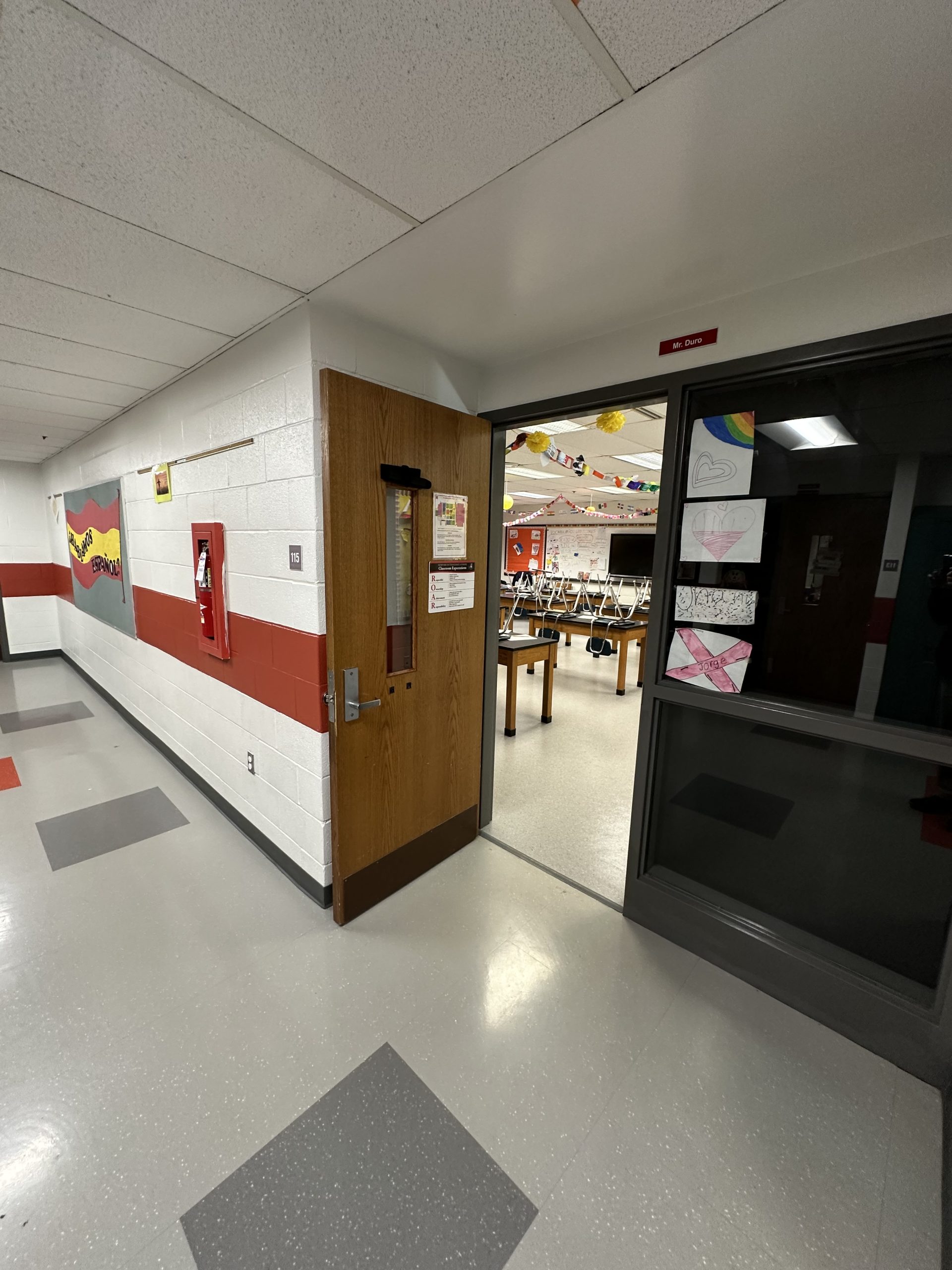
That day, important truths I already knew, but which had been covered up, revealed themselves to me, like learning to keep calm and to manage anger through, for example, the running of the classroom, the famous ‘classroom management‘ they talk about so much; among many, many others, such as the challenge of improving my language competence, the ‘language management‘ of American English.
Let's trust that, since we've come to play the game, we play it well, trying to be that ‘superteacher‘ one always is, only without appearing in Marvel comics, knowing how to transcend those bouts of anger, turning the tables, and making this whole experience a personal joy: so, time to reinvent yourself!
I remember that during the talking-to I gave them that day, my gestures expressed far more than my words, and that's because, thanks to the semantic power of nonverbal language, the message sank in more for how I said it than for what I said. How right Wittgenstein was when he stated that "the limits of my language mean the limits of my world."
– The story continues in the next installment (Saturday, January 13, 2024) – Kentukiana 5: ‘The Limits of My Language (Part II).
Comments (20)
Jessika Magallanes
Me encantó ❤️ ¿sabías algo? Siempre me he preguntado cómo suena el español a oídos de alguien que no lo habla…, y tú hiciste referencia a eso 😍 jaja y me hiciste reír con todo lo que cuentas, además de admirar tu tenacidad y tolerancia con los niños jeje… ¡Espero por más! ❤️
Jorge Duro
Ese ha sido siempre un fenómeno que no ha parado de llamarme la atención: ¿qué tipo de musicalidad percibirán? Sigamos con esa tenacidad y tolerancia de la que hablas. Se le podría llamar una cierta 'empatía', que hoy en día muy poc@s practican. ¡A reinventarse pues! XD
Jessika Magallanes
Es muy lindo como eres en clases… Exactamente por tu empatía… Y sobre lo otro, no imaginas lo que desearía saber cómo nos escuchamos hablando castellano ante aquellos que no saben nuestro idioma… ¿Sonará romántico? O como dices solo un titiriteo, jaja algo así dijiste en tu blog… ❣️❤️
Jorge Duro
Sucede que si permaneces mucho tiempo en un país extranjero realizando la inmersión en ese idioma y un día escuchas a alguien de repente hablar castellano, durante los primeros momentos puedes llegar a apreciar cómo sonaría el español. Me pasó a mí cuando estuve viviendo en Alemania. Sin embargo, hazte la idea que el español o castellano les suena tan bonito como gracioso. Ten en cuenta que es una lengua con mucha más utilización de sonidos vocálicos que consonánticos, donde a su vez sobresalen los sonidos o fonemas de la Zeta, la eRRe, la Jota y la eÑe. La verdad es que todo este tema sobre la fonética y foniología de las lenguas es muy interesante porque al fin y al cabo son músicas que realizamos los humanos con nuestras mágicas cuerdas vocales. En el artículo de la próxima semana, trataré esto en mayor profundidad. Muchas gracias Jessika.
Jessika Magallanes
Ay síi por fa me encanta estos temas… Gracias por responderme…, quedo atenta a tu próximo escrito. 😃😃😃😃
Lluís
Eres un crack… A por ellos no te dejes apabullar… Al principio, como ya sabes hay que coger la paella por el mango y transmitir a los alumnos unos límites que luego te ayudarán a conseguir el éxito… Muchos ánimos y Feliz Año amigo.
Aitziber
La capacidad de expresarse es algo universal que no se limita a las palabras. En nuestra vanidad como seres humanos, olvidamos que en ocasiones una simple mirada basta para comunicarse. Biológicamente estamos hechos para sintonizar los seres vivos unos con otros y la capacidad de hablar es un extra que hemos desarrollado, bien usado, es un arma poderosa.
Marcell
Qué buena descripción de tu experiencia. Las anécdotas, el teatro, las referencias, son imprescindibles para captar la atención no sólo de los estudiantes sino también de los mayores.
Eva
¡Muy interesante y entretenida! Pequeñas batallas diarias peleadas con ingenio ✨mucho ánimo!!
José Luis
¡Nos tienes enganchados a todos con tus crónicas! Enhorabuena y paciencia, que tu saber hacer y tu empatía acabarán por hacer escuela. 😊
Jorge Duro
Qué de elogios me escribe usted. Bienvenidos sean. Muchas gracias.
Jorge Duro
Que nunca nos falte el ingenio, tan necesario hoy en día.
Jorge Duro
El 'teatrillo' como lo llamo yo es imprescindible para la vida en general.
Fénix Carmona
Qué profe más crack. Yo hubo una época en la que conseguía hacer un click para disociar y escuchar el español como si no lo entendiera. No sé cómo lo hacía, pero mi cerebro ya no es capaz. ¡Abrazos desde el Reino Nazarí!
Jorge Duro
Ese click del que hablas se consigue cuando pasas mucho tiempo en un país extranjero inmerso en su lengua y cultura. Me pasó algo parecido cuando estuve casi dos años de alumno Erasmus en Alemania, así que te comprendo perfectamente Fénix Carmona.
Jorge Duro
Echarle 'teatrillo' a la vida es lo que me ha salvado de muchas querido lector.
Jorge Duro
Correcto, por ellos debemos aprender a expresarnos mejor, sin circunloquios, sin mentiras, sin guardarse las cosas dentro. Ahora la práctica es otra cosa, lo sé. Pero para eso estamos, para mejorar. Gracias por tu reflexión.
Jorge Duro
Crack, crack, crack. Voy a por ellos cual Quijote embistiendo a los molinos, ahora que me la pegue o no es otra cosa. Gracias por tus consejos y felicísimo año amigo.
Marcelo
Amigo, tus letras cada día día hablan de esas experiencias de vida y de tu caminar. En verdad tienes un talento muy natural que puede llegar a ser incluso medicinal para el escritor y el lector. Mis respetos y saludos.
Jorge Duro
Talento natural y medicinal. Cómo en tan pocas palabras puedes describir tanto. No te perderé la pista Marcelo (@nome_dplume). Gracias.