Kentukiana
KENTUKIANA 7: 'Fútbol' at School
By Jorge Duro · February 24, 2024
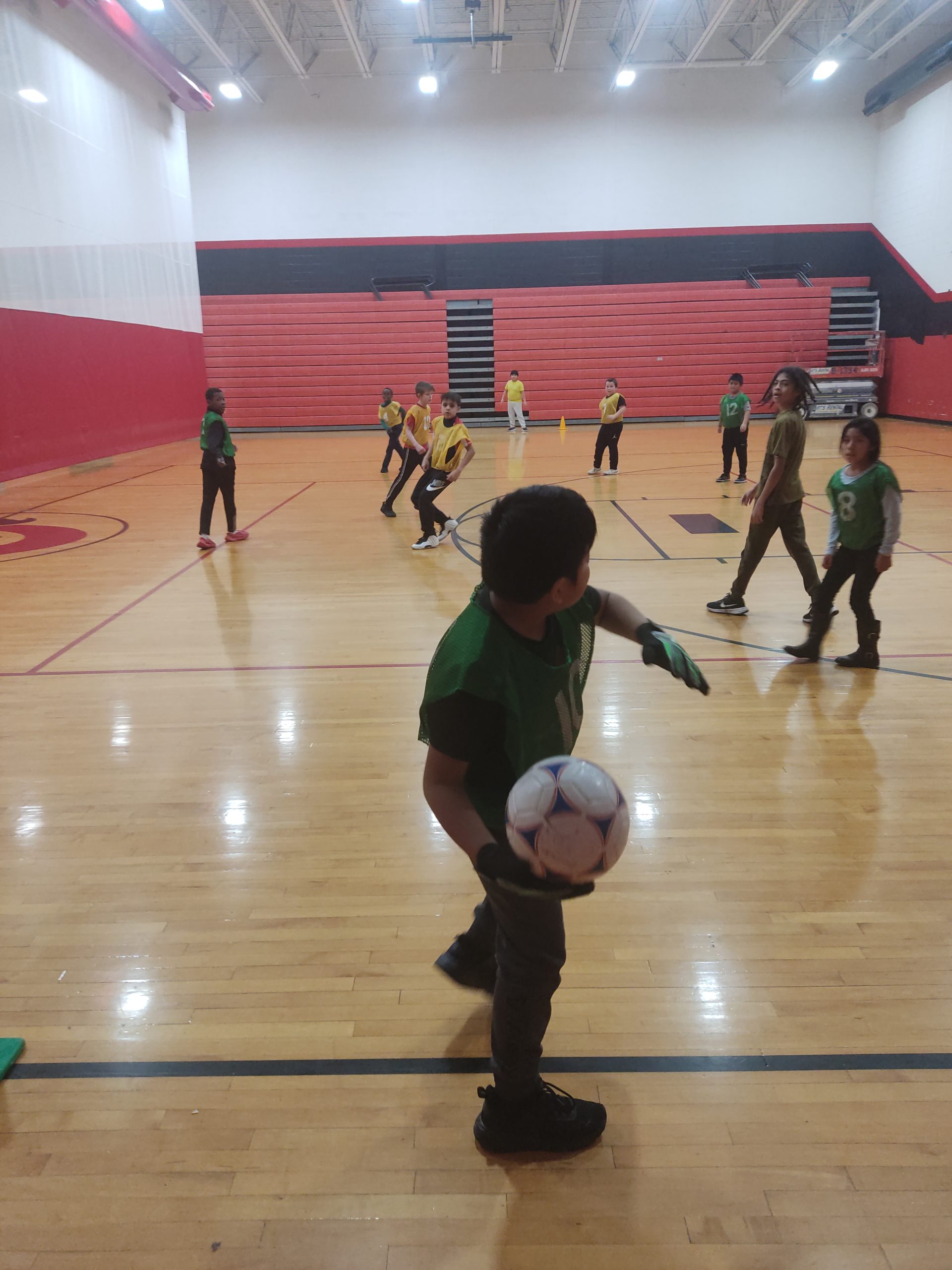
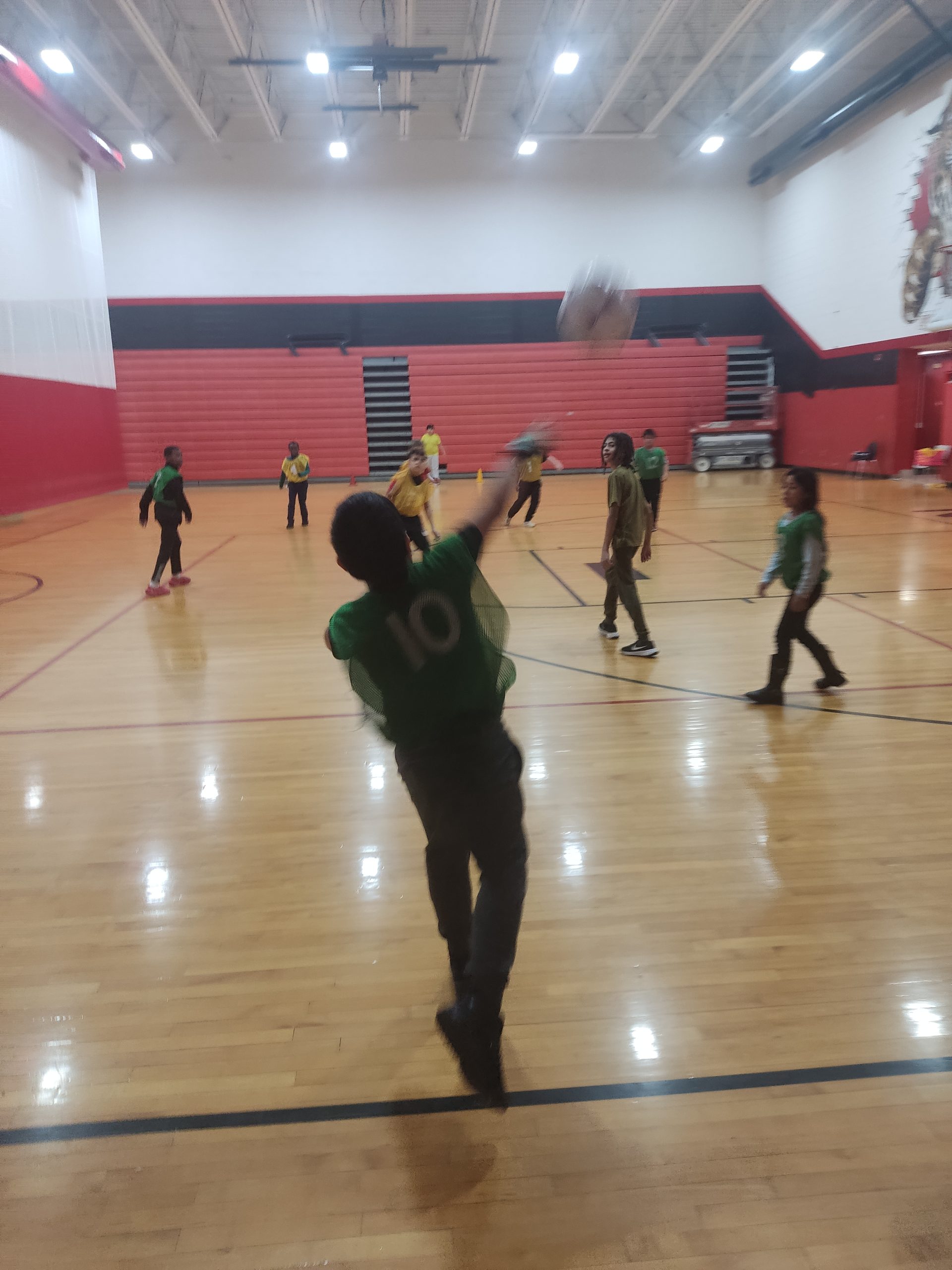
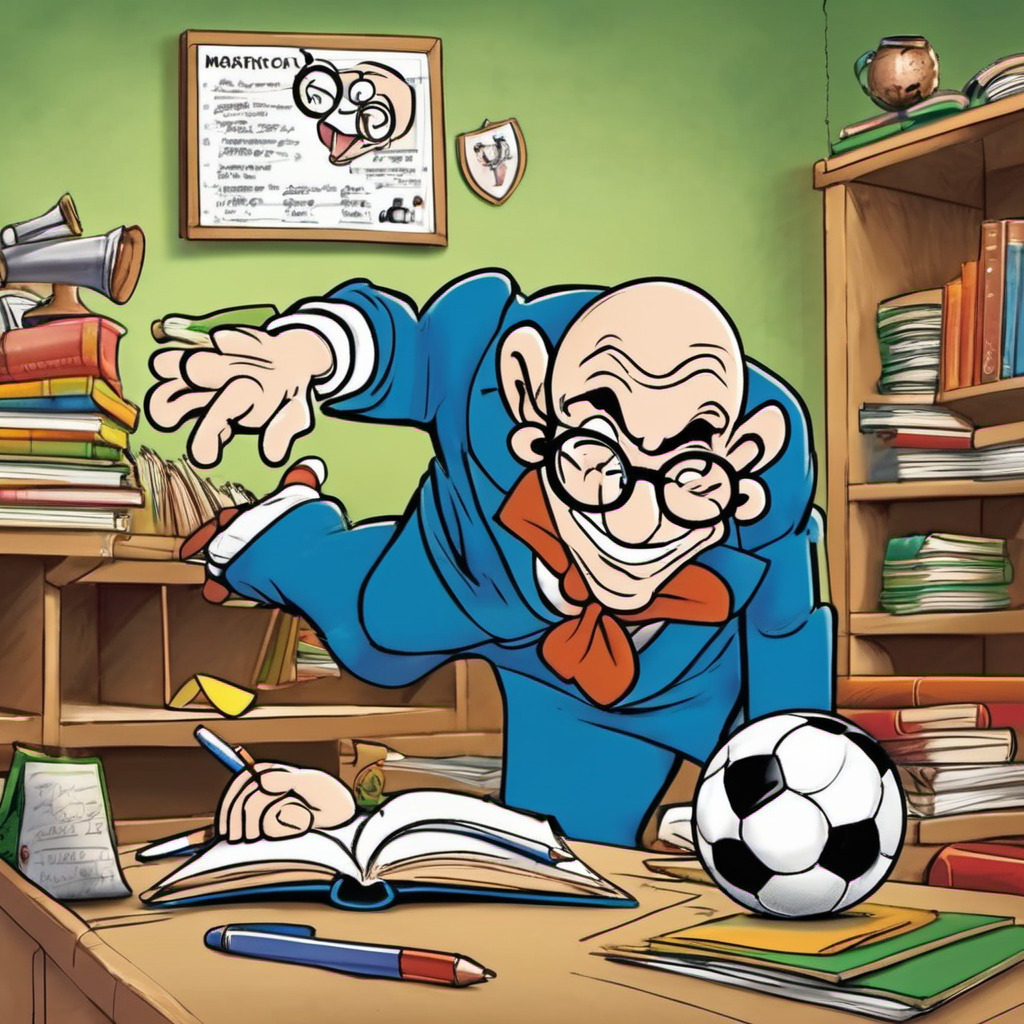
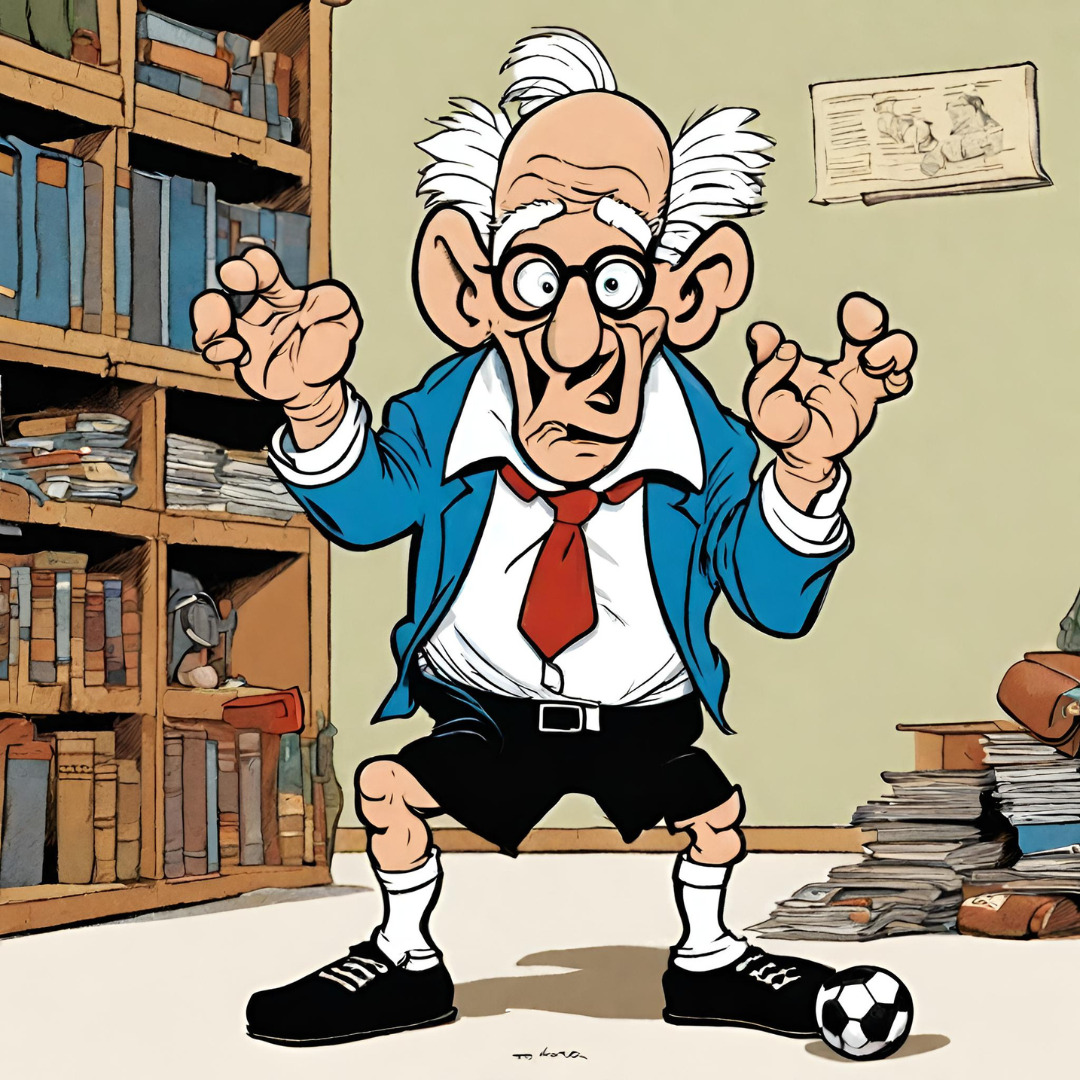
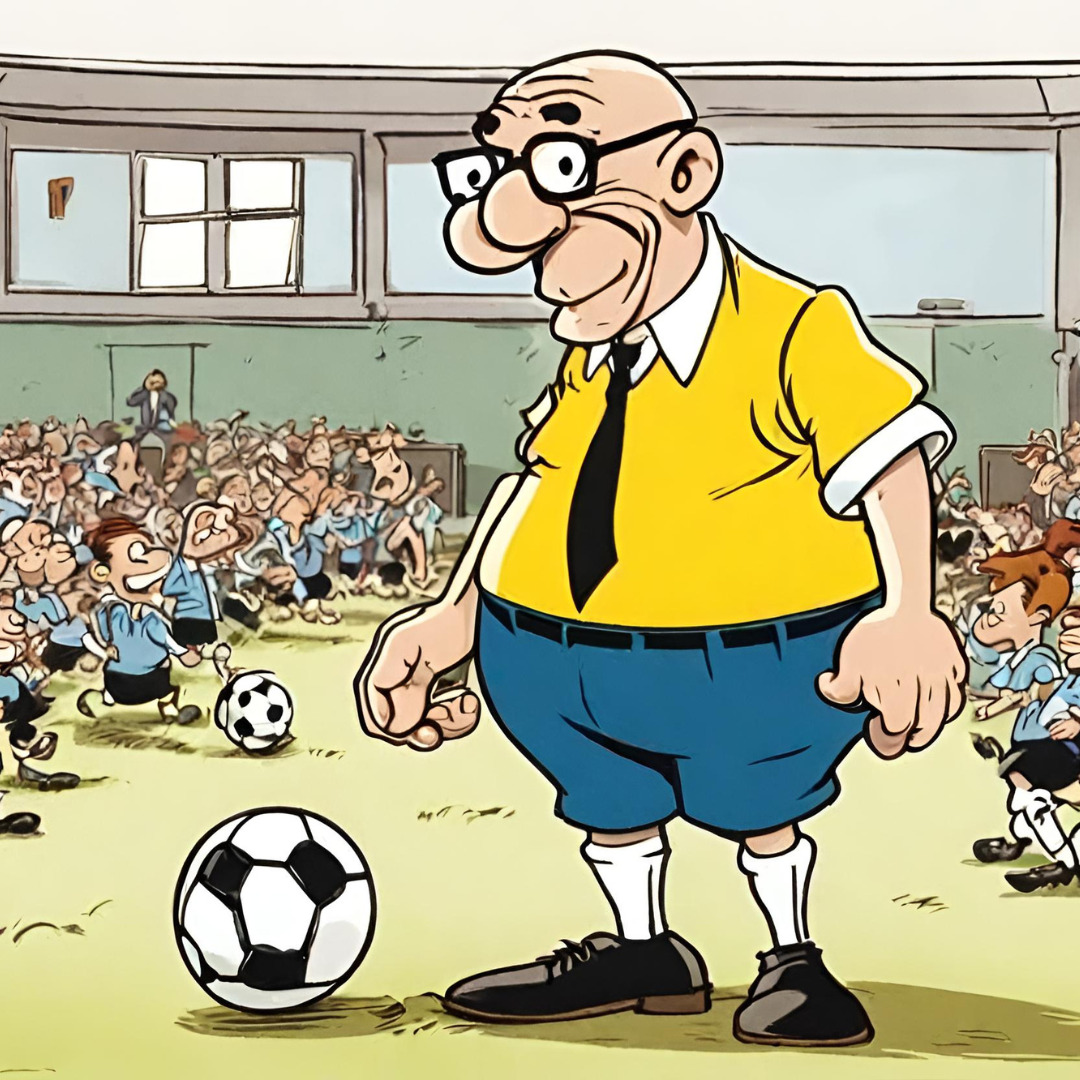
Just back from Christmas break, on January 2, the idea came up of incorporating the teaching of European soccer into the Spanish classes. The play came straight from the bold mind of Miss Jane, the physical education teacher, who must have seen me on occasion kicking around a pickup game of soccer with the girls and boys in the ‘gym’, and something must have started brewing right there. Maybe she imagined that back in Spain I had been an ace with the ball, or perhaps she thought: -let’s turn this one into a coach too-. Just a coach? Referee, goalkeeper, kit man, nurse, ball boy, cheerleader, psychologist. I’ve even had to suit up as a player when the teams come out odd-numbered, or when one of them starts losing in resounding fashion and, to spare them those crestfallen faces, I join their side playing ‘super Messi‘, the savior. Another of the superpowers a good teacher takes on: ‘instant transformation‘, an ability I didn’t mention in the previous post (see Kentukiana 6: Should I Stay or Should I Go Back?). This way, by adopting all these roles, I usually feel closer to a Mortadelo playing soccer than to a Filemón knocking the ball around.
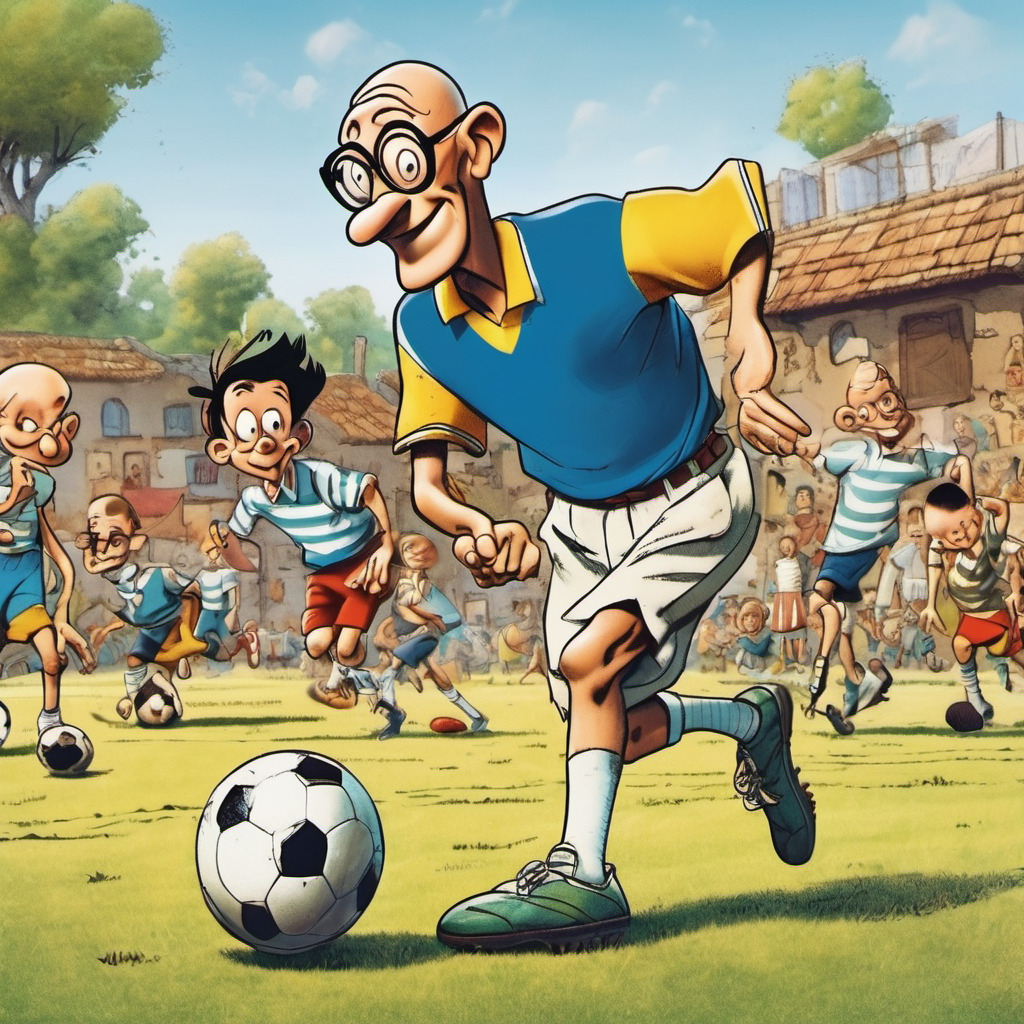
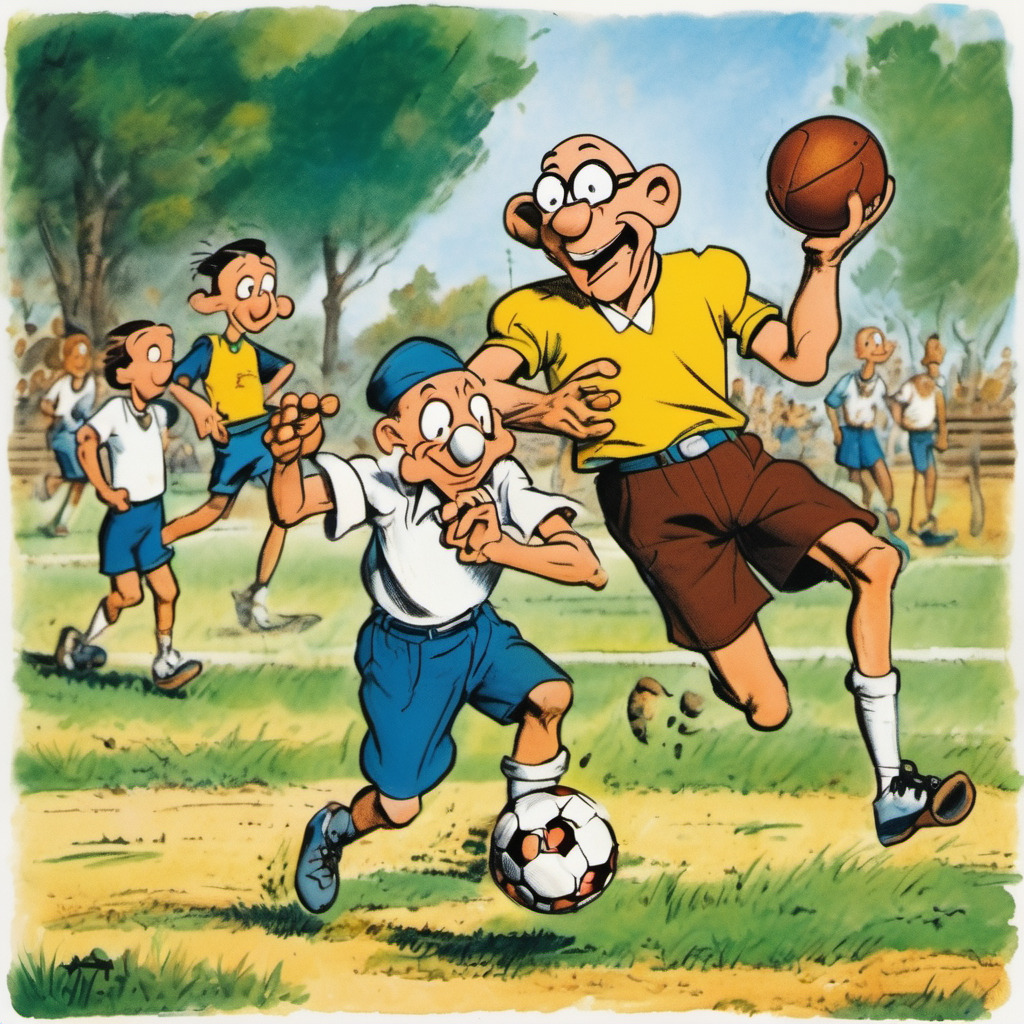
I usually feel closer to a Mortadelo playing soccer
than to a Filemón knocking the ball around.
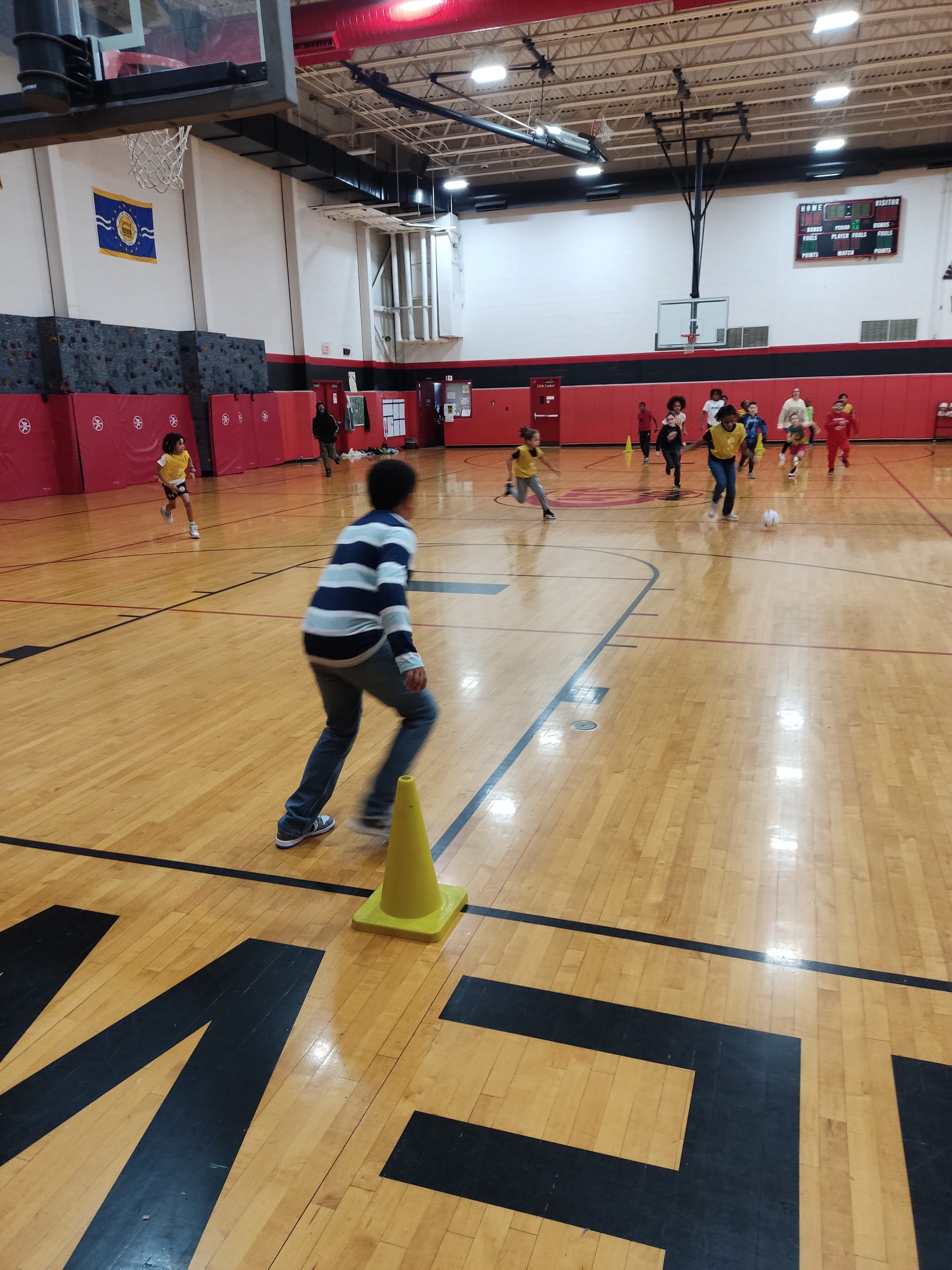
The truth is it turns into quite a spectacle to watch them run and play, going at the ball with headers, scissor kicks and boots that land in the air and sometimes, by ‘mistake’, on a classmate. It’s lovely to watch them dribble, shoot, score, make saves — and not just for how they do it, but for the innocence of their movements, for all the rules they invent, for their ways of taking throw-ins, which tend to be one-handed and in the style of the NFL (National Football League); or for how many times they forget you can’t intercept the ball with an arm or a hand. When that happens, they all look at me and shout –Handball! Handball!– Sometimes I choose to simplify and don’t even call certain handballs or out-of-bounds: –There is no out! There is no out!– I exclaim to them. –Continue! Continue!-. Mostly to give the game — and the kids — some agility and continuity, hoping they’ll at least wear themselves out a little. In fact, if I had to blow the whistle every time the leather crosses the sidelines, I’d already be half deaf and half bonkers. Because that’s another thing: I usually blow the whistle while covering my ears with both hands, since the little ‘sound’ that comes out of that devilish whistle — good grief — I wouldn’t have wished it even on the men of the Inquisition. That’s why I’d rather do that, or wear earplugs, than assault my treasured eardrums so gratuitously.
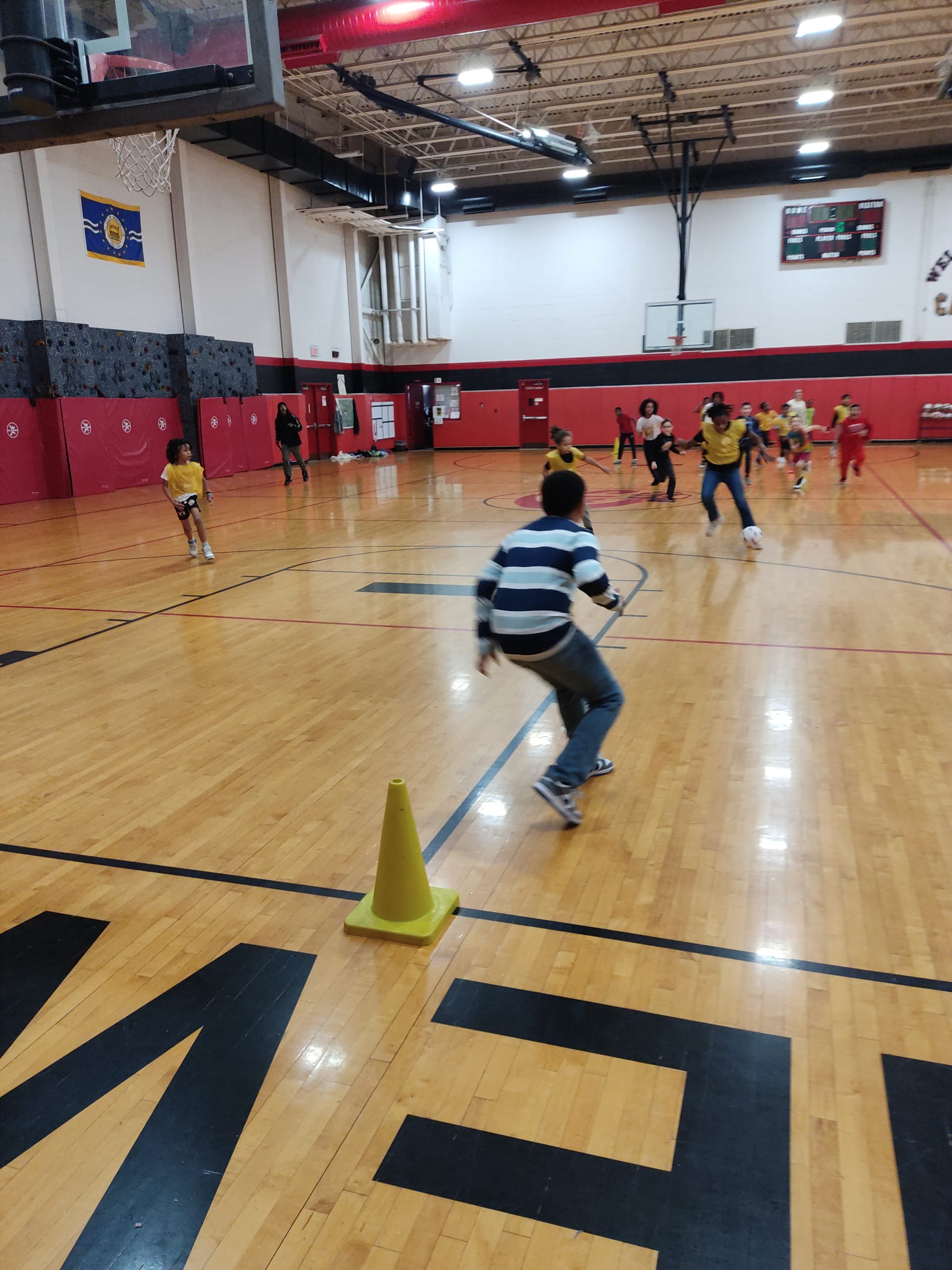
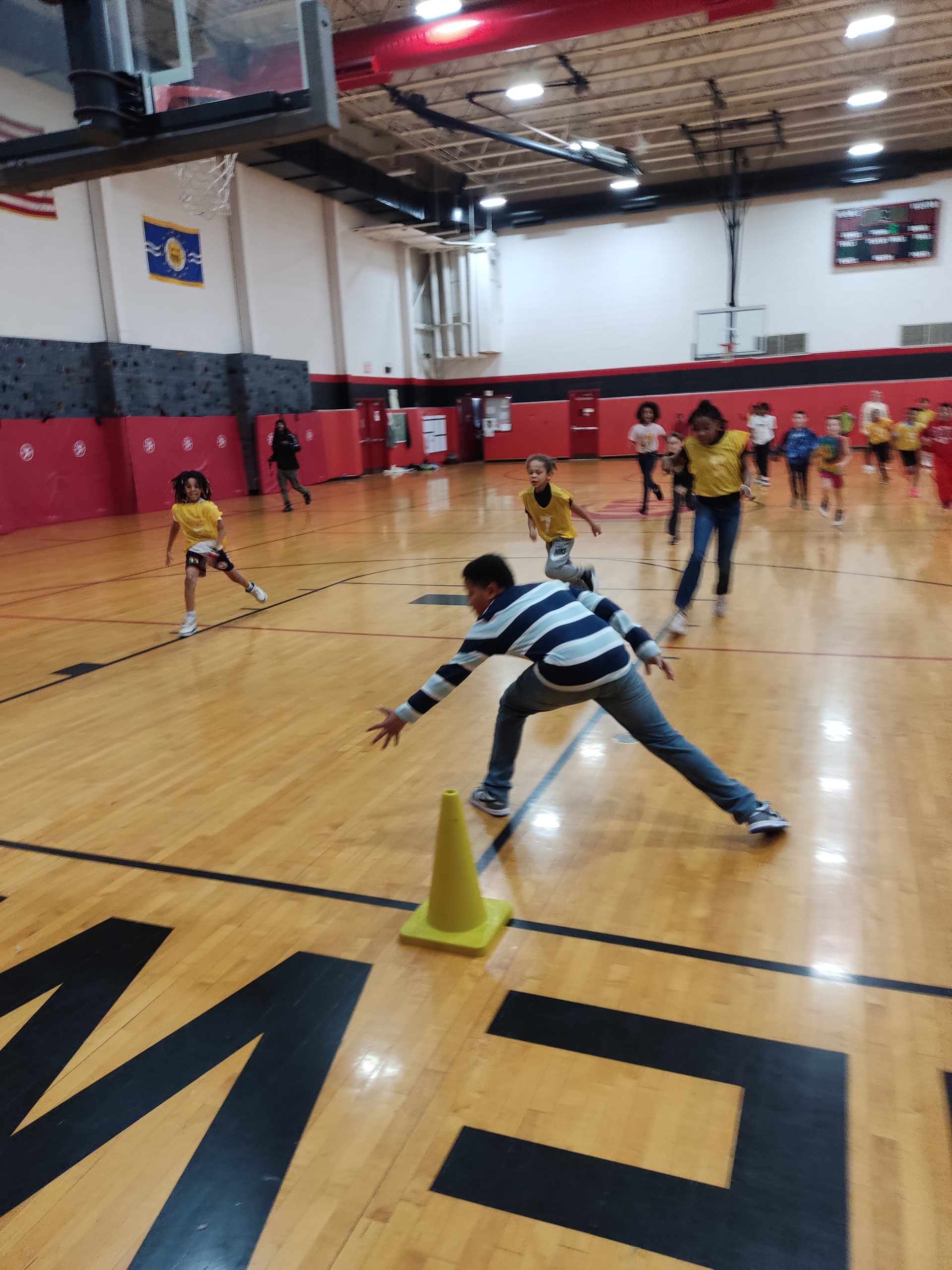
The idea of bringing soccer into the Spanish classes was put on the table during one of the weekly meetings held by us teachers of the subjects known as the ‘specials‘, that is, music, art, gym, library, and Spanish. Gatherings that go by the name of PLC (Professional Learning Communities), something like ‘communities where teachers learn their craft together‘. They are sessions of about 45 minutes, same as a class period, which the principal attends almost every time she can. The main objective is to work collaboratively among the teachers who make up the team and to reach consensus on the various agreements so that they always help improve both the students’ results and those of the teachers themselves. That is precisely what we’re after by alternating the hands-on soccer sessions with the Spanish classes, since above all they will serve to cement and reinforce those bonds that many of the students have yet to build either with me or with other students.
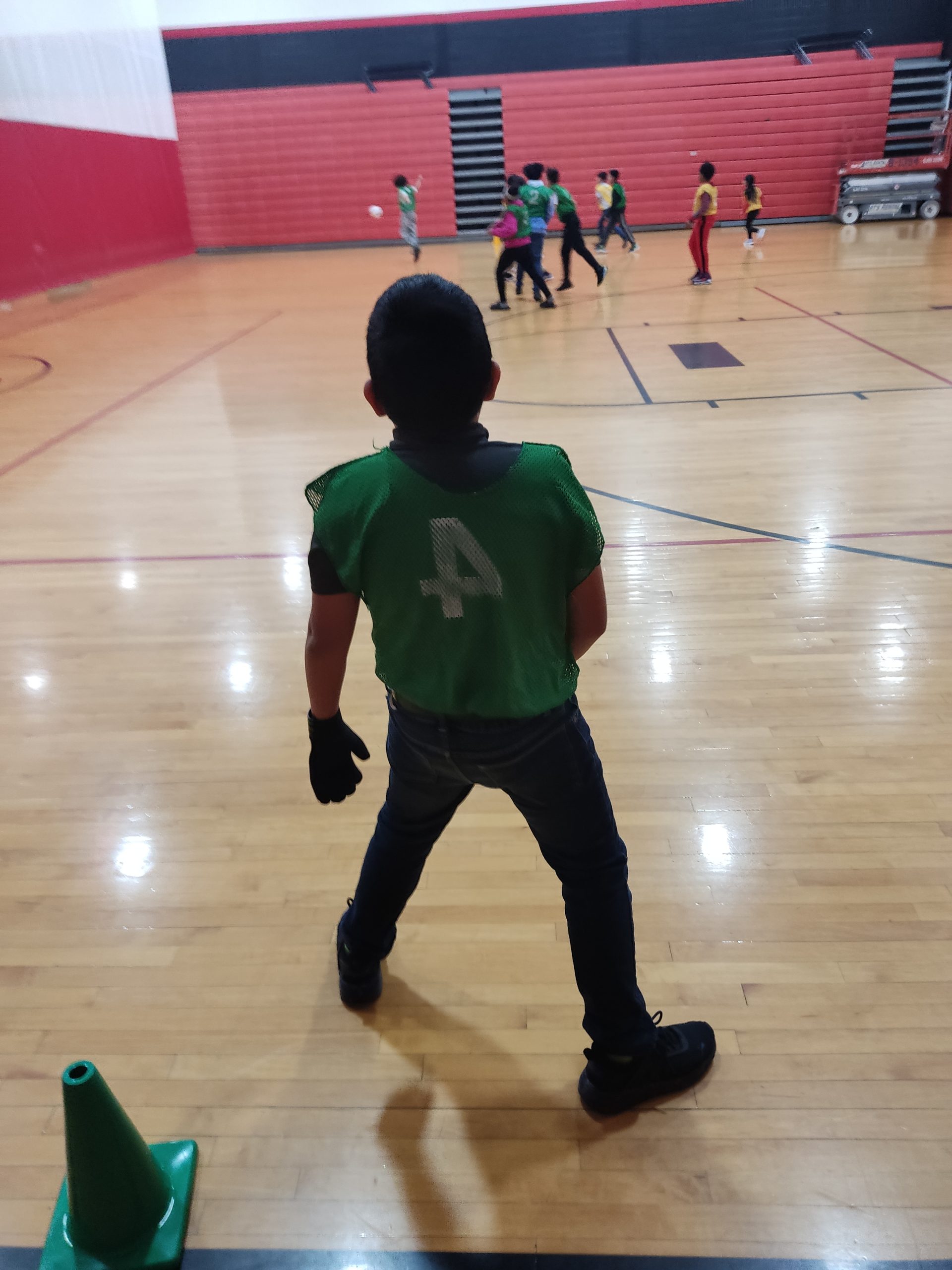
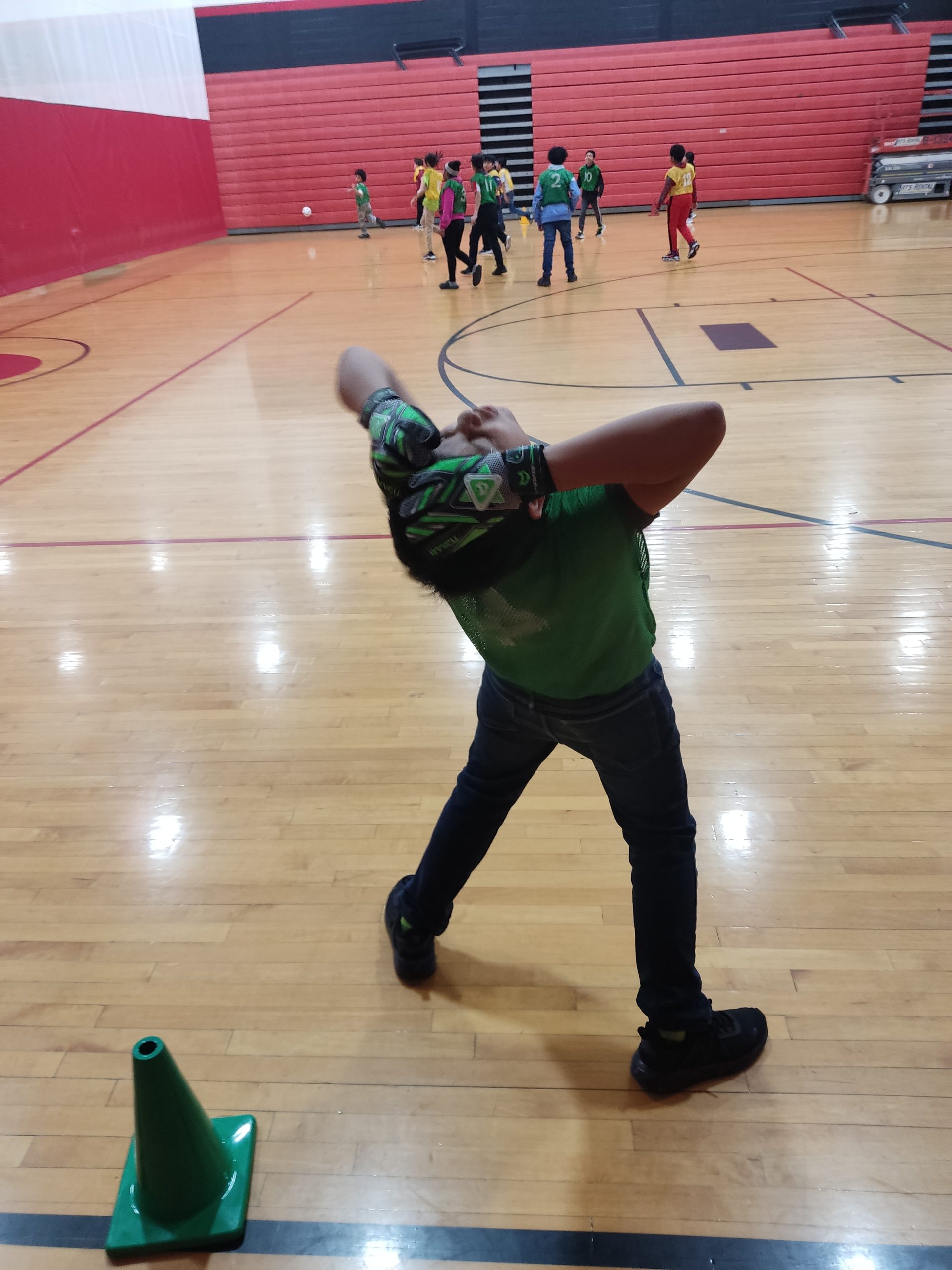
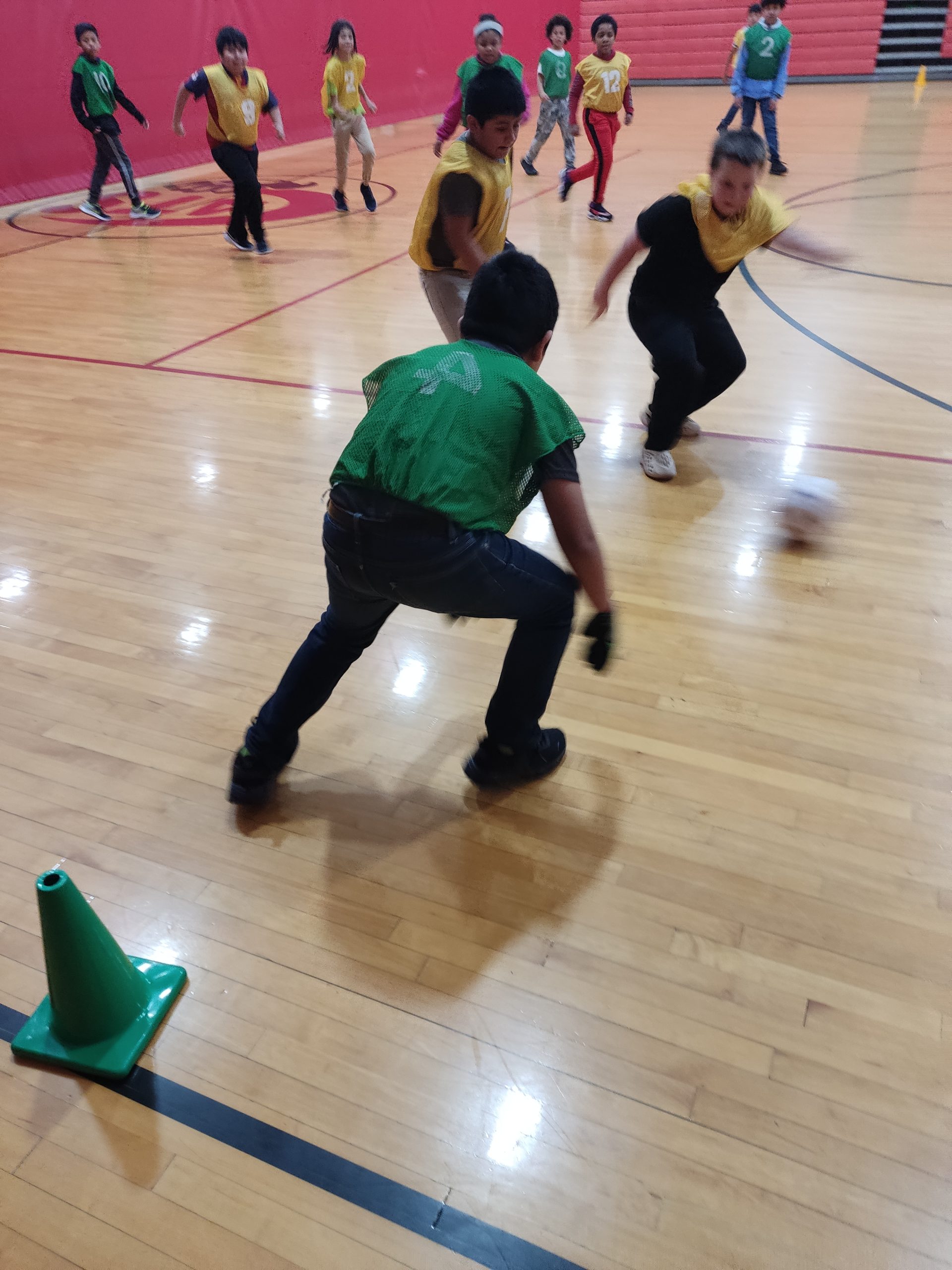
Keep very much in mind that this is the first time Spanish has ever been taught at this school, and I’m as new here as the subject itself. ‘A new spanish teacher in Newport‘, the movie could be called. So it’s no surprise that some students are reluctant about my classes. They don’t bother, or maybe they don’t yet have the level to understand that I left my whole life behind in Spain, covering more than 7,000 kilometers and their 9 hours on a plane, to come here and help them with everything a teacher can offer as an educator. The thing is, too, that most of them tend to have minds so precocious and immature that demanding any kind of reasoning from them is more than they can handle. But as educators we have to try. That is one of our objectives, and the one we owe ourselves to.
I left my whole life behind in Spain, covering more than 7,000 kilometers
and their 9 hours on a plane, to come here and help them with everything a teacher can offer as an educator.
In every group I always spot the typical ‘smiley faces‘, who may be that way because they like your class or because that friendliness comes factory-installed. Then there are the ones reluctant to walk into your class, the barely participative, the ones in constant motion: the ‘movers‘, as I call them; the absent-minded or more unmotivated, the ‘up set‘ ones disappointed with the world, the depressed ones because something has happened to the poor things, and then there are the ‘destroyers‘, the ones whose little smirk tells you, the moment you see it, that they’re going to make a scene. Still, are they too young to understand the importance of learning a second language? Is it because they have no study habits, no listening habits, and even less any learned sense of attention? Or is it me, who as a teacher should be able to bring in activities and methods so supremely motivating and eye-catching that the class just works? Maybe it’s a totum revolutum, and on top of that facing cognitive levels and levels of behavior as varied as a painter’s color chart.
Maybe it’s a totum revolutum, and on top of that facing cognitive levels
and levels of behavior as varied as a painter’s color chart.
Now let the system, the politicians, and everyone responsible for training future teachers tell me what good my two university degrees are, a master’s (‘of the Universe’, like He-Man’s), umpteen thousand hours of courses, when in all of them the ‘practical examples’ of actual teaching are conspicuous by their absence.
A teacher’s preparation could be nurtured and made far more concrete, enriched, renewed, so that out of that effort exquisite teaching professionals would then emerge: ‘soldiers of education‘. We need to invest more in education, but not just with money — with more energy, attitude and commitment from the entire educational community. Aren’t we teachers that cornerstone that both this world and its children so urgently need? And then they go around saying that education is one of the fundamental pillars of a society. Not even they believe it, since it’s plain to see that it isn’t supported and not nearly enough is done. Only the experience of daily classes will help us train ourselves in handling those countless situations that have almost never been given enough attention. You only run into them once the doors of a school swing open for you.
We need to invest more in education, but not just with money,
but with more energy, attitude and commitment from the entire educational community.
As of today I see certain university degrees, the civil-service teaching exams, and all the other ‘course-ologies‘ as mere collectors of content where words abound and what’s missing are the deeds, the conferences, the talks, and every kind of real practical case study that would help breed better teaching professionals. Don’t they require pilots to log some 1,500 hours of flight time? How many hours of practice do they require of us teachers to fly three, four or five classrooms a day — and successfully? Don’t we also need a minimum of school flight hours before diving into teaching? Don’t your children, our students, deserve it already? More hours of ‘practicum‘ and less ‘verbum‘ is what’s needed. Politicians, parents, teachers, the school community, and everyone else taking part in the process — I will never tire of repeating it: more involvement and less inaction.
More hours of ‘practicum‘ and less ‘verbum‘ is what’s needed.
So, by introducing Europe’s king of sports into a Kentucky school this way, not only do they learn to play it and further develop their mobility, but it can also mean a great improvement in their classroom behavior. Although it doesn’t work for everyone, far from it, it remains to be seen what will happen in the decisive final weeks ahead. In fact, it will be discussed in the upcoming posts on this blog. Now I see the point of sacrificing a few weeks of Spanish classes if it helps foster the development of their good conduct, though I keep alternating the theory classes with the soccer ones, since between bad weather and other events taking place in the gym, playing sometimes becomes impossible.
not only do they learn to play it and further exercise their mobility, but it can also mean a great improvement in their classroom behavior.
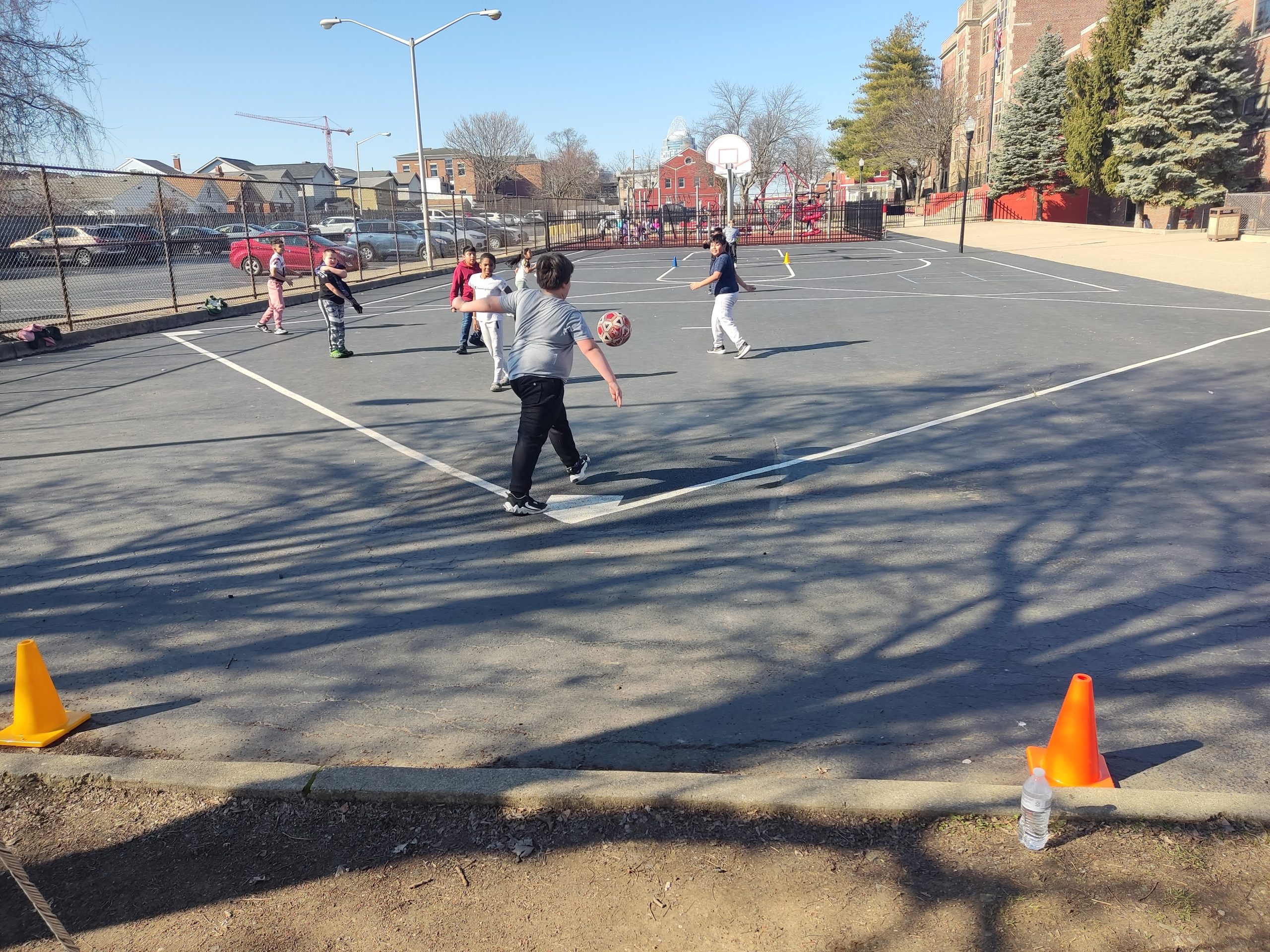
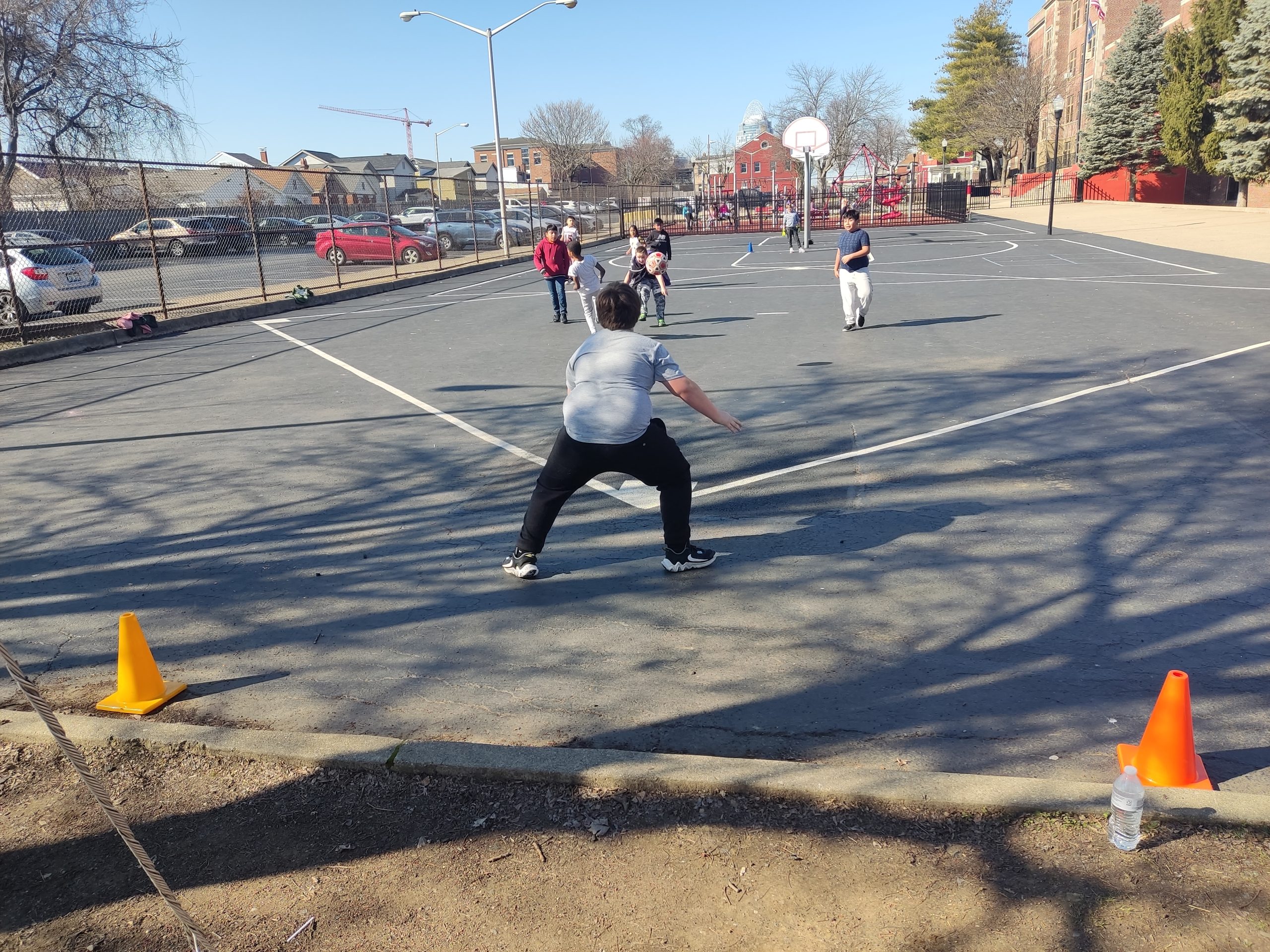
PLCs start from one basic premise: students learn more when teachers work together. This is fundamental. That’s why we began working on this idea from the very start of the year. The great project that will underpin it all, however, will be holding an Olympics with European football or ‘soccer‘ as the star sport. Seeing as I came from the old continent, I was the perfect ambassador for introducing this sport at the school. And so Miss Jane proposed we work together to promote enthusiasm for this sport and thus set off a carom of results toward my subject and those of my other colleagues. Jack, the art teacher, would take charge of crafting the trophies and medals, as well as the outfits or props for said Olympics. Nick, from music, would be in charge of giving the event its notes — pun fully intended. Finally, Ivy, the librarian, would also join in the outreach and organizing duties. We got the green light from the administration, and by the end of January the ball was already rolling around the gym.
students learn more when teachers work together.
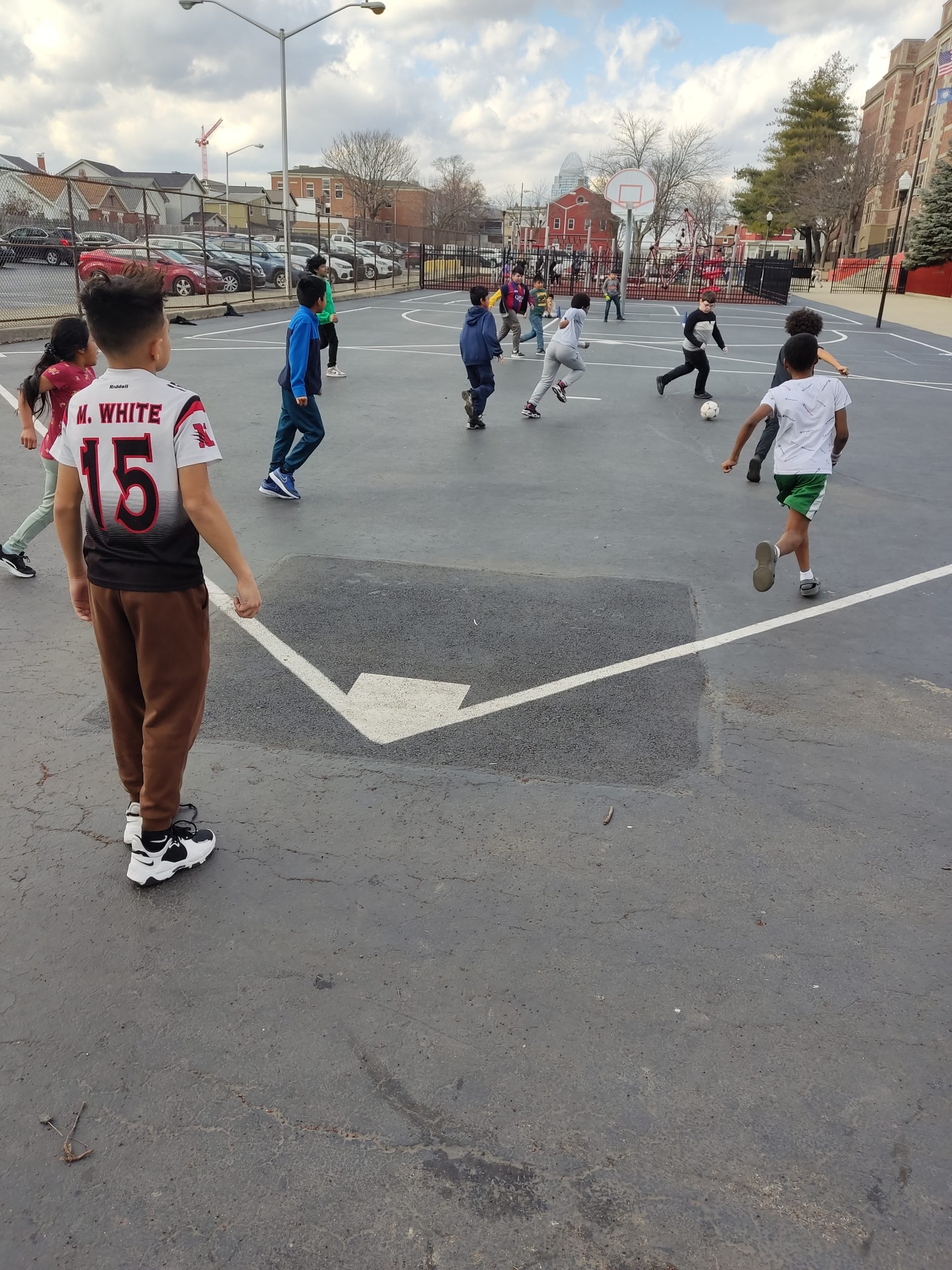
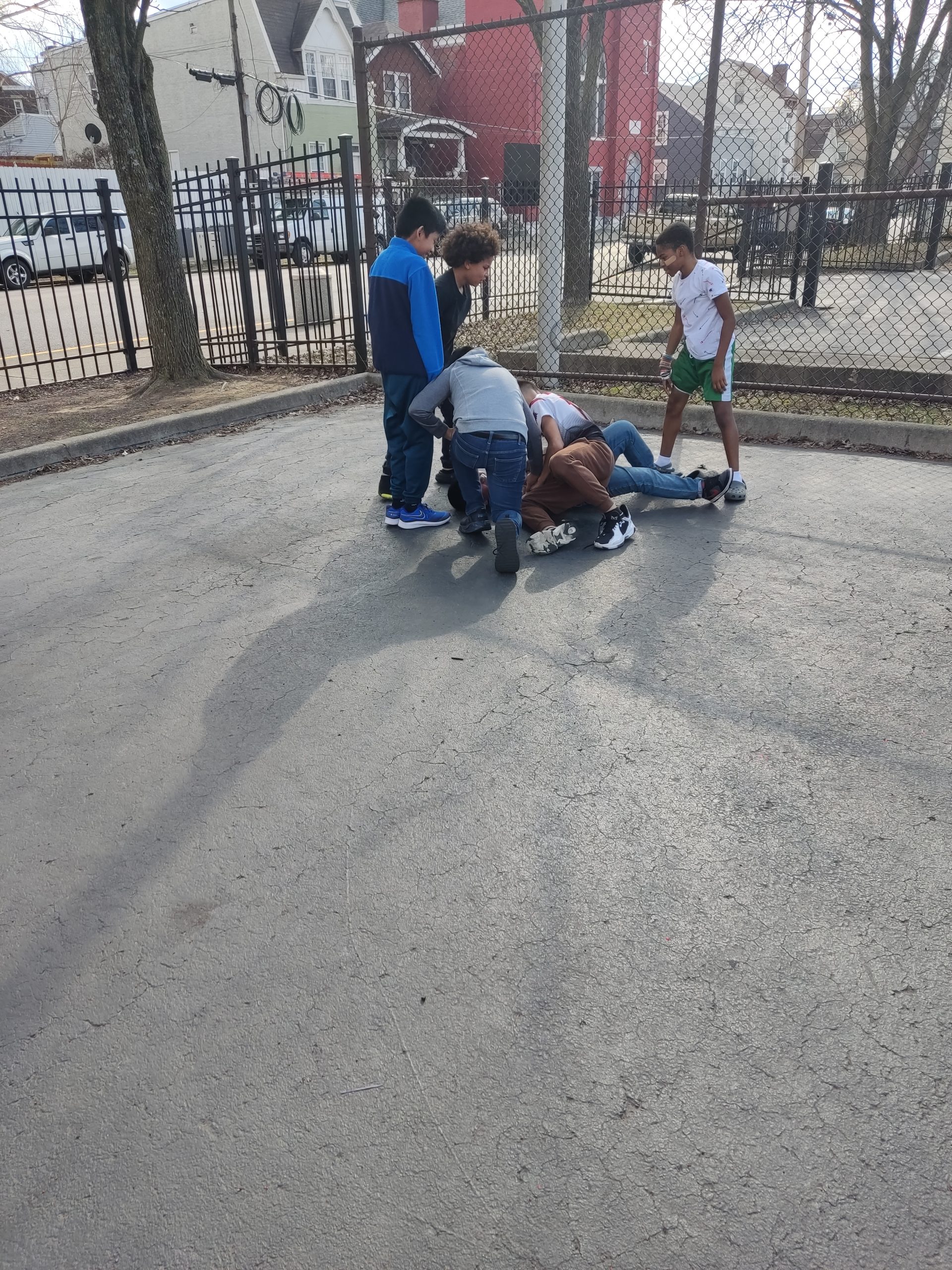
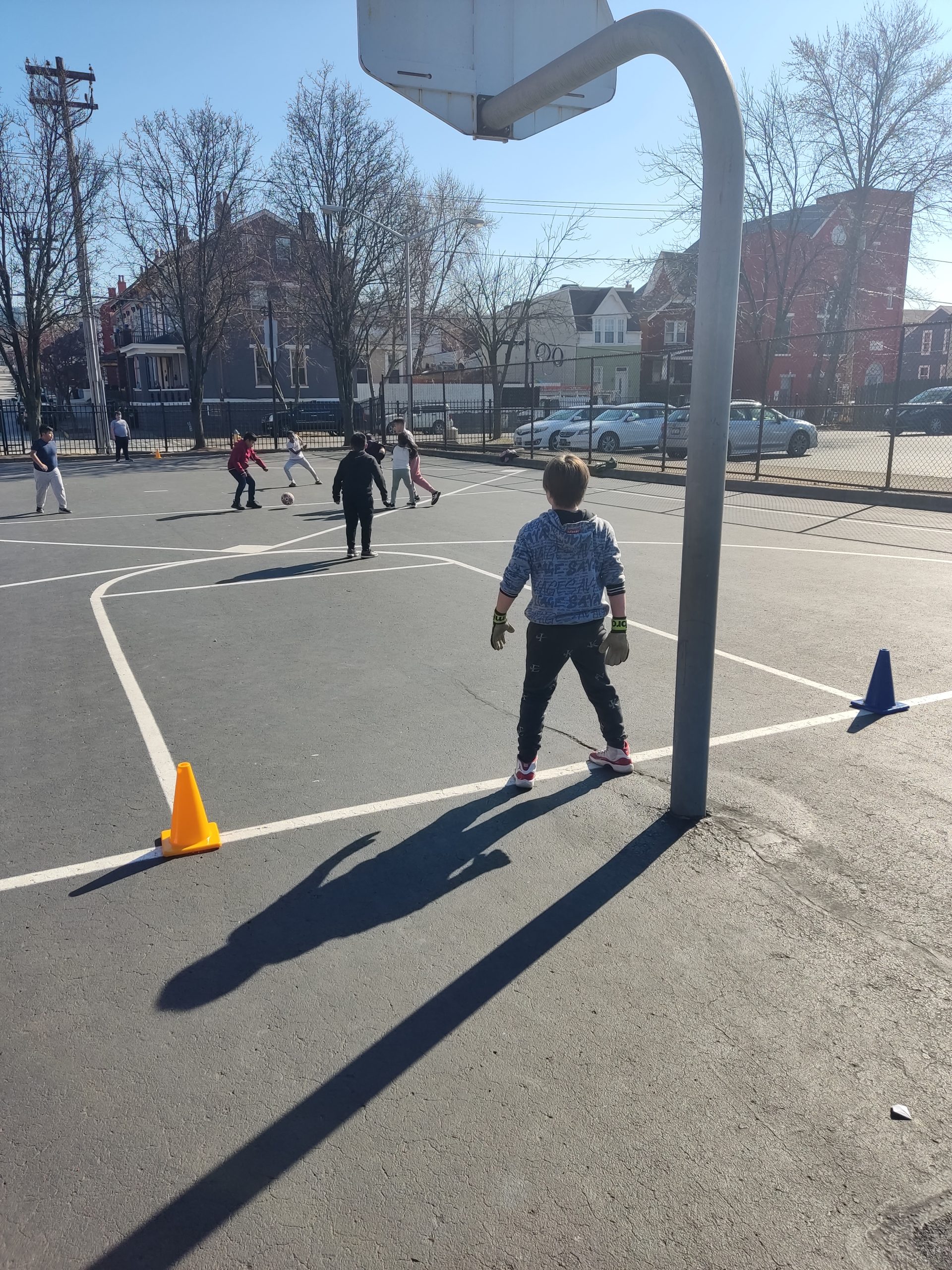
These Olympics will take place on March 13, 14, and 15, with the pre-Olympics the week before. While never letting up on the Spanish lessons, I did make sure, right there in the gym, that they learned and practiced certain terminology such as ‘mano‘ (handball); ‘falta‘ (foul); ‘fuera‘ (out): ‘pelota‘ or ‘balón‘ (ball); ‘penalti‘ (penalty or penal); ‘portero‘ (goalkeeper); ‘defensa‘ (defense); ‘delantero‘ (forward); ‘tarjeta amarilla‘ (yellow card), or ‘roja‘ (red card); ‘árbitro‘ (referee); ‘silbato‘ (whistle); as well as other more common expressions like ‘¡pasa!’ (pass!); ‘¡tira!’ (kick it!) and ‘¡gol!’ (goal). Of course, before I could teach them to belt out a goal like the legendary Jose María García, they first had to learn how to play it. What they do know down to the last detail, famous little hop included, is the celebrated goal celebration of CR7, Cristiano Ronaldo, and his ultra-famous –Siuuuuu!-, both arms stretched down and parallel, chest puffed out like a peacock’s. It amazed me to see how a simple gesture has spread to nearly every corner of the planet.
Although almost all the students already knew about ‘fútbol’ or soccer, until now very few dared to play it. Now it’s becoming a reality in which even the girls are getting into it — and very well, by the way — especially the Guatemalan students, who seem to carry a certain magic in their touch on the ball. About all this — the unfolding of the matches, the making of the teams, and plenty of other anecdotes — I will keep writing in future posts.
What’s needed, then, is a resounding change of mindset, and to start seeing in these kids an opportunity to work on values as key as motivation, integration, respect, attitude, perseverance, tolerance and play. Only then can we help them become more humanized beings, which is what this world truly needs.
we can help them become more humanized beings,
which is what this world truly needs.
“The problem,” in the words of the philosopher Umberto Eco, “is that politics and, to a great extent, the intelligentsia still have not grasped the scope of the phenomenon.”
Comments (22)
Virtu
Muy interesante lo que cuentas y estoy completamente de acuerdo contigo, es necesario enfrentarse al alumnado sabiendo de antemano cómo actuar. Y eso sólo puede aproximarse con unas buenas prácticas. Antiguamente, al estudiar Magisterio, contabas con dos años de formación y uno de prácticas. Poco tiempo después, cuando yo estudié, las prácticas se limitaron a un mes, en segundo, y otro mes, en tercero. Totalmente insuficientes. Bien es cierto que la práctica real te la va dando la experiencia, el trato directo con el alumnado, y el propio aprendizaje in situ. Gracias por hacernos partícipes de tu experiencia. Saludos.
Jorge Duro
No veo un interés claro en promover más y mejor esas prácticas. Incluso ahora es necesario, al acabar la carrera, realizar un master de miles de euros para acreditar tu formación. ¿Cuántas horas de práctica incluye ese máster? Recuerdo que a mí me toco hacer el CAP (Curso de Adaptación Pedagógica), un nuevo invento donde la práctica brilló por su ausencia, mientras que de teoría venga a gastar papel y libros. Pobres árboles.
Víctor Fernández
Muy interesante el planteamiento de formación práctica para los docentes, muy muy buena iniciativa con el deporte ya que como describes a la perfección sirve para crear vínculos entre alumnos y docentes. Haces un trabajo increíble al describir el día a día con ese aire tan agradable, simpático y reconfortante. ¡Bravo!
Jorge Duro
Me siento como un periodista retransmitiendo las jugadas más interesantes, nunca mejor dicho, jajaja. ¡Gracias Víctor!
Diego
Coincido totalmente contigo con lo poco práctica que es la formación a todos los niveles. En mi caso, como periodista, me tiré cuatro años de carrera y uno de máster. En todas las asignaturas se nos machacaba el esquema de la comunicación de Lasswell… Eso sí, después las clases en las que teníamos que escribir artículos de cualquier tipo se podían contar con los dedos de una mano. Del mismo modo que las veces que tocamos equipos de radio y de televisión fueron testimoniales. Y dices, ¿qué utilidad práctica tiene todo eso? ¿Voy a estar entrevistando a alguien y le voy a preguntar por el clásico modelo? Los planes de estudios de primaria, secundaria y universidad son un dramón. Parece que todo lo que sea tener una ciudadanía crítica y que pueda pensar por sí misma no interesa lo más mínimo. Ya a eso le unes el poco respeto que existe hacia la figura de los profesores, a los que están dejando vendidos… Y apaga y vámonos.
Patricia
Gracias Jorge, muy buena idea para enganchar a los alumnos a tu asignatura. Creo que la motivación es la clave, y desde el deporte seguro que lo conseguís. ¡Enhorabuena por tu trabajo! Ahora veo que Oliver y Benji nos sirvió para algo, aunque solo sea para aparentar que sabemos jugar, jejeeje. ¡¡Sigue disfrutando y compartiendo!! ¡Jane, Jorge, los magos del balón! ⚽️⚽️ ¡¡Enséñales la canción!!
Guillem
Molt bona iniciativa Jorge. He llegit estos dies alguna notícia sobre la preocupació que hi ha per a l'educació als USA. L'estress i burn-out continu del professorat que fa que molts es cerquen altres ocupacions. Es veu que estan obligats a realitzar proves setmanals i examen estatals que fa que sempre vagin amb la lléngua fora. Este vivint vosaltres aquesta situació en el teu centre? Salutacions i enhorabona per la teva tasca
Desi
¡Interesante la postura y la defensa del docente ante esta realidad que sufrimos todos! ¡Bravo por el artículo y por visualizar la realidad de la educación desde el punto de vista de las Administraciones! ¡Enhorabuena por la iniciativa de introducir el fútbol en la escuela americana! ¡Eres grande Jorge! ¡Gracias por tu esfuerzo!
Loreley
Fantástico, ya no tengo palabras para definir la gran experiencia y el ver las cosas como las estás viendo, como tendrían que ser y no son .
Jose luis
Fantàstica entrega, didàctica y entretenida. Y con más razón que un santo 🤗🤗.
BEEZ
Even with more than 55,000 hours of experience teaching all grade levels, including at the University, I continue to approach every day as if it was my first…not last…..Burnout is a fact that affects us all. We must balance the scales after each battle and remember our purpose. (Not easy) Jorge, your insights and your patience will pay off … the students are very fortunate to receive your integrated investment of instruction. Carry on soldier! Great changes take time …
Jorge Duro
¡Pero qué buenísima idea me has dado! Crear la esa canción será la monda, y ya si le hago un montaje de video con las caras de Jane y la mía en los cuerpos de Oliver y Benji será la 'remonda'. Nunca había hecho de entrenador, pero mira, para estos niveles tan básicos solo hay que creérselo y fluir. Los chicos hasta me preguntan en qué equipo juego XDD. Gracias por tus palabras e IDEAS. ¡Quiero más como esa! jajaja.
Jorge Duro
Te cito textualmente lo que dice Umberto Eco «El problema es que la política y en gran parte la intelligentsia todavía no han comprendido el alcance del fenómeno» (Fragmento extraído de su libro De la estupidez a la locura. Crónicas para el futuro que nos espera).
Jorge Duro
Te respondo y traduzco: RESPOSTA: Al meu centre no tenim tanta pressió però perquè és una Elementary School. No obstant això, als instituts o Highschool la pressió si és molt més gran. Un dels grans reptes que veig aquí és el mal comportament de molts alumnes. Els nens són de vegades cruels per naturalesa, ja que no tenen desenvolupada la capacitat de reflexió i menys d'empatia. Amb això hem de bregar cada dia. Aquesta mateixa setmana una professora es donava de baixa per depressió i el sistema educatiu què fa. Trucar a un substitut? Potser ens hem convertit en un mercat on l'important són els diners i els resultats acadèmics? On ha quedat la humanització de l'humà? Veig gran desinterès per part de les altes esferes en això de l'educació i t'ho diu un que està cada dia veient girar els mateixos engranatges d'aquesta gran maquinària, que ja gairebé és màquina, anomenada "educació". TRADUCCIÓN: GUILEM. Muy buena iniciativa Jorge. He leído estos días alguna noticia sobre la preocupación que existe para la educación en USA. El estrés y burn-out continuo del profesorado que hace que muchos se busquen otras ocupaciones. Se ve que están obligados a realizar pruebas semanales y examen estatales que hace que siempre vayan con la lengua fuera. ¿Está viviendo vosotros esta situación en tu centro? Saludos y enhorabuena por tu labor. RESPUESTA: En mi centro no tenemos tanta presión pero porque es una Elementary School. Sin embargo, en los institutos o Highschool la presión si es muy mayor. Uno de los grandes retos que veo aquí es el mal comportamiento de muchos alumnos. Los niños son a veces crueles por naturaleza pues no tienen desarrollada la capacidad de reflexión y menos de empatía. Con eso hemos de lidiar cada día. Esta misma semana una profesora se daba de baja por depresión, y el sistema educativo qué hace. ¿Llamar a un sustituto? ¿Acaso nos hemos convertido en un mercado donde lo importante es el dinero y los resultados académicos? ¿Dónde ha quedado la humanización del humano? Veo gran desinterés por parte de las altas esferas en esto de la educación y te lo dice uno que está en cada día viendo girar los mismísimos engranajes de esta gran máquinaria, que ya casi es máquina, llamada «educación».
Jorge Duro
Es la postura que siento y padezco diariamente desde todos los centros en los que he trabajado, españoles y ahora americanos. Debemos pasar de la palabra a los hechos. Te digo que a nivel de centro se hace intenta hacer MUCHO más que desde las despachos de los altos dirigentes. Falta COMPROMISO. Nos falta EDUCACIÓN.
Jorge Duro
Solo intento poner mi grano de arena, pero hacen falta muchísimos más para formar una gran cordillera.
Jorge Duro
Respondo y traduzco: ANSWER: One of the big keys is to take each day as if it were the first, well said BEEZ. However, we must be alert daily and remember it because we easily forget it and faint. «Balancing the scales», I will put it on my bathroom mirror to read it every morning when I see my face XD. We will continue along the path we have taken, and if we fall in combat, we will rise again as a soldier… TRADUCIÓN: BEEZ: Incluso con más de 55.000 horas de experiencia enseñando en todos los niveles, incluso en la Universidad, sigo abordando cada día como si fuera el primero… no el último… El agotamiento es un hecho que nos afecta a todos. Debemos equilibrar la balanza después de cada batalla y recordar nuestro propósito. (No es fácil) Jorge, tus conocimientos y tu paciencia darán sus frutos… los estudiantes son muy afortunados de recibir tu inversión integrada en instrucción. ¡Continúa soldado! Los grandes cambios toman tiempo… RESPUESTA: Una de las grandes claves es tomar cada día como si fuera el primero, bien dicho BEEZ. Sin embargo, debemos estar diariamente alerta y recordarlo pues fácilemente lo olvidamos y desfallecemos. «Equilibrar la balanza«, me lo pondré en el espejo de mi cuarto de baño para leerlo cada mañana cuando me vea la cara XD. Continuaremos por la senda tomada, y si caemos en combate, nos levantaremos de nuevo soldado…
Alda
Hola amigo, leí algunos comentarios y me ayuda a entender las diferencias de un país a otro. Cuando era profesora en una escuela pobre, los estudiantes me preguntaban por qué debían estudiar inglés. Sólo querían saber leer y hacer matemáticas. Más tarde, como director de una escuela grande, incluso enfrenté amenazas de muerte por parte de la lucha contra las drogas en la escuela. Ese enfrentamiento no debe darse ni con los profesores, ni con los directores, sino con los policías y esa lógica no existe aquí en Brasil. Felicito tu mente abierta y tu valentía para ser docente a pesar de todo. ¡Abrazo!
Jorge Duro
Muy interesante conocer la opinión de una profesora y directora de Brasil. Gracias ante todo por tu comentario, y tienes razón, los profesores no deberíamos ejercer de policías, ni es nuestro rol ni para lo que hemos sido formados. Más bien debemos ser EDUCADORES, aunque eso conlleve tantos otros roles. Otro abrazo.
Jorge Duro
🙏 ¡Aaaaaaaamén! 🙏
Enrique
No puedo decir nada que no hayan dicho en los comentarios ya. Muy buena iniciativa y ánimos. Tú puedes con ello y más. Siempre fuerte amigo.
Jorge Duro
Gracias Enrique, tus palabras me sirven de aliento y tesón para continuar la marcha. Siempre fuerte amigo.